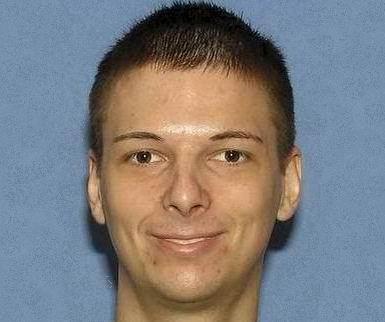
Forensic & Criminological Matrix
| Parameter | Forensic Detail |
|---|---|
| Forensic Heading / Aliases | null |
| Legal Identity | Steven Phillip Kazmierczak |
| Confirmed Victims | 5 |
| Attributed / Indicted Victims | 5 |
| Active Timeline | February 14, 2008 |
| Jurisdiction / Area of Operations | DeKalb, Illinois, United States |
| Criminological Classification | Mass Murderer |
| Forensic Modus Operandi | Active shooter in an academic setting |
| Weapon / Mechanism of Death | Remington 12ga shotgun, Glock 19, SIG Sauer P232, Hi-Point CF380 |
| Motive / Behavioral Dynamics | Unknown / Possible psychiatric decompensation |
| Judicial Outcome | Perpetrator suicide at the scene |
1. Background and Profile
Steven Phillip Kazmierczak was born on August 26, 1980. He had a history of mental health treatment during his youth. Despite this, he was a high-achieving student, graduating from Northern Illinois University (NIU) in 2006. He briefly served in the U.S. Army in 2001 but was discharged for failing to disclose his psychiatric history. At the time of the shooting, he was a graduate student at the University of Illinois at Urbana-Champaign.
2. Crime Spree
On February 14, 2008, at 3:05 PM, Kazmierczak entered Cole Hall at NIU armed with a shotgun and three handguns. He opened fire on a geology class of approximately 140 students. He fired roughly 50 rounds before taking his own life as police arrived.
3. Investigation and Forensic Hunt
Police arrived within minutes of the first 911 call. They discovered the perpetrator dead on the stage. Forensic evidence indicated he had recently stopped taking prescribed psychiatric medication, which likely contributed to his erratic behavior in the weeks leading up to the massacre.
4. Legal Proceedings and Outcome
As the perpetrator committed suicide at the scene, no criminal trial occurred. The case was officially closed following the investigation into the weapon purchases and the perpetrator's mental health history.
5. Psychiatric Assessment and Aftermath
No suicide note was recovered. The tragedy led to significant changes in campus security protocols and the eventual renovation of Cole Hall into a memorial site.