



Forensic & Criminological Matrix
| Parameter | Forensic Detail |
|---|---|
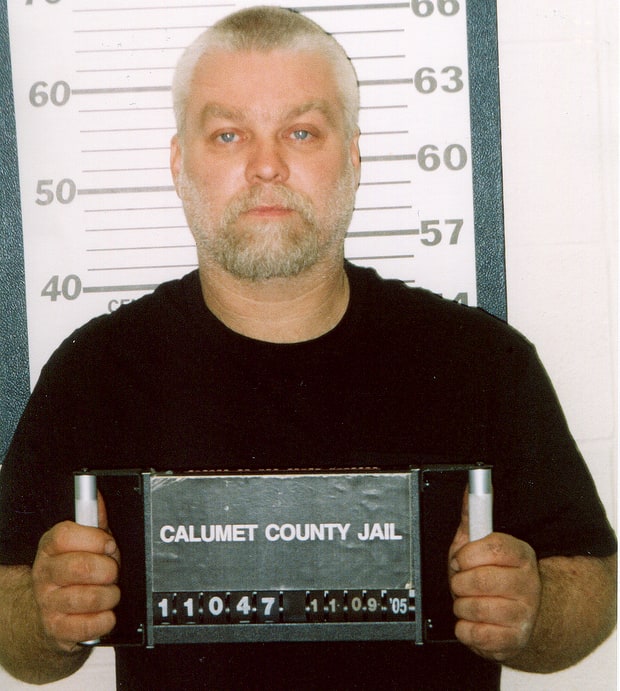
| Full Legal Name | Steven Allan Avery |
| Cultural & Legal Moniker | The Subject of Making a Murderer |
| Nationality | United States |
| Date of Birth | July 9, 1962, Manitowoc County, Wisconsin |
| Current Penal Status | Incarcerated serving life imprisonment without the possibility of parole; held at Fox Lake Correctional Institution, Wisconsin |
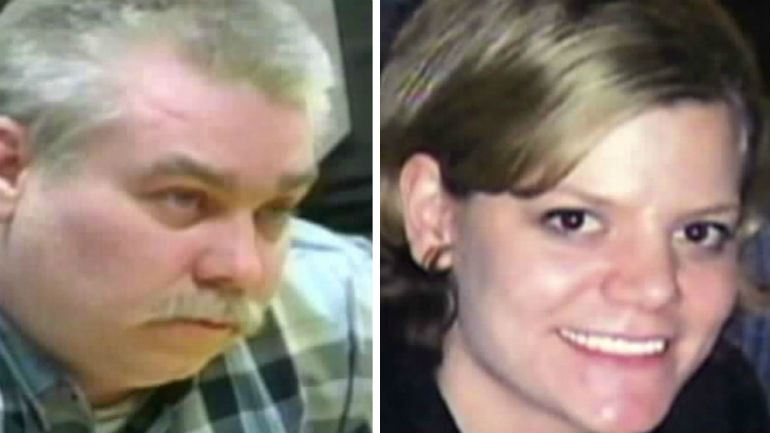
| Homicide Victim | Teresa Marie Halbach (aged 25), freelance photographer for Auto Trader magazine |
| Date of Disappearance & Crime | October 31, 2005 |
| Crime Scene | Avery Auto Salvage salvage yard and residence, Two Rivers, Manitowoc County, Wisconsin |
| Physical Forensic Evidence | Avery’s blood and touch DNA inside and on victim’s Toyota RAV4; calcined cranial and bone fragments recovered in backyard burn pit; .22 LR spent bullet bearing victim’s DNA in garage; vehicle ignition sub-key recovered in Avery's bedroom |
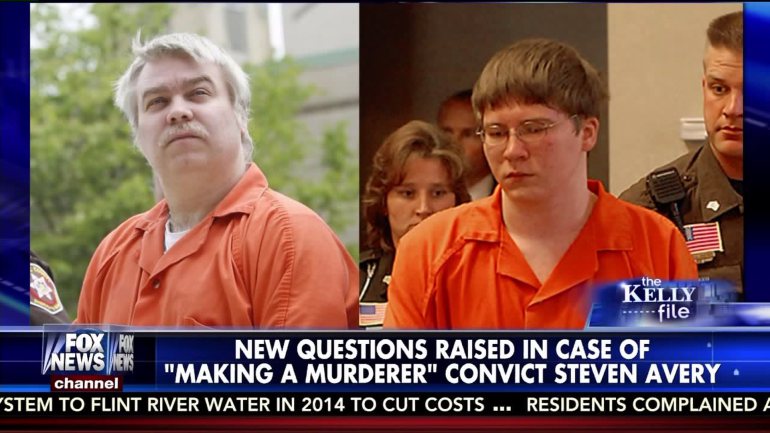
| Co-Defendant | Brendan Dassey (16-year-old nephew, convicted of homicide and sexual assault following controversial videotaped confessions) |
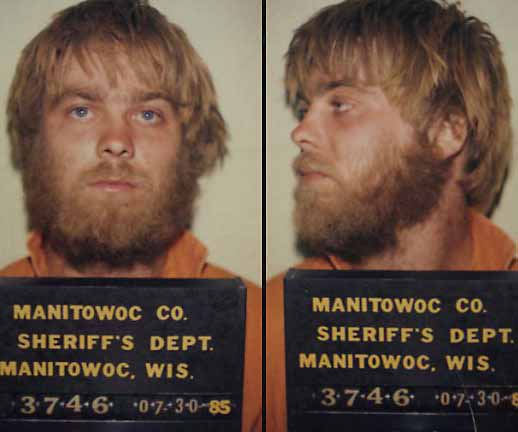
| Prior Landmark Exoneration | Exonerated in 2003 via DNA after serving 18 wrongful years in prison for a 1985 sexual assault |
| Criminological Significance | Global focal point for forensic debates concerning evidence contamination, police framing/planting allegations, and confirmation bias, popularized in the Netflix docuseries Making a Murderer |
The First Wrongful Conviction (1985–2003)
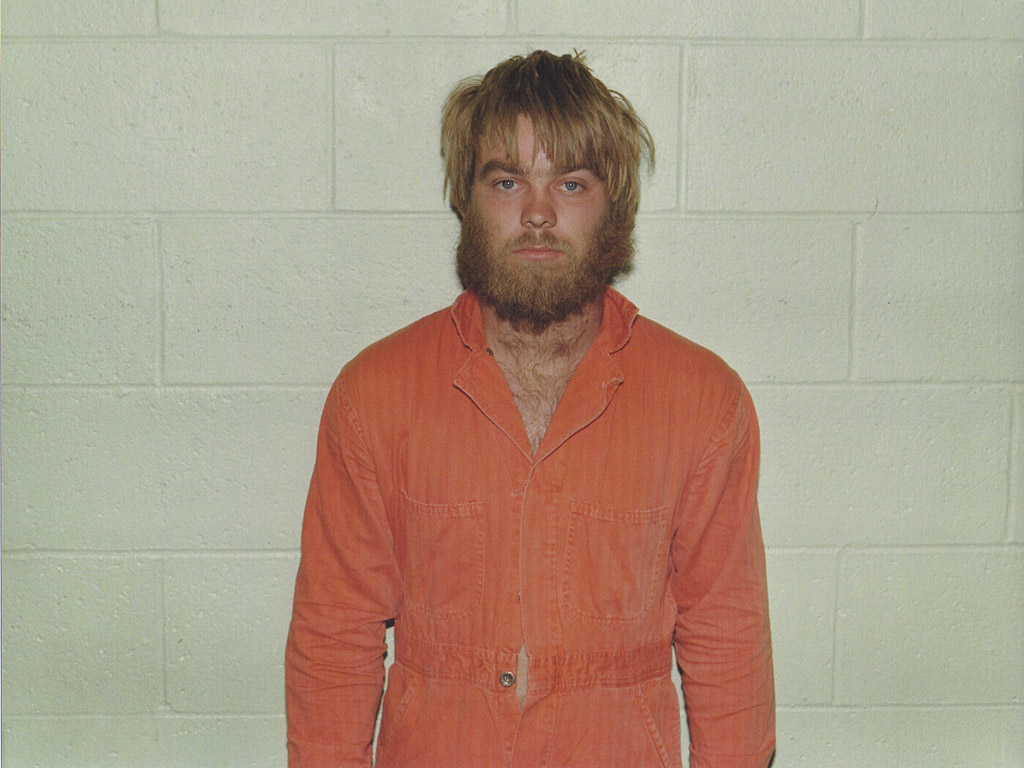
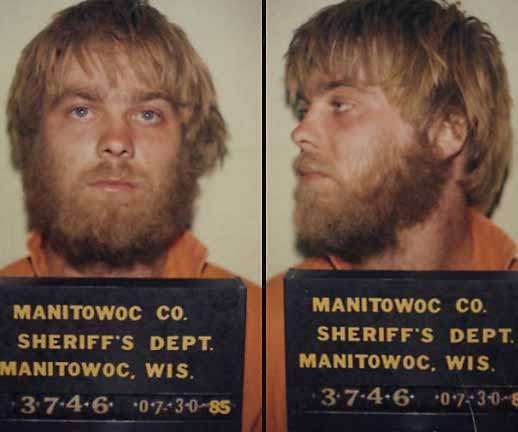
The legal history of Steven Avery is among the most polarizing in modern American jurisprudence. In July 1985, Manitowoc resident Penny Beerntsen was brutally sexually assaulted along the shores of Lake Michigan. Despite possessing an alibi corroborated by sixteen witnesses, Manitowoc County Sheriff's detectives focused single-mindedly on Avery. Convicted at trial, he was sentenced to 32 years in state prison.
In 2001, the Wisconsin Innocence Project secured court orders for advanced STR DNA testing on preserved evidentiary hairs. The results proved conclusive: Avery was entirely excluded, and the DNA profile matched Gregory Allen, an unapprehended serial rapist known to local authorities.
On September 11, 2003, having served eighteen wrongful years, Avery was released. He filed a $36 million federal civil rights lawsuit against Manitowoc County, former Sheriff Tom Kocourek, and former District Attorney Denis Vogel, alleging deliberate malicious prosecution.
The Disappearance of Teresa Halbach
On October 31, 2005—just as county officials were undergoing depositions in the civil lawsuit—25-year-old freelance photographer Teresa Halbach visited Avery Auto Salvage to photograph a Pontiac minivan for Auto Trader magazine. She was never seen alive again.
On November 3, her family reported her missing. Acknowledging the conflict of interest stemming from the $36 million lawsuit, Calumet County authorities were designated to lead the probe. Nevertheless, Manitowoc County Sheriff's personnel actively participated in searches across the property.
Discovery of Forensic Artifacts
Over eight days of yard searches, detectives recovered key physical evidence:
- The Toyota RAV4: Located on November 5 disguised beneath tree limbs and car hoods on the salvage lot. Wisconsin State Crime Lab analysts identified six bloodstains inside matching Steven Avery's DNA profile.
- Cranial and Skeletal Remains: Sifted from a burn pit behind Avery's trailer, anthropologists recovered heavily calcined human bone fragments and teeth, along with burnt clothing rivets. Mitochondrial DNA testing confirmed the remains as Teresa Halbach’s.
- The RAV4 Ignition Key: Recovered from Avery’s bedroom floor by Manitowoc County deputies James Lenk and Andrew Colborn—both deposed in Avery's civil suit—after multiple preceding searches of the room had failed to detect it.
- The Garage Bullet: Months later, a flattened .22 LR lead bullet was discovered under a compressor in Avery’s garage, which state crime lab ballistics tied to Avery’s seized rifle and matched to Halbach’s DNA.
Brendan Dassey's Interrogation
In March 2006, prosecutors brought forward Avery’s 16-year-old nephew, Brendan Dassey, who possessed an IQ of 70.
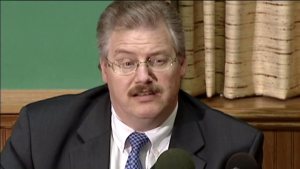
Interrogated across four sessions without an attorney or guardian present, investigators utilized suggestive Reid-technique questioning. Special Prosecutor Ken Kratz hosted a live televised press conference detailing a graphic narrative: Dassey and Avery had allegedly shackled, assaulted, stabbed, and shot Halbach inside the trailer and garage before burning her body.
However, subsequent forensic testing failed to recover a single drop of Halbach’s blood, DNA, or hair anywhere inside Avery's bedroom or on the mattress, contradicting the confession's claims.
Trials and Global Resonance
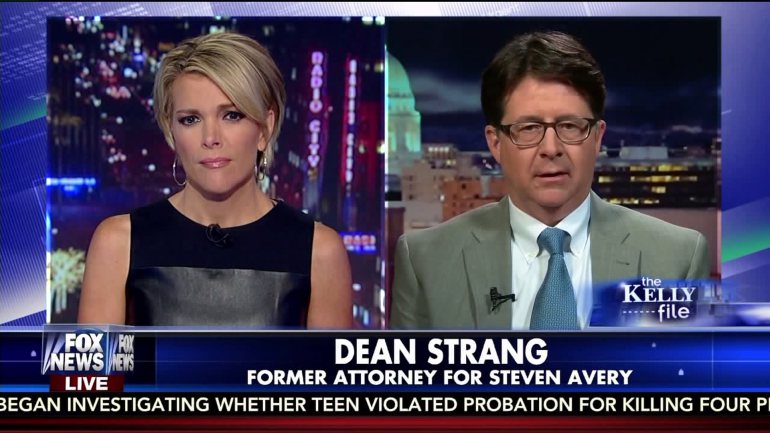
Avery stood trial in 2007, represented by defense barristers Dean Strang and Jerome Buting. The defense asserted a police conspiracy to frame Avery in order to halt the $36 million lawsuit, arguing that officers accessed an unsealed 1985 blood vial to plant blood inside the RAV4 and placed the key in the trailer.
On March 18, 2007, the jury convicted Steven Avery of first-degree intentional homicide and felon in possession of a firearm, acquitting him of mutilating a corpse. He was sentenced to life imprisonment without parole. Brendan Dassey was separately convicted in a subsequent trial.
In December 2015, the Netflix docuseries Making a Murderer brought the case to international prominence, sparking millions of petition signatures.
Renowned post-conviction attorney Kathleen Zellner assumed Avery’s defense in 2016, presenting micro-spectrometric blood analysis, cell-tower triangulations, and alternative-suspect motions. While Wisconsin state courts have repeatedly denied evidentiary hearings, the Avery proceedings remain an enduring touchstone regarding prosecutorial ethics and forensic integrity.