



Forensic & Criminological Matrix
| Parameter | Forensic Detail |
|---|---|
| Forensic Heading / Aliases | None |
| Legal Identity | Jonathan Wesley Stephenson |
| Confirmed Victims | 1 |
| Attributed / Indicted Victims | 1 |
| Active Timeline | December 1989 |
| Jurisdiction / Area of Operations | Cocke County, Tennessee, USA |
| Criminological Classification | Contract killer (mastermind) |
| Forensic Modus Operandi | Ambush and execution with high-powered firearm |
| Weapon / Mechanism of Death | High-powered rifle |
| Motive / Behavioral Dynamics | Financial gain and personal concealment (avoiding divorce) |
| Judicial Outcome | Death sentence (upheld in 2006) |
1. Background and Profile
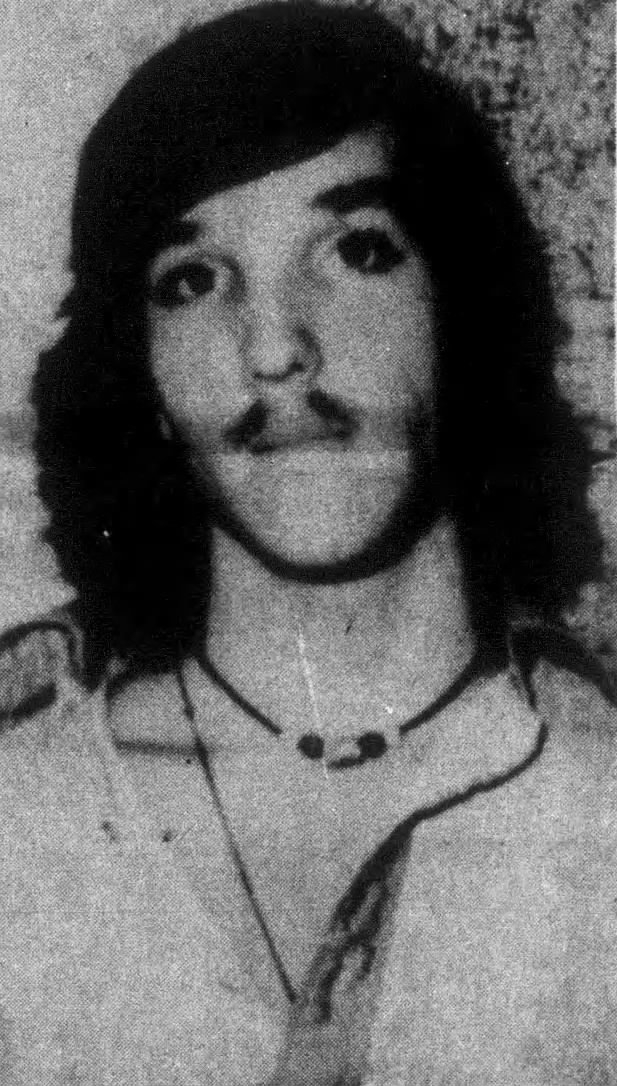
Jonathan Wesley Stephenson (born June 22, 1963) was a truck driver from Tennessee. His criminal profile is characterized by cold, calculated planning aimed at eliminating his wife, Lisa Stephenson. His primary motives were the fear of losing his assets in a divorce and the desire to conceal his marital status from his girlfriend.
2. Crime Spree
On December 4, 1989, Lisa Stephenson was found dead in her vehicle in a remote area of Cocke County. She had been shot in the forehead at close range with a high-powered rifle. Evidence presented at trial showed that Stephenson had actively sought a hitman for weeks, offering various incentives including cash, a boat, and a truck. He eventually succeeded in hiring Ralph Thompson, Jr. to carry out the murder.
3. Investigation and Arrest
Law enforcement investigation led to the recovery of a rifle at Ralph Thompson's home in Morristown. The weapon appeared to have been recently cleaned. Witness testimony from Stephenson's coworkers provided the necessary link, as they testified that Stephenson had repeatedly discussed his intent to kill his wife and had attempted to recruit them for the task.
4. Legal Proceedings and Outcome
Stephenson and Thompson were tried separately. Stephenson received a death sentence in 1990. The case underwent extensive appellate litigation, including the vacating of sentences due to procedural errors. In 2006, the Tennessee Supreme Court affirmed his death sentence, ruling that his role as the mastermind and leader in the conspiracy justified the capital punishment, despite his co-defendant receiving a life sentence.