



Forensic & Criminological Matrix
| Parameter | Forensic Detail |
|---|---|
| Forensic Heading / Aliases | N/A |
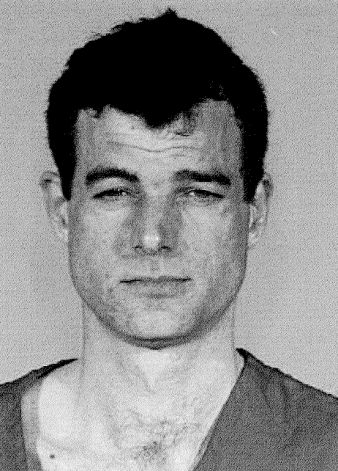
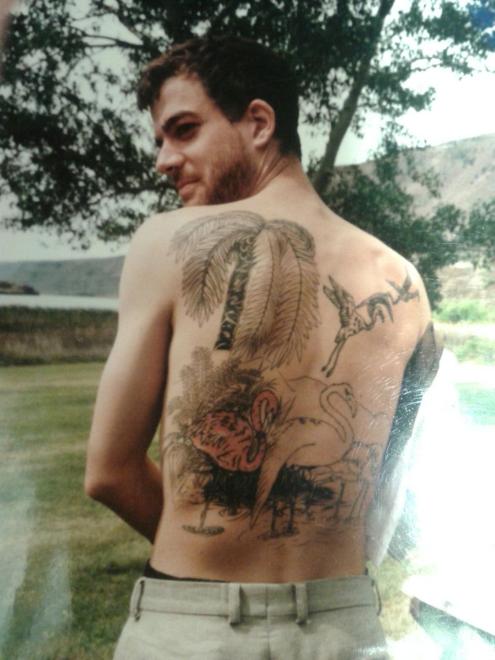
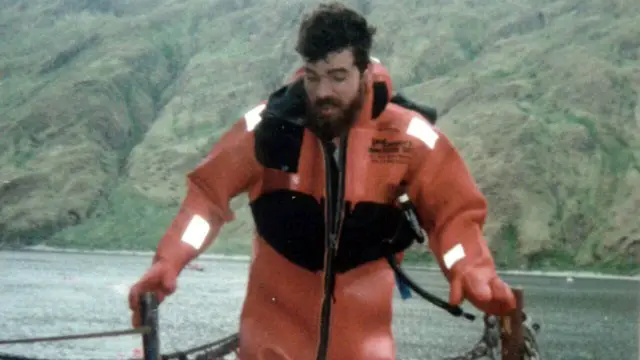
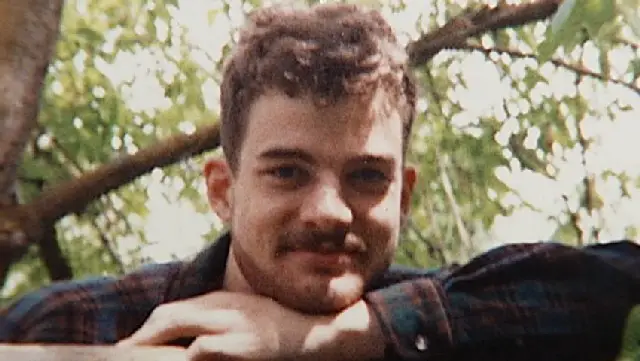
| Legal Identity | Ian Lee Stawicki |
| Confirmed Victims | 5 |
| Attributed / Indicted Victims | 5 |
| Active Timeline | May 30, 2012 |
| Jurisdiction / Area of Operations | Seattle, Washington, USA |
| Criminological Classification | Mass Murderer |
| Forensic Modus Operandi | Indiscriminate shooting and violent carjacking |
| Weapon / Mechanism of Death | Two .45-caliber semi-automatic handguns |
| Motive / Behavioral Dynamics | Pathological anger and mental instability |
| Judicial Outcome | Perpetrator suicide (Case closed) |
1. Background and Profile
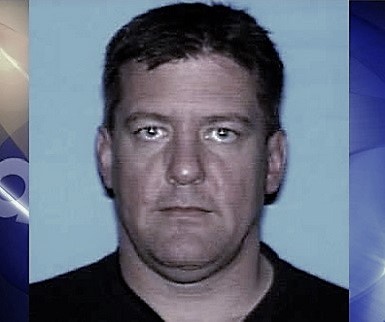
Ian Lee Stawicki (1971–2012) was a native of Ellensburg, Washington. While his criminal record was relatively short, law enforcement reports and family accounts indicated a history of erratic behavior, severe anger management issues, and untreated mental health problems. In 2008, he faced domestic violence charges, which were later dismissed. His brother, Andrew, noted that Ian had become increasingly hostile toward everything, refusing to engage in mental health treatment.
2. Crime Spree
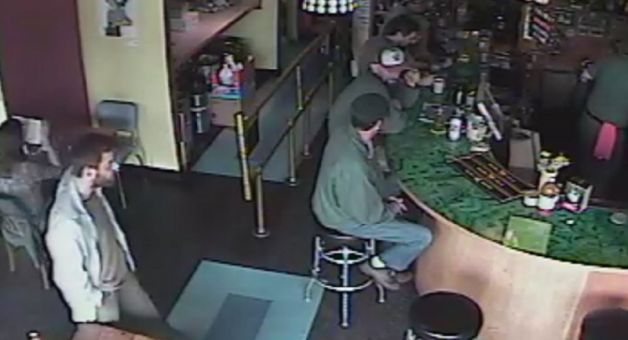
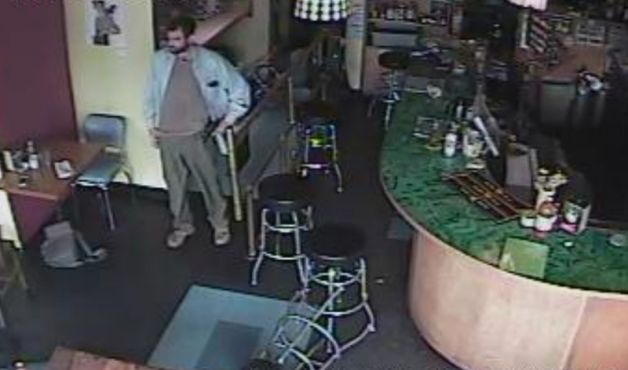
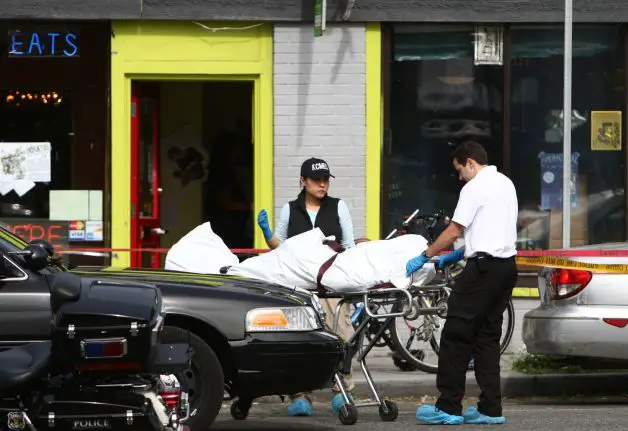
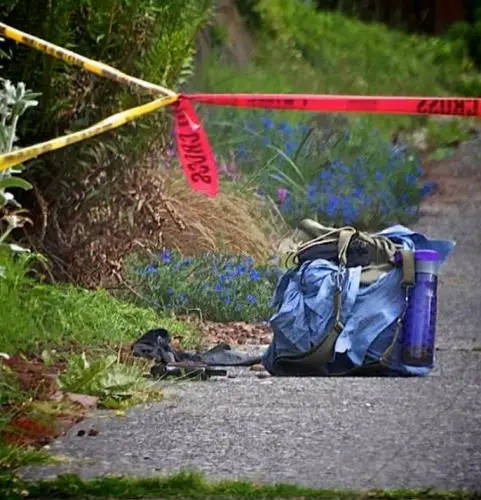
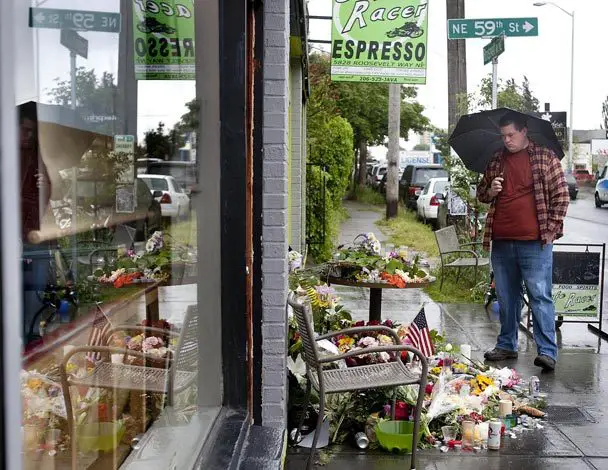
On May 30, 2012, Stawicki entered the Café Racer Espresso in Seattle's University District. After being confronted by staff regarding his previous behavior, he blocked the exit and opened fire with two .45-caliber handguns. Four victims were killed. He subsequently fled to the First Hill neighborhood, where he murdered Gloria Leonidas during a violent carjacking to escape police pursuit.
3. Investigation and Arrest
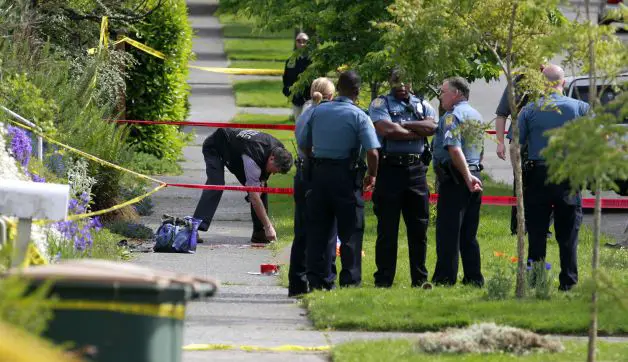
Seattle Police launched a massive manhunt. Surveillance footage and identification by his brother allowed authorities to track him. Stawicki eventually moved to West Seattle, where he was spotted by an undercover officer near 36th Avenue Southwest and Southwest Morgan Street.
4. Legal Proceedings and Outcome
As uniformed officers closed in, Stawicki knelt on the ground and committed suicide by shooting himself in the head. He was transported to Harborview Medical Center, where he was pronounced dead. Due to his death, no criminal trial took place.
5. Psychiatric Assessment and Conclusion
Stawicki’s actions reflect a pattern of severe psychological deterioration and pathological aggression. His access to multiple firearms, combined with his refusal to seek psychiatric help, culminated in a tragic mass casualty event that remains one of the most significant shooting incidents in Seattle's history.