Forensic & Criminological Matrix
| Parameter | Forensic Detail |
|---|---|
| Forensic Heading / Aliases | null |
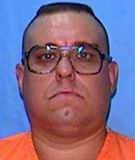
| Legal Identity | Jerry Jerome Spraggins |
| Confirmed Victims | 1 |
| Attributed / Indicted Victims | 3 |
| Active Timeline | 1981-1983 |
| Jurisdiction / Area of Operations | Montclair, New Jersey, USA |
| Criminological Classification | Sexual predator, residential serial offender |
| Forensic Modus Operandi | Home invasion, sexual assault, and mechanical asphyxia |
| Weapon / Mechanism of Death | Smothering with a pillow |
| Motive / Behavioral Dynamics | Sexual and predatory |
| Judicial Outcome | Life imprisonment with 30-year parole ineligibility |
1. Background and Profile
Jerry Jerome Spraggins, born in 1955, was a taxi driver and dispatcher in Montclair, New Jersey. His criminal profile is defined by persistent predatory behavior, including voyeurism and harassment. Prior to his murder conviction, he had a history of criminal trespass and sexual assault, which resulted in lenient sentences that failed to curb his escalating violence.
2. Crime Spree
The case is centered on the Cranetown Garden Apartments in Montclair, specifically Apartment 31. In November 1981, Lillian Harris (83) died during a burglary. In April 1983, Joan Light (51) died under identical circumstances. On September 2, 1983, Sarah McHale (68) was found dead, having been smothered with a pillow. Spraggins was linked to all three, though only convicted for McHale's death.
3. Investigation and Arrest
Essex County authorities identified a clear pattern in the deaths at the Cranetown complex. While initial reports suggested natural causes, the investigative team linked the burglaries to Spraggins' presence. He was arrested on April 11, 1985, following a thorough investigation into his prior criminal history.
4. Legal Proceedings and Outcome
The trial took place in 1986. Although charged with three murders, the jury acquitted him of the Harris and Light cases due to insufficient evidence. He was convicted of the rape, assault, and murder of Sarah McHale. The jury recommended against the death penalty, opting for life imprisonment with a 30-year parole ineligibility period.