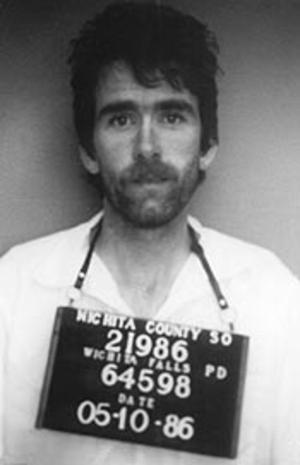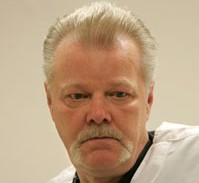
Forensic & Criminological Matrix
| Parameter | Forensic Detail |
|---|---|
| Forensic Heading / Aliases | null |
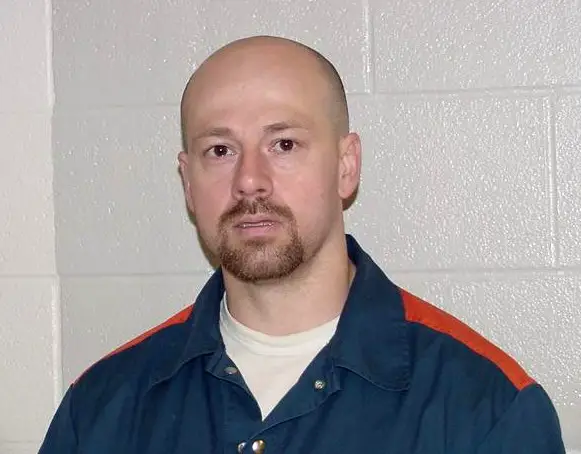
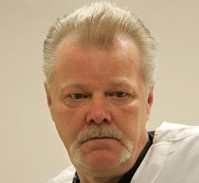
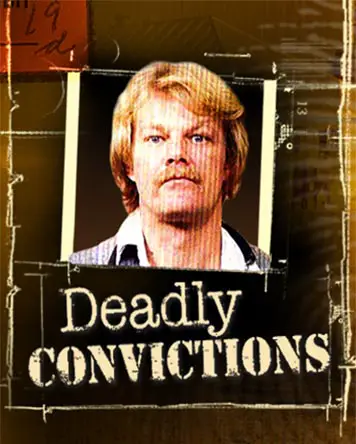
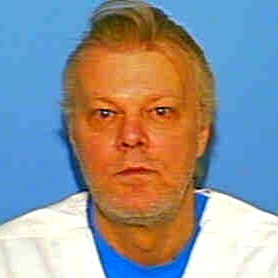
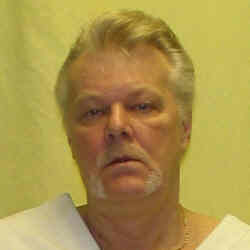
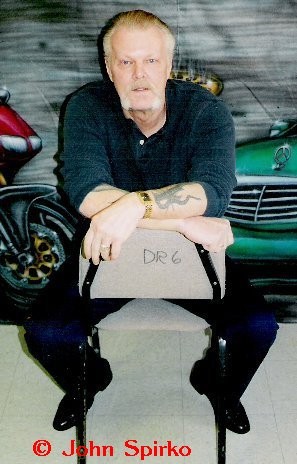
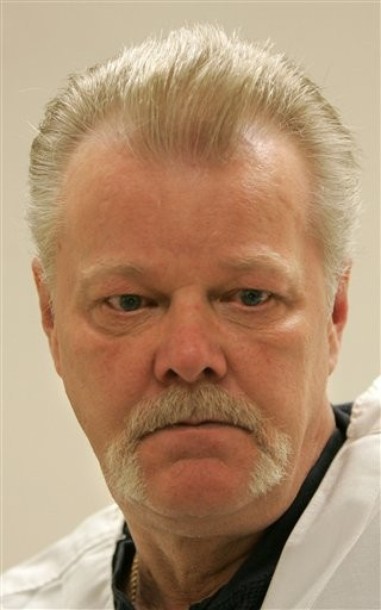
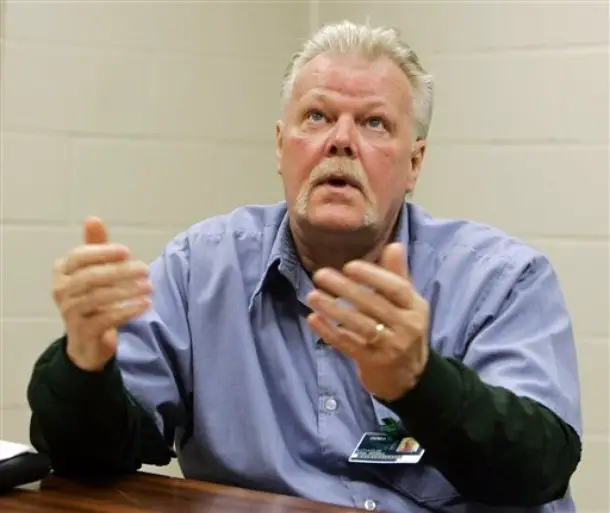
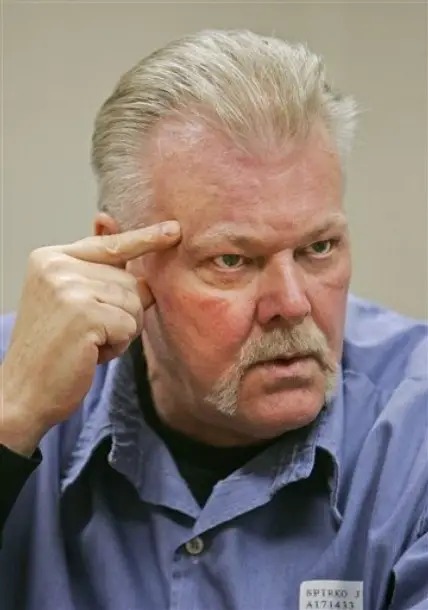
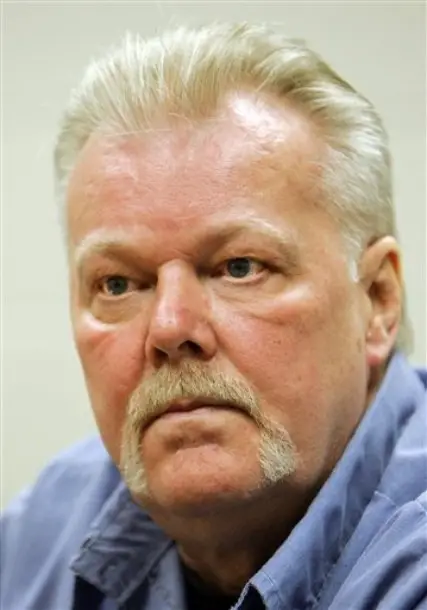
| Legal Identity | John George Spirko Jr. |
| Confirmed Victims | 1 |
| Attributed / Indicted Victims | 2 |
| Active Timeline | 1969 - 1982 |
| Jurisdiction / Area of Operations | Kentucky and Ohio, USA |
| Criminological Classification | Murderer |
| Forensic Modus Operandi | Kidnapping, unlawful restraint, and stabbing |
| Weapon / Mechanism of Death | Knife / Stabbing |
| Motive / Behavioral Dynamics | Criminal / Opportunistic |
| Judicial Outcome | Life imprisonment without parole |
1. Background and Profile
John George Spirko Jr. was born on June 13, 1946. His criminal history predates the Mottinger case; he was convicted in 1970 for the murder of Myra Ashcraft in Kentucky. He was paroled in 1982, shortly before the events in Ohio occurred.
2. Crime Spree
In August 1982, Betty Jane Mottinger, the postmaster of Elgin, Ohio, was abducted from her post office. Her body was discovered six weeks later in a soybean field near Findlay, wrapped in a painter's dropcloth. The prosecution alleged that Spirko and his associate, Delaney Gibson Jr., carried out the kidnapping and murder.
3. Investigation and Forensic Hunt
The investigation was marred by significant controversy. The case against Spirko relied heavily on unrecorded statements made to Postal Inspector Paul Hartman and eyewitness testimony placing Gibson at the scene. Subsequent legal discovery revealed that the prosecution had withheld evidence proving Gibson was hundreds of miles away at the time. DNA testing conducted in 2007 on evidence from the crime scene failed to link Spirko to the crime.
4. Legal Proceedings and Outcome
Spirko was sentenced to death in 1984. Over the following decades, his defense team challenged the conviction based on prosecutorial misconduct and the lack of physical evidence. In 2004, charges against his co-defendant, Delaney Gibson, were dropped.
5. Judicial Outcome
Following seven reprieves and extensive review, Ohio Governor Ted Strickland commuted Spirko's death sentence to life without parole in January 2008, citing "slim residual doubt" regarding his guilt, while acknowledging the extensive judicial scrutiny the case had undergone.