Forensic & Criminological Matrix
| Parameter | Forensic Detail |
|---|---|
| Forensic Heading / Aliases | None |
| Legal Identity | August Vincent Theodore Spies |
| Confirmed Victims | 0 (Convicted of conspiracy) |
| Attributed / Indicted Victims | 7 (Police officers) |
| Active Timeline | 1880-1886 |
| Jurisdiction / Area of Operations | Chicago, Illinois, USA |
| Criminological Classification | Political activist / Conspirator |
| Forensic Modus Operandi | Political agitation and inflammatory rhetoric during labor strikes |
| Weapon / Mechanism of Death | Pipe bomb (improvised explosive device) |
| Motive / Behavioral Dynamics | Anarchist ideology and class struggle |
| Judicial Outcome | Executed by hanging on November 11, 1887 |
1. Background and Profile
August Vincent Theodore Spies was born in 1855 in Landeck, Germany. After his father's death in 1871, he emigrated to the United States in 1872, settling in Chicago. He became an upholsterer and a prominent figure in the labor movement, eventually editing the anarchist newspaper Arbeiter-Zeitung.
2. Crime Spree
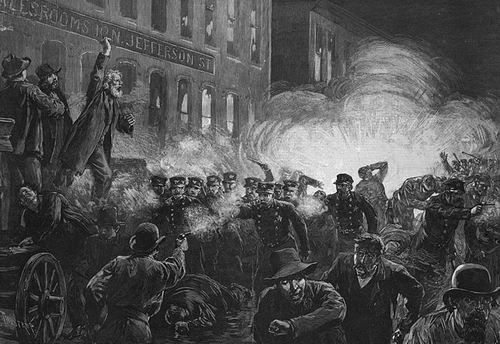
On May 4, 1886, during a labor rally at Haymarket Square, police attempted to disperse the crowd. A pipe bomb was thrown, killing seven officers. Spies, who had spoken at the rally, was arrested as part of a group of eight defendants.
3. Investigation and Arrest
The investigation focused on the defendants' political writings and speeches. Despite evidence that Spies did not throw the bomb and was not directly involved in the act, the prosecution successfully argued that his rhetoric constituted a conspiracy to commit murder.
4. Legal Proceedings and Outcome
The trial was marked by significant controversy and allegations of judicial bias. All eight defendants were found guilty. Spies, along with three others, was executed on November 11, 1887. His final statement on the gallows remains a significant historical quote regarding the power of suppressed voices.