Forensic & Criminological Matrix
| Parameter | Forensic Detail |
|---|---|
| Forensic Heading / Aliases | None |
| Legal Identity | John Arthur Spenkelink |
| Confirmed Victims | 1 |
| Attributed / Indicted Victims | 1 |
| Active Timeline | 1973 |
| Jurisdiction / Area of Operations | Florida, United States |
| Criminological Classification | Murderer |
| Forensic Modus Operandi | Firearm usage during interpersonal conflict |
| Weapon / Mechanism of Death | Handgun |
| Motive / Behavioral Dynamics | Personal dispute |
| Judicial Outcome | Death penalty (executed) |
1. Background and Profile
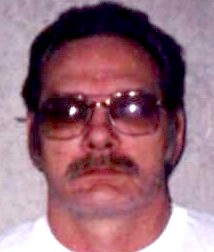
John Arthur Spenkelink (1949–1979) was an American individual whose criminal actions led to a significant legal precedent. His profile is characterized by a singular act of lethal violence rather than a pattern of serial offending.
2. Crime Spree
In 1973, while hitchhiking, Spenkelink encountered Joseph Szymankiewicz. Following a series of disagreements, the two checked into a motel in Tallahassee, Florida. Inside the room, a violent altercation occurred, resulting in Spenkelink shooting and killing Szymankiewicz.
3. Investigation and Arrest
Law enforcement quickly identified Spenkelink as the perpetrator following the discovery of the victim. The forensic evidence and witness accounts provided sufficient grounds for his arrest and subsequent indictment for first-degree murder.
4. Legal Proceedings and Outcome
Spenkelink was convicted of murder. His case gained national attention as it became the first involuntary execution in Florida following the 1976 reinstatement of the death penalty in the United States. Despite extensive legal challenges, the sentence was upheld.
5. Judicial Execution
On May 25, 1979, John Arthur Spenkelink was executed by electric chair. His death marked the first time a prisoner had been executed in Florida in over a decade and served as a pivotal moment in the American legal system regarding the application of capital punishment.