Forensic & Criminological Matrix
| Parameter | Forensic Detail |
|---|---|
| Forensic Heading / Aliases | None |
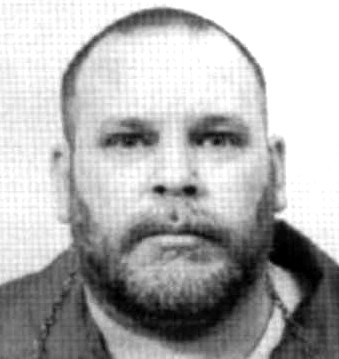
| Legal Identity | Michael Hampton Sonner |
| Confirmed Victims | 3 |
| Attributed / Indicted Victims | 3 |
| Active Timeline | November 1993 |
| Jurisdiction / Area of Operations | Texas and Nevada, USA |
| Criminological Classification | Itinerant murderer / Fugitive |
| Forensic Modus Operandi | Execution by firearm (.38) following confrontation |
| Weapon / Mechanism of Death | .38 caliber revolver |
| Motive / Behavioral Dynamics | Evasion of arrest and suicidal nihilism |
| Judicial Outcome | Death sentence (1994) |
1. Background and Profile
Michael Hampton Sonner, born in 1968, had a significant criminal record involving robbery and assault. After escaping from a North Carolina prison, he embarked on a violent cross-country crime spree. Psychological evaluations noted severe emotional disturbance stemming from a childhood of abuse and neglect.
2. Crime Spree
In November 1993, Sonner murdered two individuals in Texas during a robbery attempt. While fleeing in a stolen vehicle, he was stopped by Nevada Highway Patrol Trooper Carlos J. Borland near Lovelock, Nevada. Sonner, having resolved to kill any officer who stopped him, shot Trooper Borland in the head with a .38 caliber revolver.
3. Investigation and Arrest
The shooting of Trooper Borland triggered the most intensive manhunt in NHP history. Over 25 hours, multiple law enforcement agencies, including SWAT teams and aerial support, tracked Sonner. He was apprehended after a standoff, during which he attempted to commit suicide but failed.
4. Legal Proceedings and Outcome
Sonner was convicted in September 1994 of first-degree murder, possession of a stolen vehicle, and other charges. On October 28, 1994, he was sentenced to death. He has remained on death row while pursuing various appeals, despite his initial insistence on a speedy execution.