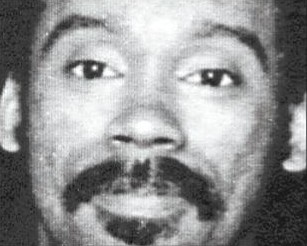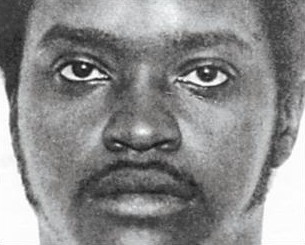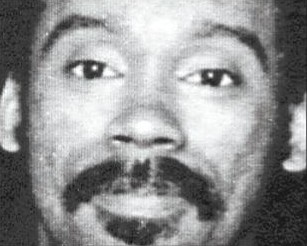
Forensic & Criminological Matrix
| Parameter | Forensic Detail |
|---|---|
| Forensic Heading / Aliases | None |
| Legal Identity | Michael Marnell Smith |
| Confirmed Victims | 1 |
| Attributed / Indicted Victims | 1 |
| Active Timeline | 1977 |
| Jurisdiction / Area of Operations | James City County, Virginia |
| Criminological Classification | Sexual Predator / Murderer |
| Forensic Modus Operandi | Abduction, rape at knifepoint, and homicide (strangulation/drowning/stabbing) |
| Weapon / Mechanism of Death | Hunting knife |
| Motive / Behavioral Dynamics | Sexual predation and witness elimination |
| Judicial Outcome | Executed by electric chair (1986) |
1. Background and Profile
Michael Marnell Smith was a recidivist offender with a prior rape conviction. He had been released from prison only four months prior to the murder of Audrey Weiler. Psychiatric evaluations described him as a sociopathic personality with sexual deviation.
2. Crime Spree
On May 23, 1977, Smith encountered Audrey Weiler, a 35-year-old mother, near the Colonial Parkway. After initially feigning kindness, he forced her into the woods at knifepoint, raped her, and subsequently killed her by strangulation, drowning, and stabbing to prevent her from testifying against him.
3. Investigation and Arrest
Law enforcement linked Smith to the crime scene through forensic evidence and his own confession. The investigation highlighted his history of deviant sexual behavior, including an uncharged incident on a school bus.
4. Legal Proceedings and Outcome
Smith was the first defendant sentenced to death under Virginia's reinstated capital punishment law. His case involved extensive litigation regarding the Fifth Amendment and the use of court-appointed psychiatric testimony. The U.S. Supreme Court ultimately affirmed his death sentence.
5. Psychiatric Evaluation and Final Disposition
Following the exhaustion of all appeals, Smith was executed in the electric chair on August 1, 1986. His case remains a landmark in American legal history regarding the admissibility of psychiatric evidence in capital sentencing.