




Forensic & Criminological Matrix
| Parameter | Forensic Detail |
|---|---|
| Forensic Heading / Aliases | null |
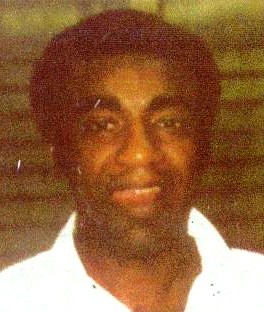
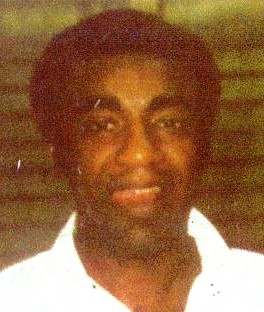
| Legal Identity | Cornelius Singleton |
| Confirmed Victims | 1 |
| Attributed / Indicted Victims | 1 |
| Active Timeline | 1977 |
| Jurisdiction / Area of Operations | Mobile, Alabama, USA |
| Criminological Classification | Murderer |
| Forensic Modus Operandi | Assault, physical battery, strangulation, and robbery |
| Weapon / Mechanism of Death | Physical force / Strangulation |
| Motive / Behavioral Dynamics | Robbery-homicide |
| Judicial Outcome | Death penalty; executed via electric chair |
1. Background and Profile
Cornelius Singleton (1956–1992) was an American offender whose criminal career ended in a significant capital case in Alabama. Throughout his legal proceedings, his defense team emphasized his low IQ and alleged ineffective assistance of counsel, though these arguments failed to overturn his conviction.
2. Crime Spree
On November 12, 1977, Sister Ann Hogan was praying in a cemetery in Mobile, Alabama. Singleton confronted the nun with the intent to rob her. He proceeded to beat and strangle her to death. After the murder, he stole her watch and other personal items, attempting to hide her body under debris at the scene.
3. Investigation and Arrest
Singleton was apprehended approximately one week after the incident. He provided a confession while in police custody after a private meeting with his girlfriend. Despite claims that his low intelligence made the confession involuntary, federal courts ruled that in the absence of coercive police tactics, the confession remained valid.
4. Legal Proceedings and Outcome
Following a reversed first conviction, Singleton was retried and sentenced to death for first-degree murder and robbery. His case reached the Eleventh Circuit Court of Appeals, where his claims of ineffective assistance of counsel and due process violations were rejected.
5. Psychiatric Evaluation and Execution
Despite multiple mental evaluations from Searcy Hospital being introduced during sentencing, the courts found no mitigating circumstances sufficient to commute his sentence. On November 20, 1992, after the U.S. Supreme Court denied his final appeal, Singleton was executed in the electric chair at the Alabama state prison.