




Forensic & Criminological Matrix
| Parameter | Forensic Detail |
|---|---|
| Forensic Heading / Aliases | Paula Sims / The Illinois Infant Killer |
| Legal Identity | Paula Marie Sims |
| Confirmed Victims | 2 (Loralei Marie Sims and Heather Lee Sims) |
| Active Timeline | 1986 - 1989 |
| Jurisdiction / Area of Operations | Jersey County and Madison County, Illinois, United States |
| Criminological Classification | Filicide / Domestic Serial Killer |
| Forensic Modus Operandi | Mechanical asphyxiation of infants, corpse concealment (freezers, public trash receptacles), and staging fake abductions by a masked gunman |
| Weapon / Mechanism of Death | Hands (suffocation) / Immersion / Post-mortem hypothermia |
| Motive / Behavioral Dynamics | Postpartum depressive disorder, postpartum psychosis, and dysfunctional family pressures regarding the gender of offspring |
| Judicial Outcome | Sentenced to life imprisonment without parole in 1990 |
1. Background and Profile
Paula Marie Sims was born and raised in the United States, later residing in rural and urban areas of Illinois with her husband, Robert Sims. The couple had three children, two of whom—both infant daughters—met violent deaths during their early weeks of life, while a son born in 1988 survived after being removed by child protective services following police suspicion. Externally, the Sims projected the image of an ordinary family, but internal pressures and marital dynamics surrounding the desire for male offspring formed the behavioral backdrop of the crimes.
2. Crime Spree and Modus Operandi
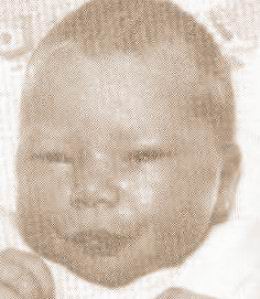
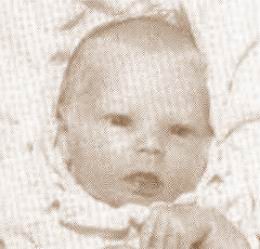
The first filicide occurred in June 1986 in rural Brighton (Jersey County), when Paula Sims reported that a masked gunman had entered her home, bound her, and abducted her 13-day-old daughter, Loralei Marie. The infant's remains were found days later in a wooded ravine; the pathologist reported suffocation via manual obstruction of the airways. Three years later, on April 29, 1989, in Alton (Madison County), Sims executed an identical narrative framework by claiming a masked assailant knocked her unconscious while taking out the garbage and kidnapped her six-week-old daughter, Heather Lee. In reality, Heather was stored temporarily in the household freezer before being dumped in a municipal trash receptacle to confound the forensic timeline of death.
3. Investigation and Forensic Hunt
During the initial 1986 investigation, polygraph examinations administered to the couple indicated deception, though a lack of conclusive physical evidence prevented immediate charges, leaving the case as a temporary cold case. Following the second crime in 1989, police uncovered glaring inconsistencies: the crime scene lacked signs of struggle or physical trauma on Paula Sims. Forensic analysis matched the garbage bags used to dispose of Heather's body with those recovered from inside the Sims' residence. Law enforcement closed in rapidly, executing search warrants and separating the surviving son from the household.
4. Legal Proceedings and Outcome
Paula Sims was arrested and stood trial in the winter of 1989-1990. Her defense team, led by attorney Donald Groshong, maintained her absolute innocence and the validity of the abduction claims, dismissing an insanity or postpartum depression defense to avoid contradicting her sworn statements. On February 2, 1990, the jury found Sims guilty of two counts of first-degree murder, obstructing justice, and concealing a homicide. Prior to sentencing, Sims privately confessed her sole responsibility to her counsel. Following a deadlocked jury on the death penalty, the presiding judge sentenced her to life imprisonment without the possibility of parole.
5. Psychiatric Assessment and Aftermath
Years into her imprisonment at the Dwight Correctional Center, Paula Sims began attributing her actions to severe, undiagnosed postpartum psychosis and depression that she argued was inadequately addressed during her trial. Despite filing clemency petitions and post-conviction motions highlighting perinatal mental illnesses, courts upheld the validity of her original conviction and her attorney's representation. The case remains a prominent criminological and legal precedent in the United States regarding the complexities of postpartum psychiatric disorders and criminal responsibility in infanticide.