

Forensic & Criminological Matrix
| Parameter | Forensic Detail |
|---|---|
| Forensic Heading / Aliases | Jammu-setä (Uncle Jammu) |
| Legal Identity | Antti Veikko Ilmari Siltavuori |
| Confirmed Victims | 2 |
| Attributed / Indicted Victims | 2 |
| Active Timeline | 1989 (primary events) |
| Jurisdiction / Area of Operations | Helsinki, Finland |
| Criminological Classification | Child sexual predator / Serial offender |
| Forensic Modus Operandi | Vehicular abduction, kidnapping, and body incineration |
| Weapon / Mechanism of Death | Homicide and burning of remains |
| Motive / Behavioral Dynamics | Paraphilias and antisocial personality disorder |
| Judicial Outcome | 15-year sentence; indefinite psychiatric commitment |
1. Background and Profile
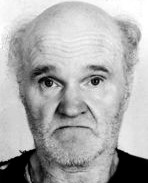
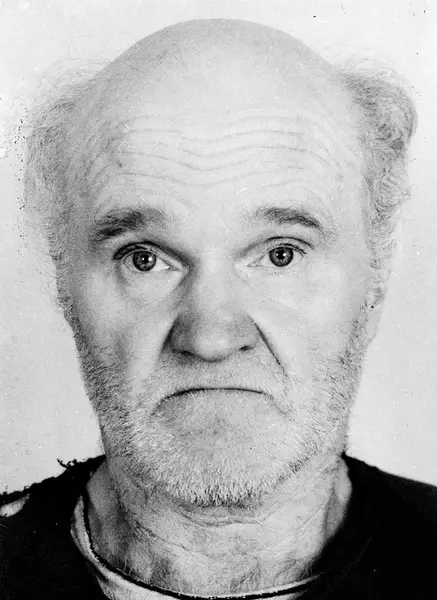
Antti Veikko Ilmari Siltavuori, born October 29, 1926, in Joensuu, Finland, was a career criminal with a history of sexual violence against minors, harassment, and attempted murder. He was infamous for constructing a self-made prison in Paltamo, Kainuu, which featured cells and barred windows, indicating long-term predatory planning.
2. Crime Spree
On March 3, 1989, Siltavuori abducted two 8-year-old girls, Päivi-Maria Hopiavuori and Tanja Johanna Pirinen, from the Myllypuro neighborhood in Helsinki. He lured them into his car under the guise of a ride. Both victims were subsequently murdered, and their bodies were burned to destroy forensic evidence.
3. Investigation and Arrest
Law enforcement utilized Siltavuori's extensive criminal record to quickly identify him as the primary suspect. The investigation focused on his vehicle movements and the forensic analysis of the burn site, which confirmed the identity of the victims despite the destruction of the remains.
4. Legal Proceedings and Outcome
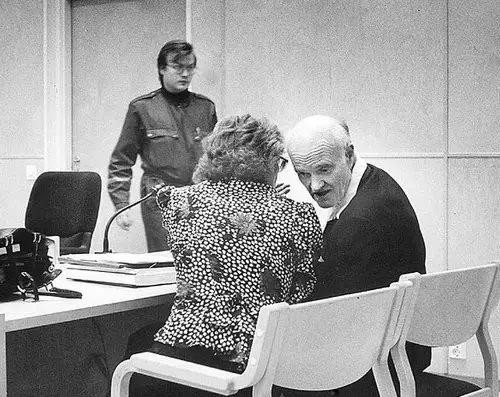
On December 14, 1989, Siltavuori was sentenced to 15 years in prison. A psychiatric evaluation found him partially insane, which prevented a life sentence. He was denied parole twice before being released on strictly supervised parole on January 31, 2000, after serving 11 years.
5. Psychiatric Commitment and Death
Upon his release in 2000, he was immediately involuntarily committed to the Niuvanniemi mental hospital in Kuopio. The commitment was upheld in 2007 due to the high risk he posed to public safety. While institutionalized, he was attacked by another patient, resulting in permanent mobility loss. He died on March 9, 2012.