



Forensic & Criminological Matrix
| Parameter | Forensic Detail |
|---|---|
| Forensic Heading / Aliases | None |
| Legal Identity | Wang Shujin |
| Confirmed Victims | 3 |
| Attributed / Indicted Victims | 4 |
| Active Timeline | 1994 - 1995 |
| Jurisdiction / Area of Operations | Hebei Province, China |
| Criminological Classification | Serial Killer |
| Forensic Modus Operandi | Rape and strangulation/suffocation |
| Weapon / Mechanism of Death | Manual strangulation and suffocation |
| Motive / Behavioral Dynamics | Sexual predation |
| Judicial Outcome | Death sentence (upheld in 2013) |
1. Background and Profile
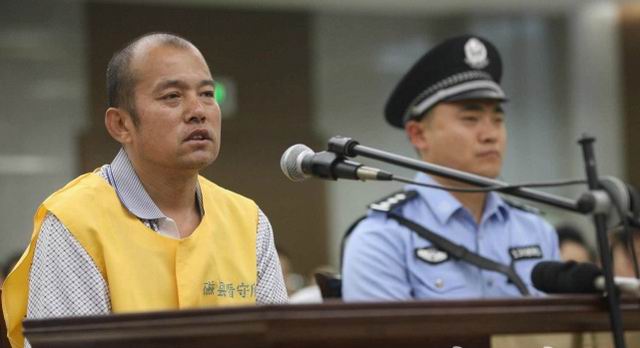
Wang Shujin is a Chinese serial killer active in Hebei Province during the mid-1990s. Born in 1967, his criminal profile is that of a sexual predator who operated in rural areas, leveraging his proximity to local factories and farmland to stalk and assault his victims.
2. Criminal Career and Modus Operandi
Wang's modus operandi involved the interception of young women, whom he subjected to violent sexual assault before killing them via strangulation or suffocation. His crimes were characterized by opportunistic planning, utilizing his familiarity with the local terrain to evade immediate detection.
3. Investigation and Arrest
Wang's 2005 arrest for unrelated crimes led to his confession regarding a series of unsolved murders. The case became a national controversy when Wang confessed to a fourth murder for which another man, Nie Shubin, had been executed in 1995. Discrepancies between Wang's confession and forensic evidence—such as the specific use of a floral shirt in the strangulation—led the courts to reject his claims regarding that specific case.
4. Legal Proceedings and Outcome
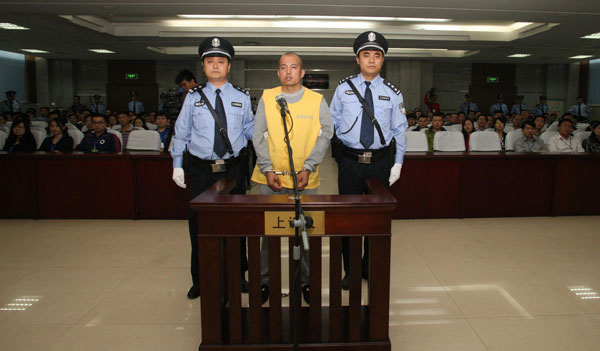
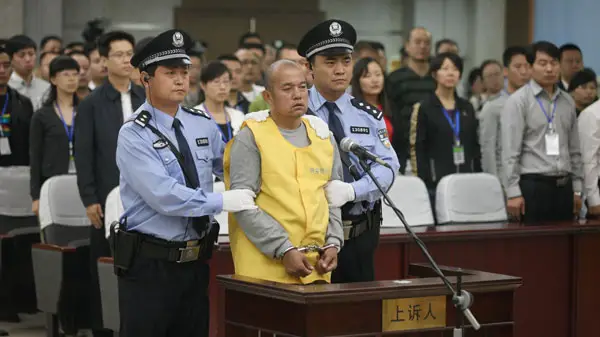
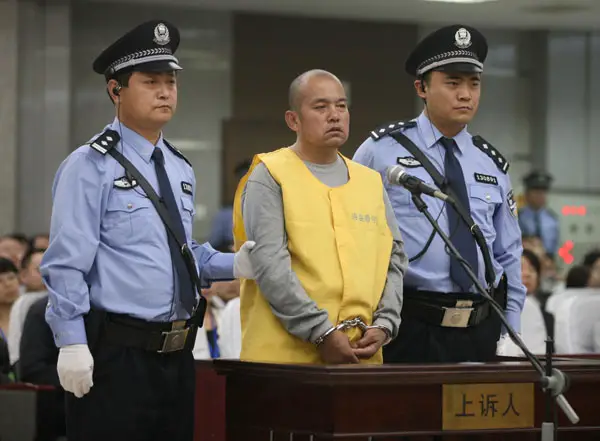
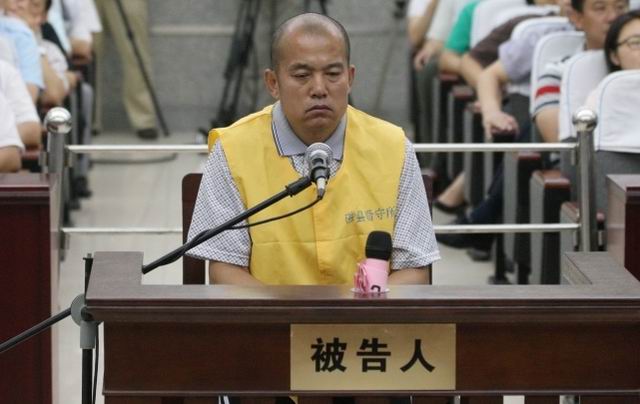
Wang was arrested in 2005. In 2007, the Handan Intermediate People's Court sentenced him to death. His appeal, which sought leniency by claiming responsibility for the murder for which Nie Shubin was executed, was rejected by the Hebei High People's Court in 2013, citing inconsistencies between his testimony and the physical evidence.
5. Judicial Impact
Wang Shujin's case remains a critical point in Chinese jurisprudence, highlighting the tensions between prisoner confessions and forensic evidence. Despite his attempts to seek clemency through additional confessions, judicial authorities have upheld his original death sentence, casting doubt on the veracity of his claims regarding previously closed cases.