Forensic & Criminological Matrix
| Parameter | Forensic Detail |
|---|---|
| Forensic Heading / Aliases | None |
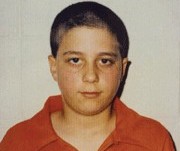
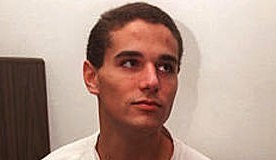
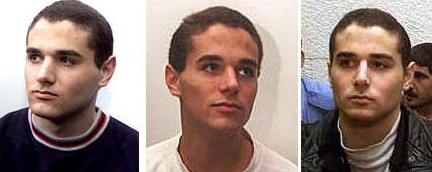
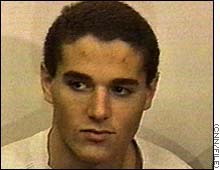
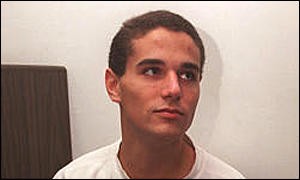
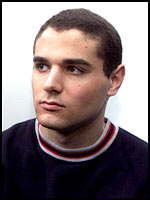
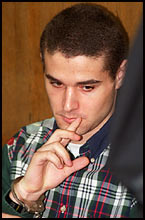
| Legal Identity | Samuel Sheinbein |
| Confirmed Victims | 1 |
| Attributed / Indicted Victims | 1 |
| Active Timeline | 1997 |
| Jurisdiction / Area of Operations | Aspen Hill, Maryland, USA |
| Criminological Classification | Juvenile Homicide / Dismemberment |
| Forensic Modus Operandi | Blunt force trauma and post-mortem dismemberment |
| Weapon / Mechanism of Death | Sawed-off shotgun and power saw |
| Motive / Behavioral Dynamics | Interpersonal conflict / Evidence concealment |
| Judicial Outcome | Sentenced to 24 years in Israel |
1. Background and Profile
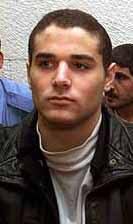
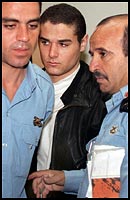
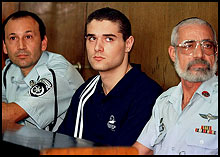
Samuel Sheinbein was an American teenager and a student at John F. Kennedy High School in Montgomery County, Maryland. His criminal profile is marked by extreme violence and cold-blooded planning alongside his accomplice, Aaron Benjamin Needle.
2. Crime Spree
On September 16, 1997, Sheinbein and Needle murdered Alfredo Enrique Tello Jr. in Aspen Hill. The murder was committed by beating the victim with the butt of a sawed-off shotgun. Following the killing, the perpetrators dismembered the body with a power saw and attempted to cremate the remains in a residential garage to destroy forensic evidence.
3. Investigation and Arrest
As police identified Sheinbein as a primary suspect, he fled to Israel with the help of his father, Sol Sheinbein, leveraging his dual citizenship. This flight triggered a significant diplomatic crisis between the United States and Israel, as U.S. authorities sought his extradition to face trial in Maryland.
4. Legal Proceedings and Outcome
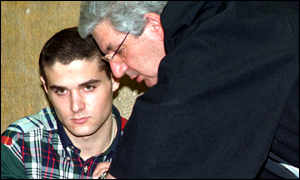
Sheinbein was arrested in Israel. The Israeli Supreme Court denied extradition, citing laws prohibiting the extradition of Israeli citizens. He was tried in Israel and sentenced to 24 years in prison on October 24, 1999. His accomplice, Aaron Needle, committed suicide in a Maryland jail prior to his trial.
5. Psychiatric Assessment and Conclusion
The case led to significant changes in Israeli extradition law. Sheinbein remained incarcerated in Israel until his death in 2014. The case remains a landmark in international legal and diplomatic relations.