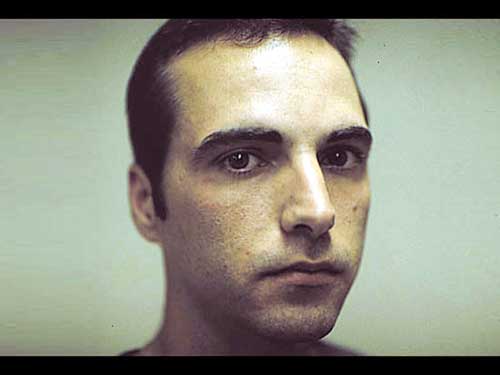
Forensic & Criminological Matrix
| Parameter | Forensic Detail |
|---|---|
| Forensic Heading / Aliases | None |
| Legal Identity | Jeremy Sheets |
| Confirmed Victims | 0 (due to procedural dismissal) |
| Attributed / Indicted Victims | 1 (Kenyatta Bush) |
| Active Timeline | 1992 |
| Jurisdiction / Area of Operations | Omaha, Nebraska |
| Criminological Classification | Hate crime murderer |
| Forensic Modus Operandi | Kidnapping, rape, and stabbing |
| Weapon / Mechanism of Death | Knife (throat slashing) |
| Motive / Behavioral Dynamics | Racial hatred and retaliation |
| Judicial Outcome | Death sentence overturned; charges dismissed in 2001 |
1. Background and Psychopathy
Jeremy Sheets, born in 1974, became the center of a high-profile legal case in Nebraska. His involvement in the 1992 murder of Kenyatta Bush was characterized by investigators as a racially motivated hate crime, allegedly fueled by resentment toward interracial relationships.
2. Crime Spree
On September 23, 1992, 17-year-old honor student Kenyatta Bush was abducted outside Omaha North High School. According to the taped confession of his accomplice, Adam Barnett, the two men had been using LSD and decided to target a black woman to exact revenge on black men dating white women. The victim was sexually assaulted and her throat was slashed before her body was dumped in a wooded area.
3. Investigation and Arrest
Police investigators relied heavily on the testimony of Adam Barnett, who provided specific details regarding the crime scene and the victim's condition. Barnett's suicide in jail prior to Sheets' trial created a significant legal hurdle, as the defense could not cross-examine the primary witness against the defendant.
4. Legal Proceedings and Outcome
Sheets was sentenced to death in 1997. However, in 2000, the Nebraska Supreme Court overturned the conviction, ruling that the admission of Barnett's taped statement violated the defendant's constitutional right to confront his accuser. Following the U.S. Supreme Court's refusal to hear the state's appeal, prosecutors dropped the charges, and Sheets was released on June 13, 2001.