


Forensic & Criminological Matrix
| Parameter | Forensic Detail |
|---|---|
| Forensic Heading / Aliases | null |
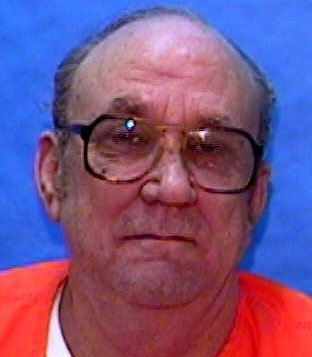
| Legal Identity | Eddie Lee Sexton |
| Confirmed Victims | 2 |
| Attributed / Indicted Victims | 2 |
| Active Timeline | 1993 |
| Jurisdiction / Area of Operations | Hillsborough County, Florida, USA |
| Criminological Classification | Serial Murderer / Cult Leader |
| Forensic Modus Operandi | Familial coercion, systematic abuse, and murder by proxy |
| Weapon / Mechanism of Death | Suffocation and strangulation |
| Motive / Behavioral Dynamics | Dominance, control, and evasion of justice |
| Judicial Outcome | Death sentence (1998) |
1. Background and Profile
Eddie Lee Sexton (born May 12, 1942) was the patriarch of a family widely cited as one of the most dysfunctional in American history. Sexton maintained a cult-like grip on his 12 children, utilizing incest, physical violence, and psychological manipulation to ensure total obedience. After fleeing Ohio to escape child abuse charges, the family lived in a nomadic state, eventually settling in Florida campgrounds where Sexton's control intensified.
2. Crime Spree
Sexton's criminal pattern involved forcing his children to commit acts of violence to protect his freedom. In 1993, he ordered his daughter, Estella 'Pixie' Good, to smother her infant son, Skipper Lee Good, to stop him from crying. Following this, he ordered his son, William Sexton, to strangle his son-in-law, Joel Good, fearing that Joel would report the family's crimes to authorities. Sexton also conspired to murder a campground resident, Raymond Hesser, to steal his identity, but this was thwarted by the FBI.
3. Investigation and Arrest
The FBI tracked the family to the Little Manatee River State Park after tracing a phone call made by Sexton. Upon their arrest on January 14, 1994, the investigation uncovered the burial sites of the victims. The testimony of the surviving children provided a harrowing account of the abuse and the specific instructions given by Eddie Sexton to carry out the murders.
4. Legal Proceedings and Outcome
Sexton was initially sentenced to death in 1994. The Florida Supreme Court reversed this conviction in 1997 due to the inclusion of prejudicial testimony regarding his abuse of the children. A second trial in 1998 resulted in a guilty verdict and a renewed death sentence, which was upheld by the Florida Supreme Court in 2000. He remains incarcerated for his crimes.