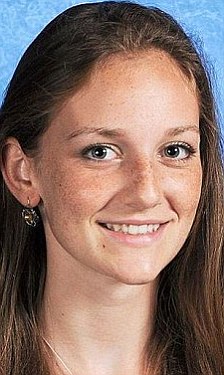




Forensic & Criminological Matrix
| Parameter | Forensic Detail |
|---|---|
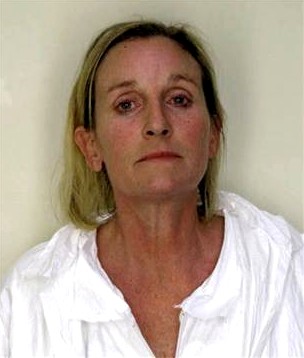
| Forensic Heading / Aliases | Julie Schenecker |
| Legal Identity | Julie Powers Schenecker |
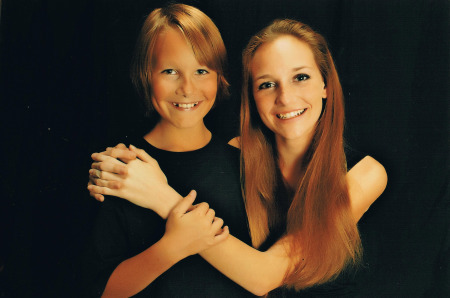
| Confirmed Victims | 2 (Calyx Schenecker, Beau Schenecker) |
| Active Timeline | January 27, 2011 |
| Jurisdiction / Area of Operations | Tampa, Florida, USA |
| Criminological Classification | Filicidal / Family Annihilator |
| Forensic Modus Operandi | Premeditated firearm execution of her children within the family residence |
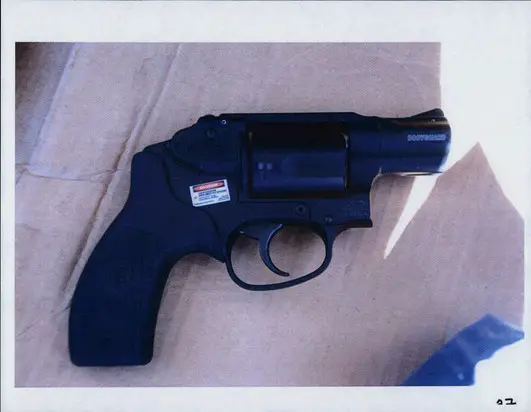
| Weapon / Mechanism of Death | .38 caliber handgun purchased days prior to the murders |
| Motive / Behavioral Dynamics | Severe depressive disorder, clinical depression, and marital grievances directed at her spouse |
| Judicial Outcome | Life imprisonment without the possibility of parole (2014) |
1. Background and Psychopathy
Julie Powers Schenecker was a suburban homemaker living in Tampa, Florida, married to a high-ranking US Army officer. Outwardly maintaining the facade of a normal family life, she suffered from escalating psychiatric deterioration, severe depressive episodes, and profound marital distress exacerbated by her husband's military deployments.
2. Crime Spree
On January 27, 2011, Julie carried out the calculated murders of her two teenage children, Calyx (16) and Beau (13). Days earlier, she had legally purchased a .38 caliber firearm under the guise of self-protection. She shot her daughter Calyx inside the family vehicle and subsequently executed her son Beau in his bedroom. Forensic pathology confirmed the systematic and premeditated nature of the attacks.
3. Investigation and Arrest
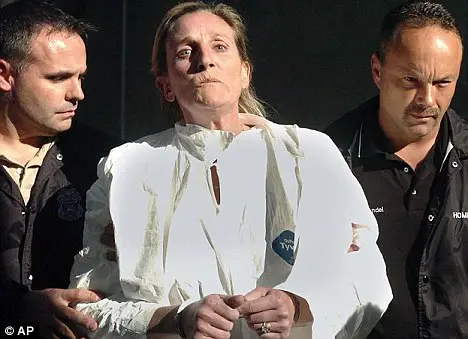
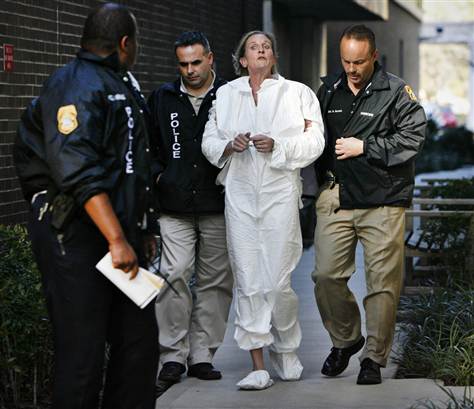
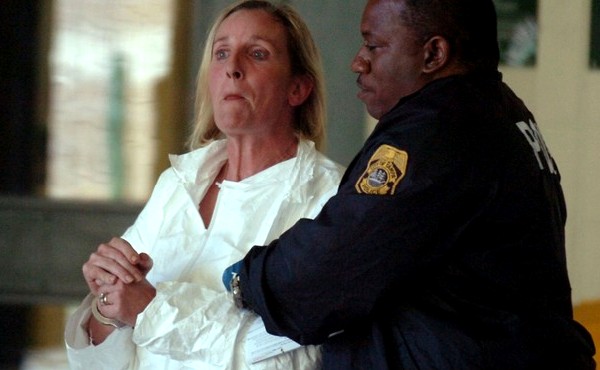
Local law enforcement responded to the Schenecker residence following welfare checks initiated by concerned relatives and military contacts. Upon entry, officers discovered both victims deceased. Julie was found on the back patio with superficial self-inflicted wounds alongside a personal journal detailing her meticulous plan and rationale for the homicides.
4. Legal Proceedings and Outcome
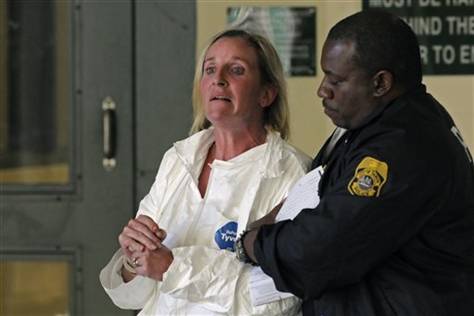
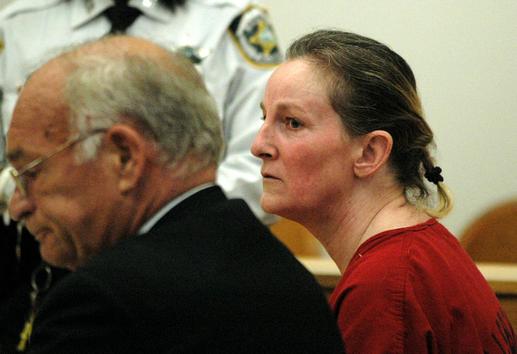
Following her immediate arrest, Schenecker underwent extensive psychiatric evaluations to determine competency. Her defense team mounted an insanity plea, arguing that severe bipolar disorder and psychotic depression rendered her legally insane at the time of the killings. However, prosecution experts presented compelling evidence establishing that she understood the nature of her actions and planned the murders as an act of retribution against her husband.
5. Verdict and Current Status
In 2014, a Florida jury rejected the insanity defense and found Julie Schenecker guilty of two counts of first-degree murder. She was subsequently sentenced to mandatory life imprisonment without parole, securing her permanent removal from society within the Florida correctional system.