



Forensic & Criminological Matrix
| Parameter | Forensic Detail |
|---|---|
| Forensic Heading / Aliases | None |
| Legal Identity | Robert Wayne Sawyer |
| Confirmed Victims | 1 |
| Attributed / Indicted Victims | 1 |
| Active Timeline | September 28, 1979 |
| Jurisdiction / Area of Operations | Gretna, Louisiana, USA |
| Criminological Classification | First-degree murderer |
| Forensic Modus Operandi | Physical assault, rape, torture via boiling water, and ignition with flammable liquid |
| Weapon / Mechanism of Death | Physical force, boiling water, lighter fluid |
| Motive / Behavioral Dynamics | Intentional homicide during aggravated arson |
| Judicial Outcome | Death penalty via lethal injection |
1. Background and Profile
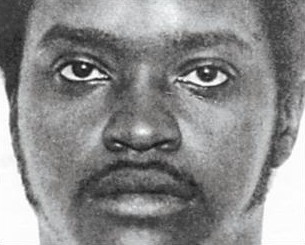
Robert Wayne Sawyer (1950–1993) was an American offender whose legal history became a landmark case regarding the standards for federal habeas corpus review in capital cases. His defense team consistently argued that Sawyer suffered from organic brain damage and intellectual disability, citing a history of childhood abuse and institutionalization, including electroshock therapy. These claims were rejected by the courts.
2. Crime Spree
On September 28, 1979, following a night of heavy drinking, Sawyer and his accomplice, Charles Lane, attacked 23-year-old Frances Arwood, who was babysitting for Sawyer's girlfriend. The assault involved severe beatings, rape, and the pouring of scalding water over the victim. The perpetrators then dragged Arwood into the living room, doused her with lighter fluid, and set her on fire. Arwood remained in a coma for two months before succumbing to her injuries.
3. Investigation and Arrest
Law enforcement relied on the testimony of Cynthia Shano, who witnessed the attack and stated that Sawyer prevented her and her children from leaving the premises. Forensic evidence, including fingerprints on the lighter fluid container, linked Sawyer to the crime. Subsequent appeals attempted to introduce evidence suggesting Sawyer tried to stop Lane, but these were dismissed as insufficient to meet the "actual innocence" standard.
4. Legal Proceedings and Outcome
Sawyer was convicted of first-degree murder. Unlike his accomplice, Charles Lane, who received a life sentence, Sawyer was sentenced to death. The case reached the U.S. Supreme Court, which affirmed the lower court's denial of his successive habeas petitions, establishing strict criteria for demonstrating "actual innocence" of the death penalty.
5. Execution
Robert Wayne Sawyer was executed on March 5, 1993, at the Louisiana State Penitentiary. He was the first individual in Louisiana to be executed via lethal injection. In his final statement, he warned young people about the consequences of substance abuse and associating with the wrong individuals.