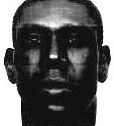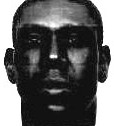
Forensic & Criminological Matrix
| Parameter | Forensic Detail |
|---|---|
| Forensic Heading / Aliases | None recorded |
| Legal Identity | John Thomas Satterwhite |
| Confirmed Victims | 1 |
| Attributed / Indicted Victims | 1 |
| Active Timeline | 1970-1979 |
| Jurisdiction / Area of Operations | San Antonio, Texas, USA |
| Criminological Classification | Predatory murderer / Robbery-homicide |
| Forensic Modus Operandi | Summary execution of witnesses following armed robbery |
| Weapon / Mechanism of Death | Firearm (handgun) |
| Motive / Behavioral Dynamics | Financial gain and witness elimination |
| Judicial Outcome | Executed by lethal injection |
1. Background and Profile
John Thomas Satterwhite (1947-2000) was a career criminal with a long history of violent offenses, including burglary and armed robbery. His behavioral history included severe aggression, such as throwing boiling water on a prison guard and shooting his stepfather in 1978. Experts noted his lack of regard for human life and violent tendencies.
2. Crime Spree
On March 12, 1979, Satterwhite and his accomplice, Sharon Renne Bell, robbed the Lone Star Ice and Food Store in San Antonio. After securing $600 from the register and safe, Satterwhite executed the clerk, Mary Francis Davis, by shooting her twice in the head to ensure no witnesses remained.
3. Investigation and Arrest
The following day, police stopped Satterwhite for speeding. The murder weapon was found in his vehicle. Sharon Bell eventually confessed to her involvement and identified Satterwhite as the shooter, providing crucial testimony regarding the victim's final pleas for mercy.
4. Legal Proceedings and Outcome
Satterwhite was sentenced to death. After a 1988 Supreme Court reversal due to psychiatric evaluation errors, he was retried and sentenced to death again. Despite international appeals from the European Union citing mental health concerns, the execution proceeded as scheduled.
5. Psychiatric Evaluation and Final Disposition
Satterwhite was executed by lethal injection on August 16, 2000, in Huntsville, Texas. He declined a final statement in the death chamber but had previously contacted the media to express remorse, while remaining evasive regarding his specific role in the murder.