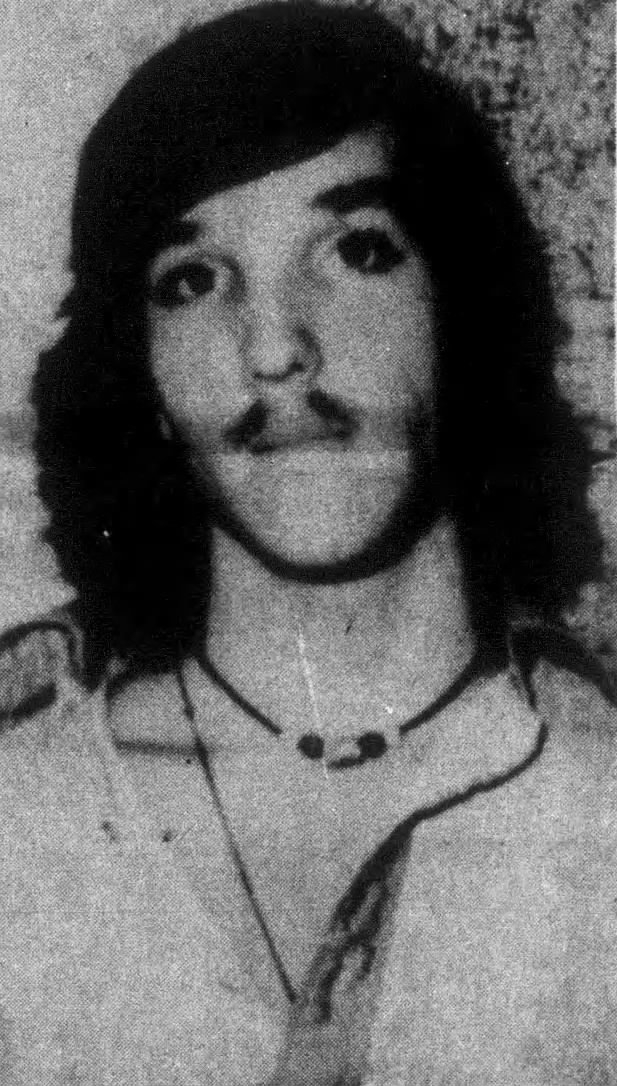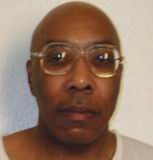
Forensic & Criminological Matrix
| Parameter | Forensic Detail |
|---|---|
| Forensic Heading / Aliases | null |
| Legal Identity | Andrew Sasser |
| Confirmed Victims | 1 |
| Attributed / Indicted Victims | 1 |
| Active Timeline | 1988-1993 |
| Jurisdiction / Area of Operations | Miller County, Arkansas |
| Criminological Classification | Sexual murderer / Violent offender |
| Forensic Modus Operandi | Kidnapping, sexual assault, and homicide via bladed weapon |
| Weapon / Mechanism of Death | Knife and blunt force trauma |
| Motive / Behavioral Dynamics | Sexual violence and coercive control |
| Judicial Outcome | Sentenced to death (later commuted/appealed) |
1. Background and Psychopathy
Born on October 21, 1964, Andrew Sasser had a documented history of violent crime. In 1988, he attacked Jackie Carter, a clerk at an E-Z Mart in Lewisville, Arkansas. He was convicted of second-degree battery, kidnapping, and rape, establishing a clear pattern of targeting lone female employees.
2. Crime Spree
On July 12, 1993, Sasser entered an E-Z Mart in Garland City, Arkansas, where Jo Ann Kennedy was working alone. He forced her to remove her clothing and subjected her to a brutal assault involving multiple stab wounds and blunt-force head injuries. Kennedy managed to exit the store before collapsing and dying on the sidewalk. Forensic evidence confirmed the attack was an attempted rape and kidnapping.
3. Investigation and Arrest
Witnesses Jeanice Pree and Gloria Jean Williams observed the struggle and alerted 911. Police found significant physical evidence, including the victim's clothing in the men's restroom and blood spatter throughout the store. Sasser was interrogated by law enforcement and provided a statement admitting to the struggle, though he denied the attempted rape.
4. Legal Proceedings and Outcome
Sasser was sentenced to death on March 3, 1994. The prosecution successfully introduced evidence of his 1988 attack to establish a modus operandi. Despite numerous appeals regarding ineffective assistance of counsel and jury instructions, his conviction was upheld by the Arkansas Supreme Court. The case has involved extensive federal habeas corpus litigation, including claims regarding mental capacity.