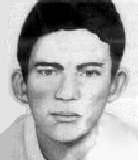
Forensic & Criminological Matrix
| Parameter | Forensic Detail |
|---|---|
| Forensic Heading / Aliases | Darquez |
| Legal Identity | Domingo Salazar |
| Confirmed Victims | 16 |
| Attributed / Indicted Victims | 16 |
| Active Timeline | October 11, 1956 |
| Jurisdiction / Area of Operations | San Nicolas, Roxas, Palawan, Philippines |
| Criminological Classification | Mass Murderer |
| Forensic Modus Operandi | Stabbing with spear and bolo in residential settings |
| Weapon / Mechanism of Death | Spear and bolo knife |
| Motive / Behavioral Dynamics | Vindicatory honor / Pathological jealousy |
| Judicial Outcome | Death penalty (1956), commuted to reclusion perpetua (1959) |
1. Background and Profile
Domingo Salazar, a Moro native from Zamboanga, lived in San Nicolas, Roxas, Palawan, with his common-law wife, Maxima Pacho. He harbored deep-seated suspicions regarding an alleged affair between his wife and his brother-in-law, Fortunato Nares, believing the child she was carrying was not his own.
2. Crime Spree
On October 11, 1956, armed with a spear and a bolo, Salazar began a killing rampage. He murdered his pregnant sister-in-law, Romana Pacho, followed by his wife, Maxima, and his nephew, Fortunato Nares Jr. He then systematically entered four houses, killing all occupants. He wounded Manuel Adion at a school compound and attempted to breach the schoolhouse, but was thwarted by the teacher.
3. Investigation and Arrest
Salazar eventually retreated to a chapel, ringing the bell to summon villagers and demanding his own death. He was apprehended by local guards and a barrio officer through a ruse involving a document he was asked to sign, which allowed them to disarm him.
4. Legal Proceedings and Outcome
Salazar was found sane by the Puerto Princesa Hospital. He pleaded guilty to the charges. While initially sentenced to death for each of the 16 murders, the Supreme Court of the Philippines commuted his sentence to reclusion perpetua in 1959, citing his confession as a mitigating factor.