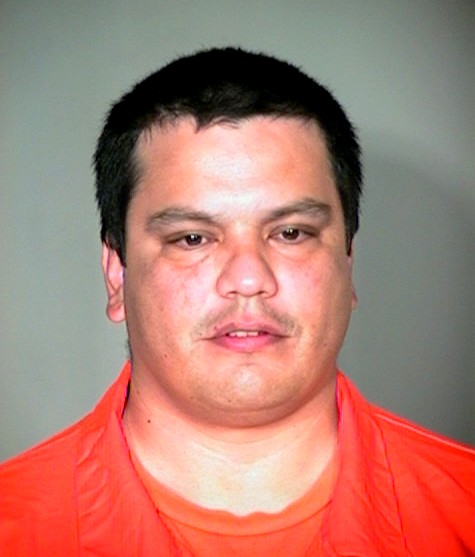
Forensic & Criminological Matrix
| Parameter | Forensic Detail |
|---|---|
| Forensic Heading / Aliases | None |
| Legal Identity | Alfonso Raymond Salazar |
| Confirmed Victims | 1 |
| Attributed / Indicted Victims | 1 |
| Active Timeline | July 25, 1986 |
| Jurisdiction / Area of Operations | Tucson, Arizona, USA |
| Criminological Classification | Murderer |
| Forensic Modus Operandi | Forced entry via window bars and strangulation |
| Weapon / Mechanism of Death | Telephone cord |
| Motive / Behavioral Dynamics | Robbery-homicide |
| Judicial Outcome | Sentenced to death |
1. Background and Profile
Alfonso Raymond Salazar (born August 25, 1963) is an American offender responsible for a violent home invasion and murder in Arizona. His criminal behavior demonstrates a high level of aggression and disregard for human life, specifically targeting vulnerable elderly victims.
2. Crime Spree
On July 25, 1986, Salazar and his accomplice, Michael Davis, targeted the residence of 83-year-old Sarah Kaplan in Tucson. The perpetrators gained entry by pulling the wrought iron bars from a window. The victim, who was physically frail, was beaten and subsequently strangled with a telephone cord. Forensic evidence at the scene was overwhelming, including fingerprints from both men, with one of Salazar's prints found in blood.
3. Investigation and Arrest
Law enforcement officials in Pima County conducted a thorough investigation. The physical evidence recovered from the crime scene, specifically the blood-stained fingerprints, provided the necessary forensic link to secure the arrest and conviction of both Salazar and Davis.
4. Legal Proceedings and Outcome
The trial commenced on December 2, 1987, presided over by Judge Gilbert Veliz. Prosecutors Jesse Figueroa and Kathleen Mayer successfully argued the case, leading to a guilty verdict on December 14, 1987. On February 9, 1988, Salazar was sentenced to death, with the court citing the heinous, cruel, and depraved nature of the crime as aggravating circumstances. The conviction was later upheld in the published opinion State v. Salazar, 173 Ariz. 399 (1992).