



Forensic & Criminological Matrix
| Parameter | Forensic Detail |
|---|---|
| Forensic Heading / Aliases | null |
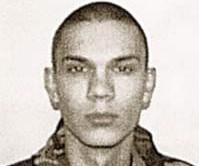
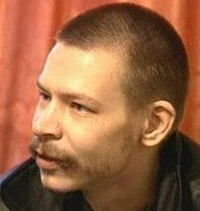
| Legal Identity | Artur Ryno |
| Confirmed Victims | 20 |
| Attributed / Indicted Victims | 37 |
| Active Timeline | August 2006 - October 2007 |
| Jurisdiction / Area of Operations | Moscow, Russia |
| Criminological Classification | Serial killer / Ideological extremist |
| Forensic Modus Operandi | Nocturnal hunting, multiple stabbings, audiovisual recording |
| Weapon / Mechanism of Death | Knife (stabbing) |
| Motive / Behavioral Dynamics | Racial hatred, white supremacy |
| Judicial Outcome | Sentenced to 10 years imprisonment (legal maximum for minors) |
1. Background and Profile
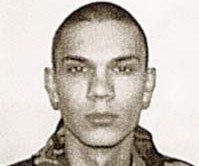
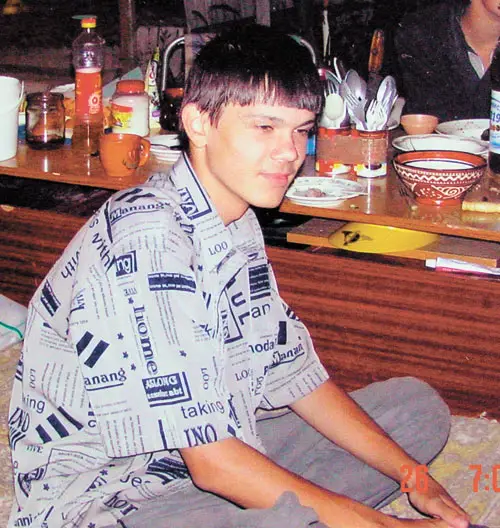
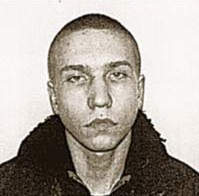
Artur Ryno, born in 1988, emerged as a prominent figure in Russian neo-Nazi extremism. A student at an icon-painting school, Ryno co-led a skinhead gang with Pavel Skachevsky. His radicalization was fueled by intense xenophobia against migrants from the Caucasus and Central Asia, whom he perceived as a threat to Russian society.
2. Crime Spree
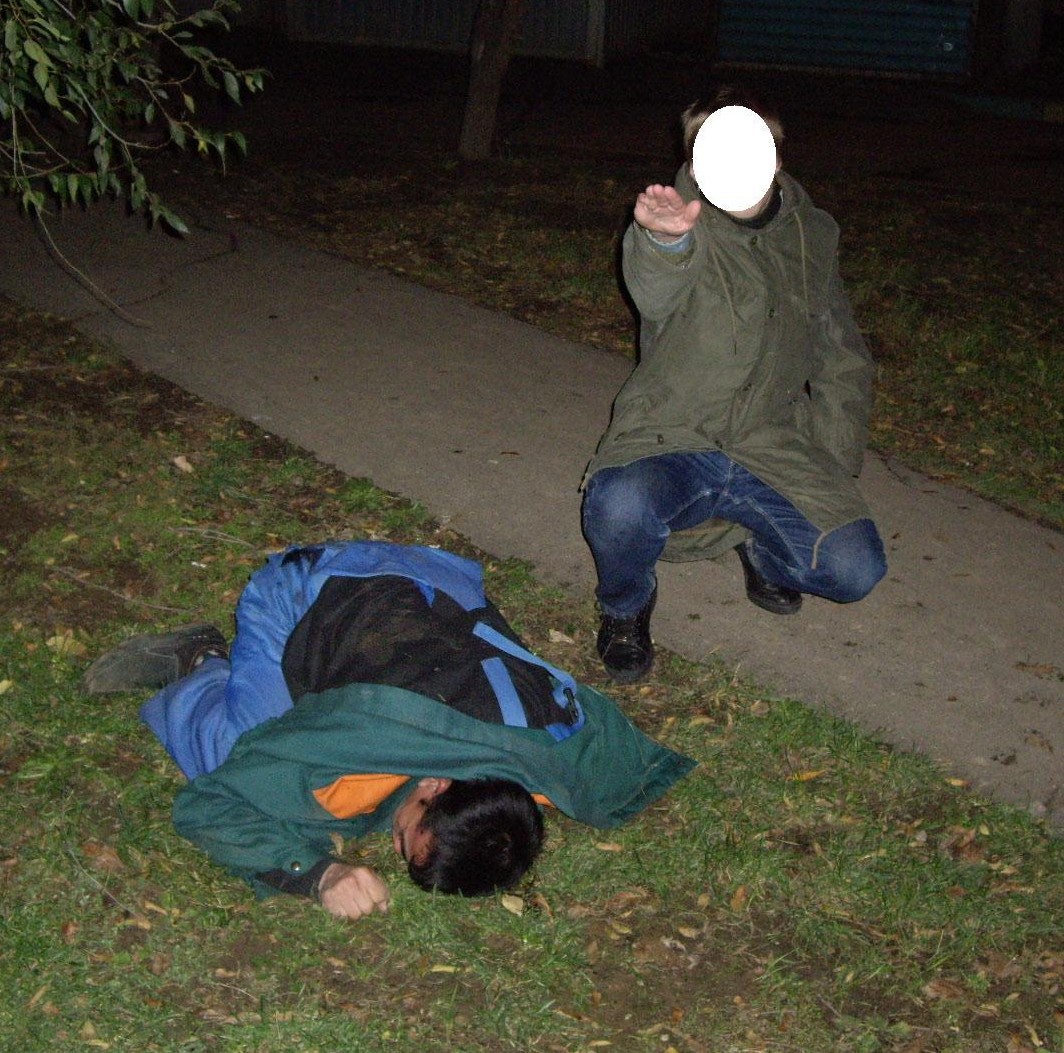
The gang conducted organized 'hunts' in Moscow's residential districts. Victims were targeted solely based on their non-Slavic appearance. The attacks were characterized by extreme violence, involving multiple stab wounds. The group frequently filmed these assaults to document their 'cleansing' of the city, distributing the footage online.
3. Investigation and Arrest
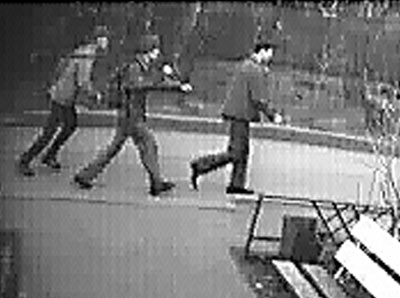
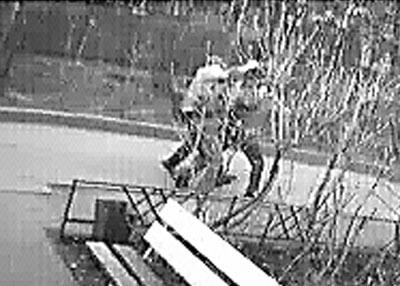
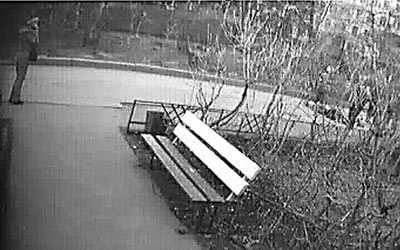
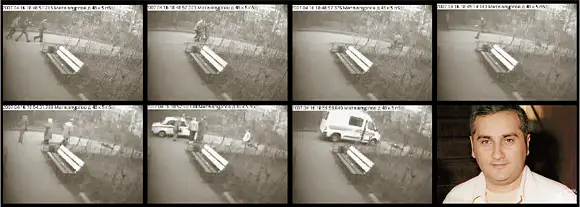
Following the murder of Armenian businessman Karen Abramyan in April 2007, Ryno and Skachevsky were apprehended on a tram. Police found them with blood-stained clothing and the murder weapon. Surveillance footage from the crime scene provided critical evidence that led to their confession and the subsequent unraveling of the gang's criminal network.
4. Legal Proceedings and Outcome
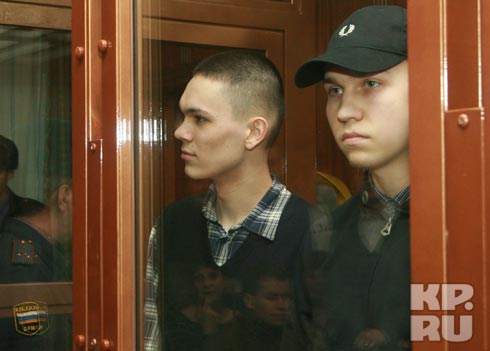
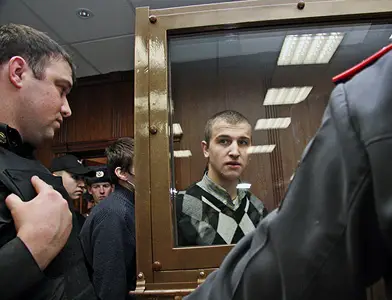
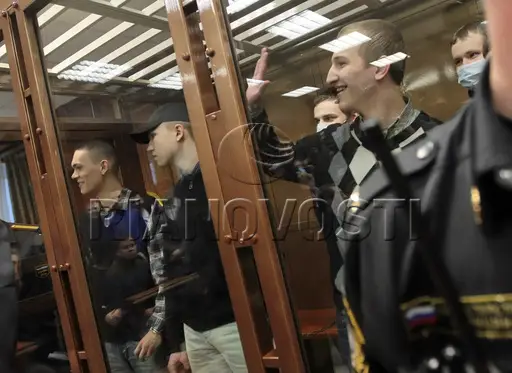
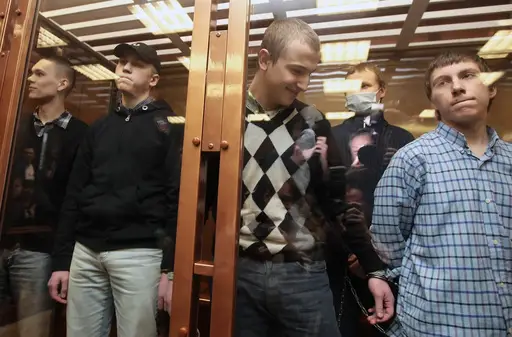
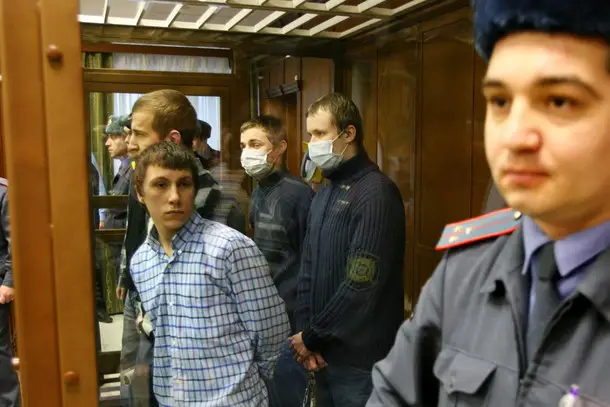
In December 2008, the Moscow City Court sentenced seven gang members. Due to their status as minors at the time of the crimes, Ryno and Skachevsky received the maximum sentence of 10 years in a medium-security penal colony. Other accomplices received harsher sentences, with Roman Kuzin receiving 20 years.
5. Forensic Conclusion
Despite Ryno's initial confession to 37 murders and his subsequent partial retraction, forensic evidence and digital records confirmed his involvement in at least 20 killings. The case remains a significant reference point for the study of hate crimes and youth radicalization in modern Russia.