



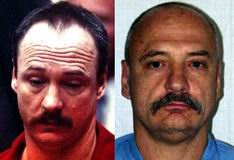
Forensic & Criminological Matrix
| Parameter | Forensic Detail |
|---|---|
| Forensic Heading / Aliases | None |
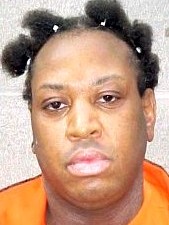
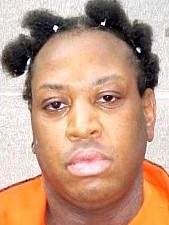
| Legal Identity | Sherman Lee Rutledge |
| Confirmed Victims | 1 |
| Attributed / Indicted Victims | 1 |
| Active Timeline | May 13, 1997 |
| Jurisdiction / Area of Operations | Phoenix and Mesa, Arizona |
| Criminological Classification | Robbery-Homicide |
| Forensic Modus Operandi | Deceptive luring, armed robbery, and arson to destroy evidence |
| Weapon / Mechanism of Death | Firearm (handgun) and knife |
| Motive / Behavioral Dynamics | Pecuniary gain |
| Judicial Outcome | Sentenced to death (2001), commuted to life imprisonment (2004) |
1. Background and Profile
Sherman Lee Rutledge (born November 25, 1971) is an American offender with a documented criminal history. His behavioral pattern indicates a propensity for instrumental violence aimed at financial gain. At the time of the 1997 incident, he had recently been released from state custody.
2. Crime Spree
On May 13, 1997, Rutledge and his younger brother lured Chase Clayton and Ryan Harris into a vehicle robbery scheme. After traveling to Madison Park, the perpetrators initiated a violent assault. Rutledge's brother attacked Clayton with a bottle and a knife, while Rutledge shot and killed Ryan Harris in the passenger seat. Rutledge then attempted to kill Clayton, who escaped despite being shot in the back. The perpetrators fled in the victims' Ford Explorer, which they later burned in Mesa to destroy forensic evidence.
3. Investigation and Arrest
Phoenix Police Department investigators apprehended Rutledge the day after the crime. Despite his denial of involvement, the prosecution successfully utilized a videotaped statement from a witness, Jason Ellis, who had identified Rutledge as the shooter. Although Ellis attempted to recant during the trial, the court admitted the original recording as evidence.
4. Legal Proceedings and Outcome
Rutledge was convicted on September 21, 1999, and sentenced to death on April 12, 2001. Following the U.S. Supreme Court decision in Ring v. Arizona, his sentence was reviewed, and he was resentenced to life in prison on March 3, 2004.
5. Forensic Psychiatry and Conclusion
Defense arguments regarding voluntary intoxication were rejected by the courts. Forensic blood analysis revealed only trace amounts of narcotics, leading the judiciary to conclude that Rutledge possessed the rational capacity to premeditate the murder and the subsequent destruction of evidence.