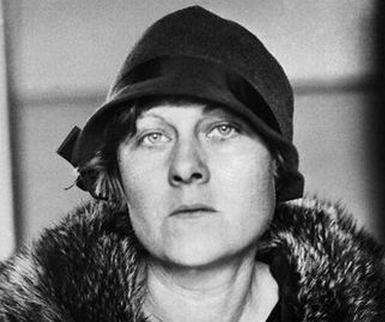





Forensic & Criminological Matrix
| Parameter | Forensic Detail |
|---|---|
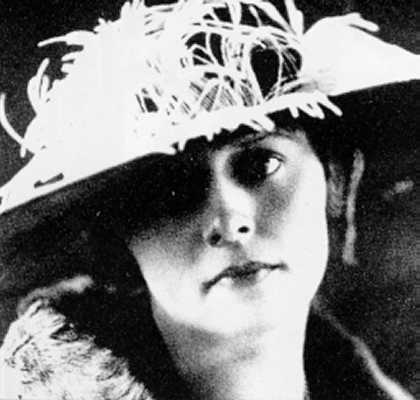
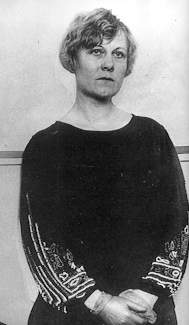
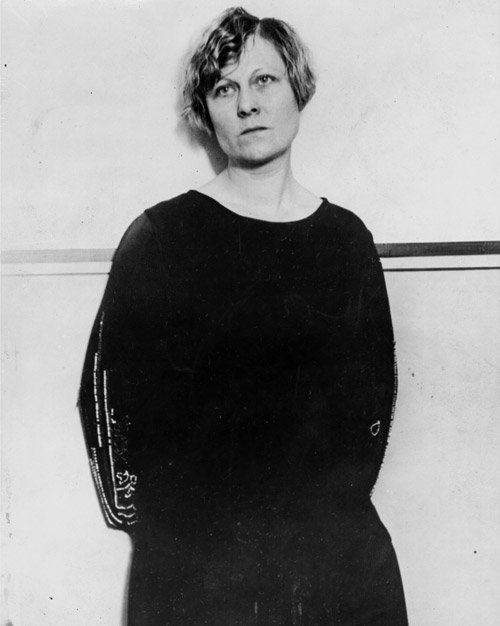
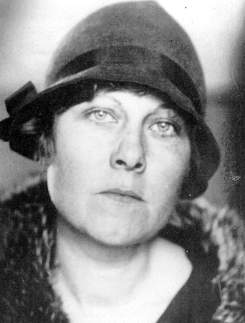
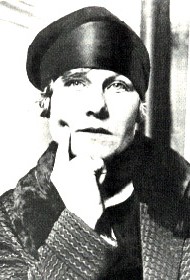
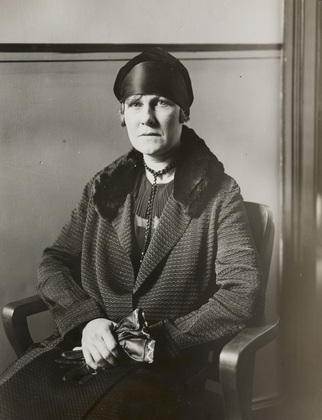
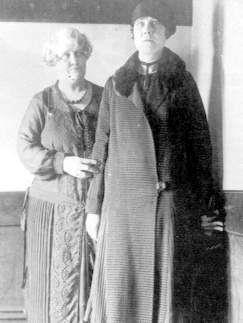
| Full Legal Name | Ruth Brown Snyder |
| Registered Monikers | The Granite Woman, The Dumbbell Murderess |
| Nationality | American |
| Date and Place of Birth | March 27, 1895, Manhattan, New York, United States |
| Date and Place of Death | January 12, 1928, Sing Sing Correctional Facility, Ossining, New York (aged 32) |
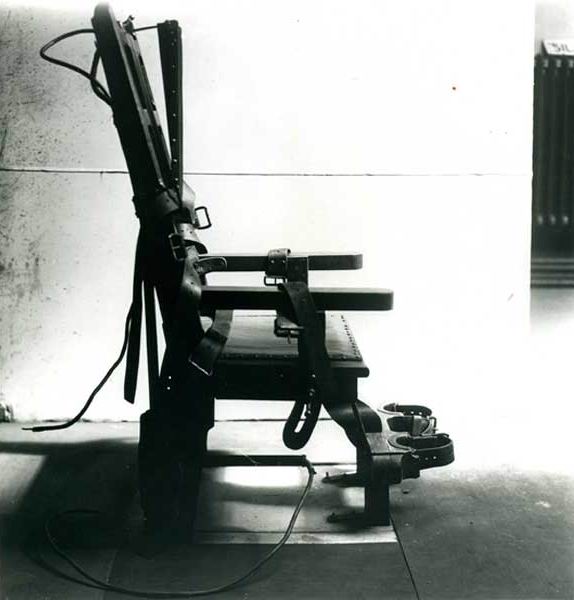
| Cause of Death | Judicial electrocution in the electric chair ("Old Sparky") |
| Criminal Classification | Contractual marital homicide for profit / Conspiratorial murder |
| Date of Crime | March 20, 1927 |
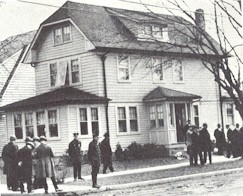
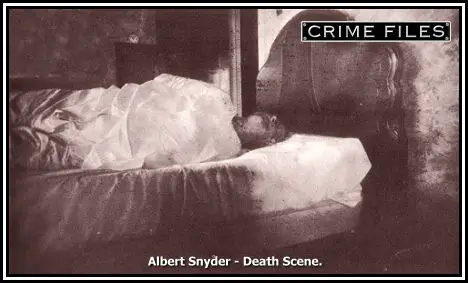
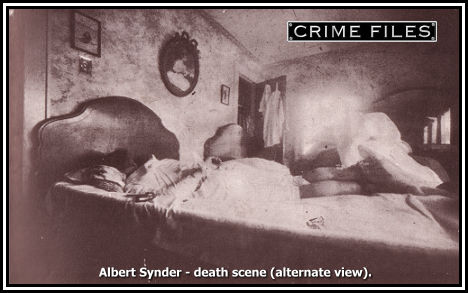
| Crime Scene | Snyder residence in Queens Village, Queens, New York |
| Fatal Victim | Albert Snyder (44 years old, art director for Motor Boating magazine) |
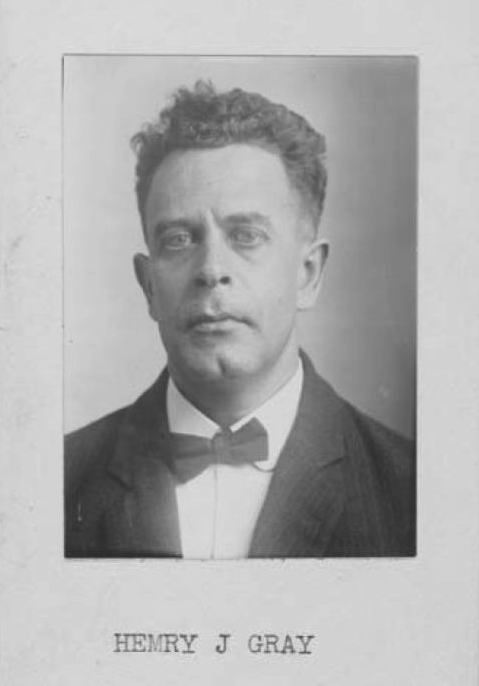
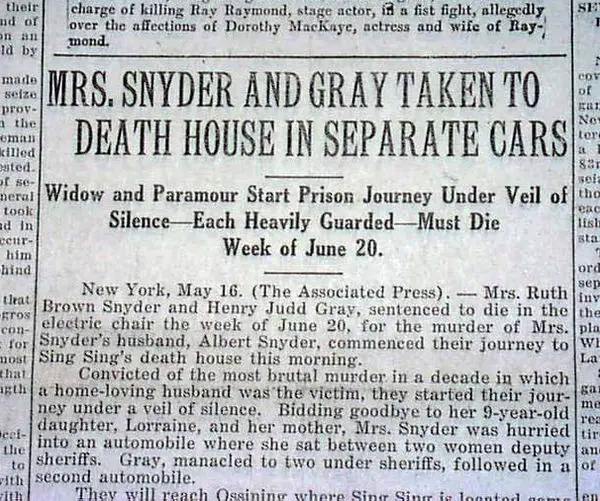
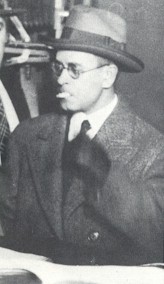
| Accomplice | Henry Judd Gray (married corset salesman and lover, electrocuted the same evening) |
| Motive | Collection of a fraudulent $48,000 life insurance policy with a "double indemnity" accidental death clause |
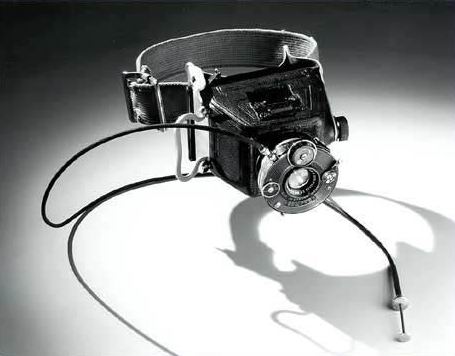
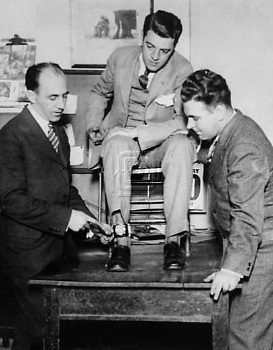
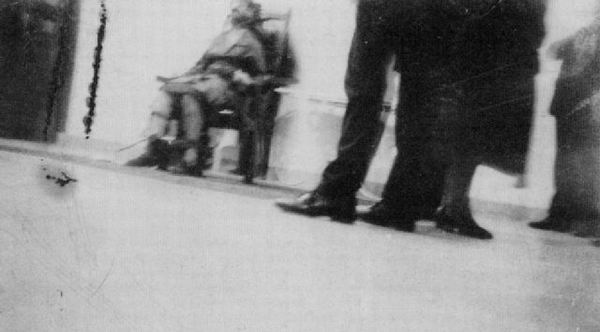
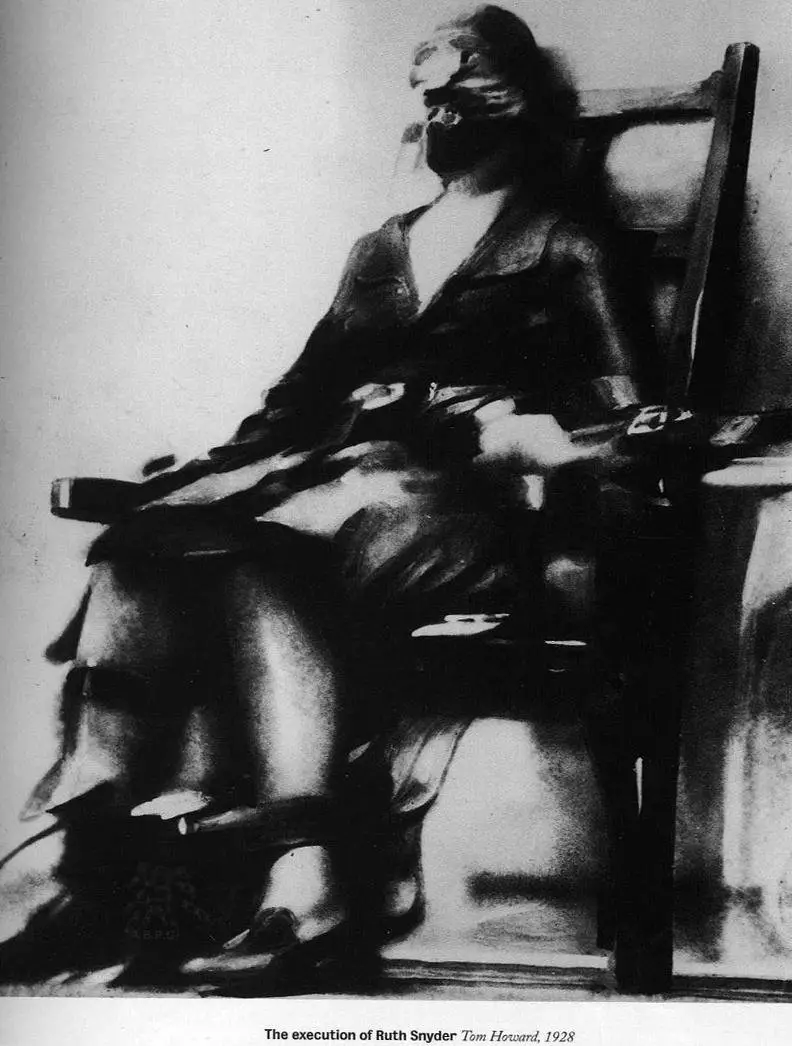
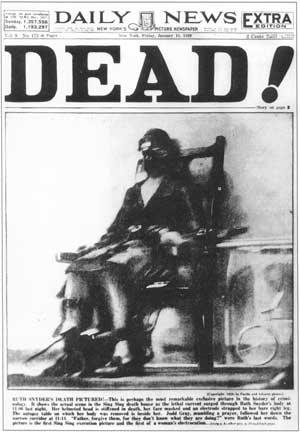
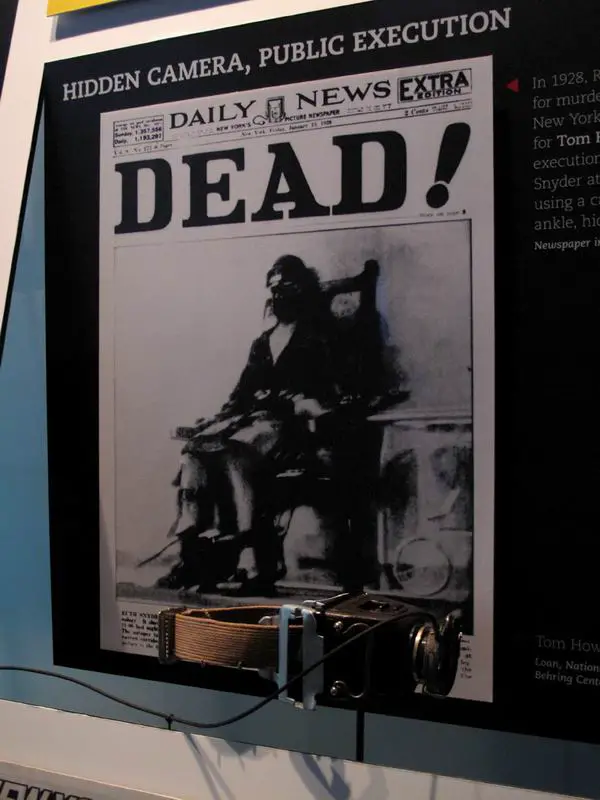
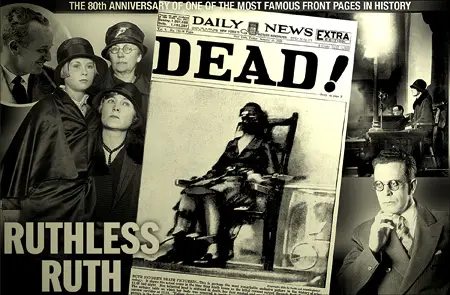
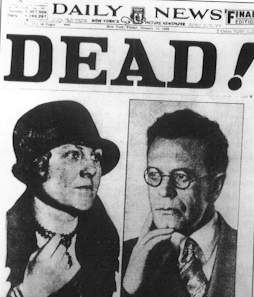
| Media & Literary Significance | Her electrocution was illicitly photographed on Sing Sing's death chair by reporter Tom Howard using an ankle-mounted spy camera, producing the iconic "DEAD!" front-page scoop; inspired James M. Cain's Double Indemnity and The Postman Always Rings Twice |
A Fractured Marriage and the Double Indemnity Plot
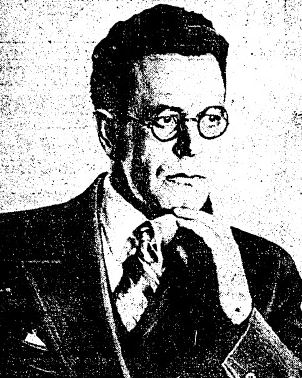
Ruth Brown married Albert Snyder, an introverted art director thirteen years her senior, in 1915. The union deteriorated over Albert's melancholy fixation on a deceased former fiancée and Ruth's appetite for nightlife.
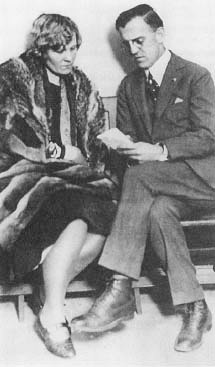
In 1925, Ruth engaged in an extramarital affair with Henry Judd Gray, a mild-mannered corset salesman. Seeking financial independence and freedom from her husband, Ruth persuaded an insurance agent to issue a $48,000 life insurance policy on Albert containing a "double indemnity" provision that paid out double the face value in the event of violent accidental death. She intercepted the postal bills to keep Albert entirely ignorant of the policy.
Failed Poisonings and the Night of the Dumbbell
Prior to the final attack, Ruth attempted to poison Albert at least seven times by administering mercury bichloride in his whiskey, overdosing his food with sleeping tablets, and tampering with gas heaters. When Albert survived these incidents, Ruth coerced Gray into executing a hands-on homicide.
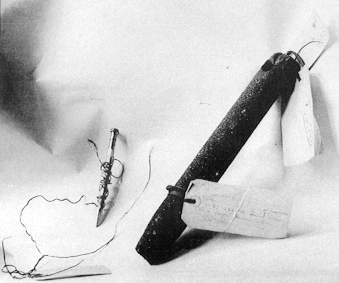
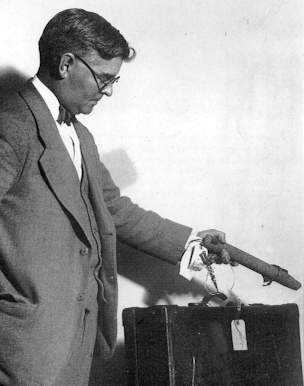
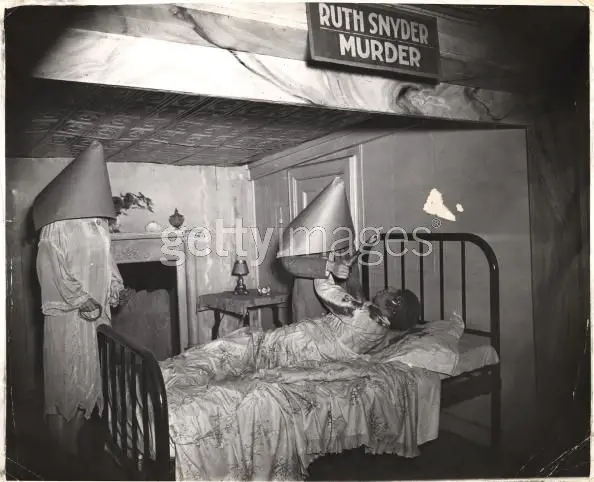
In the early morning hours of March 20, 1927, Ruth admitted Gray into the Queens Village family home while Albert slept. Armed with a heavy five-pound cast-iron dumbbell, chloroform-soaked waste rags, and picture wire, the pair ambushed Albert in his bed.
Albert awoke and resisted violently. Ruth and Gray battered his skull with the dumbbell, clamped the chloroform compress across his face, and twisted wire tight around his neck until he suffocated. The conspirators ransacked the house, staged signs of burglary, and tied Ruth's wrists and ankles in a spare bedroom to fabricate a home invasion.
Interrogation Collapse and Long Island City Trial
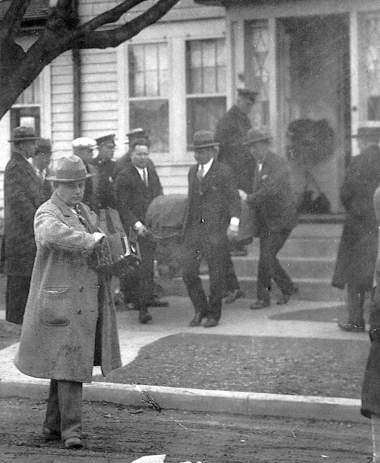
Queens homicide detectives quickly penetrated the staged crime scene. The cords binding Ruth were tied loosely with slipknots; the "stolen" jewelry was found concealed beneath a mattress; and detectives discovered a tie pin inscribed with Judd Gray's initials ("J.G.") on the bedside bureau.
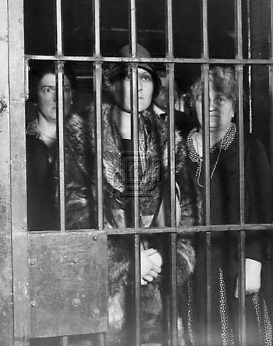
Within hours of questioning, Ruth broke, blaming the entire conspiracy on Gray. Police arrested Gray in Syracuse, whereupon he countered that Ruth had seduced, intoxicated, and pressured him into executing the killing.
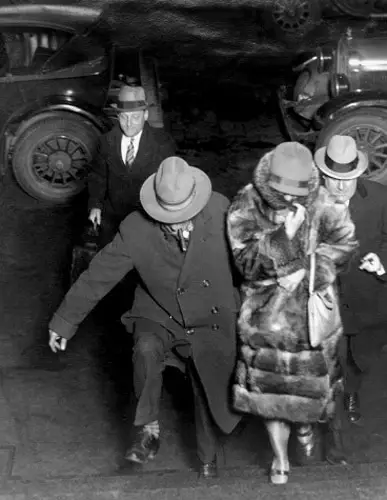
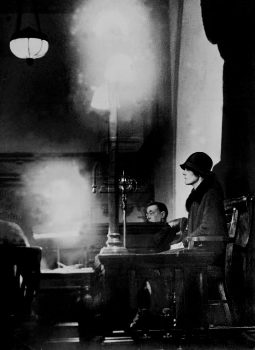
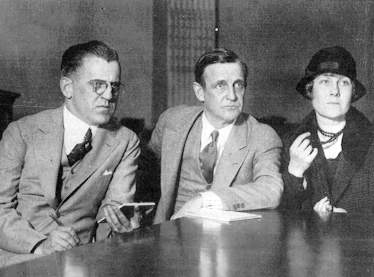
Their sensational trial at Long Island City in April 1927 became a media circus with more than 100 reporters filling the courtroom. With both defendants attempting to shift sole culpability to each other, the jury deliberated briefly before returning first-degree murder convictions against both on May 9, 1927.
The Sing Sing Execution and the Ankle-Camera Scoop
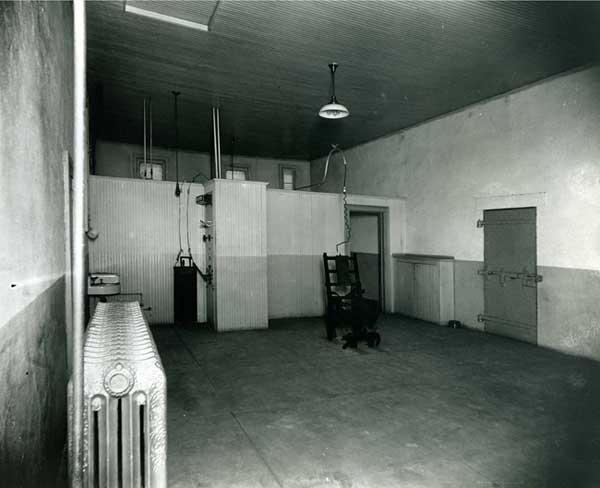
On January 12, 1928, Ruth Snyder was strapped into the Sing Sing electric chair at 11:01 PM, becoming the first woman executed in New York State since 1899. Judd Gray was electrocuted minutes later.
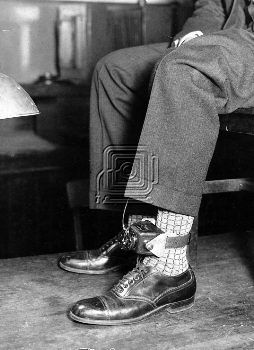
During the execution, New York Daily News photographer Tom Howard, who had smuggled a concealed miniature camera strapped to his right ankle with a shutter cable running into his pocket, lifted his trouser cuff and triggered an exposure at the exact moment the 2,000-volt jolt surged through Snyder. The resulting front-page image captioned "DEAD!" became one of the most famous and controversial photojournalism artifacts of the 20th century.