Forensic & Criminological Matrix
| Parameter | Forensic Detail |
|---|---|
| Forensic Heading / Aliases | None |
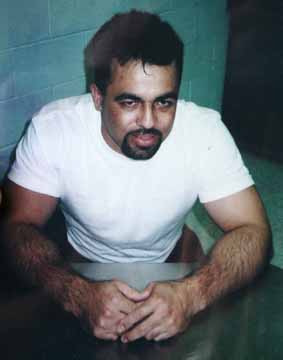
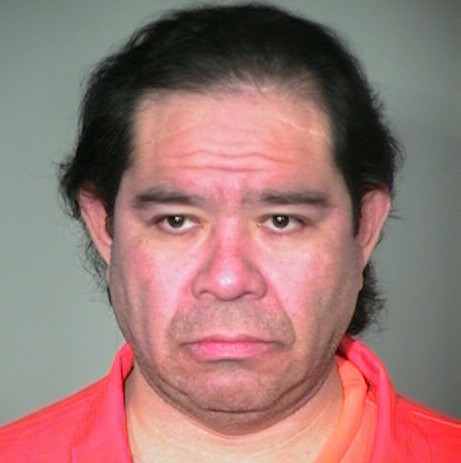
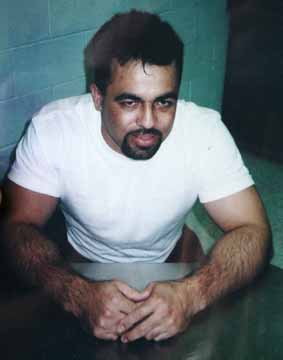
| Legal Identity | Edwin Rios Romero |
| Confirmed Victims | 1 |
| Attributed / Indicted Victims | 1 |
| Active Timeline | 1995 |
| Jurisdiction / Area of Operations | Allentown, Pennsylvania, USA |
| Criminological Classification | Profit-driven murderer / Group offender |
| Forensic Modus Operandi | Ambush, robbery, and mechanical strangulation |
| Weapon / Mechanism of Death | Rope, towel, and physical force |
| Motive / Behavioral Dynamics | Financial gain (robbery) |
| Judicial Outcome | Death penalty (executed) |
1. Background and Profile
Edwin Rios Romero, born in 1964 in New York City, was a criminal offender responsible for the 1995 murder of David Bolasky in Allentown, Pennsylvania. His criminal profile is defined by his leadership role in a premeditated robbery that escalated into a lethal encounter.
2. Crime Spree
On January 3, 1995, Romero and three accomplices—George Ivan Lopez, George Ortiz Barbosa, and Miguel Moreno—lured David Bolasky, a 41-year-old architect, to Moreno's apartment under the guise of paying rent. Upon entry, the victim was held at gunpoint by Lopez. Romero and the others then proceeded to strangle Bolasky, initially using a rope and subsequently a towel, taking turns to ensure the victim's death by asphyxiation.
3. Investigation and Arrest
Bolasky's body was discovered on January 6, 1995, in a wooded area near a secluded road. The victim's body was frozen, and the murder weapon (the towel) was still tied around his neck. Law enforcement quickly identified the perpetrators through the testimony of Miguel Moreno, who admitted to orchestrating the robbery.
4. Legal Proceedings and Outcome
In March 1996, a jury convicted Romero and Lopez of first-degree murder, robbery, and theft. Both were sentenced to death. Barbosa and Moreno received prison sentences in exchange for their cooperation. Despite multiple appeals and stays of execution, Romero's death sentence was upheld by the Pennsylvania Supreme Court, leading to his eventual execution.