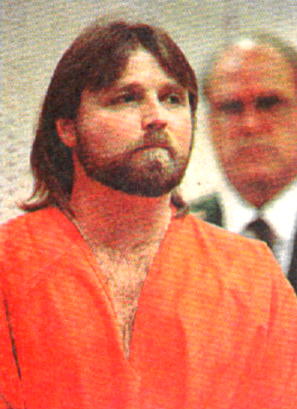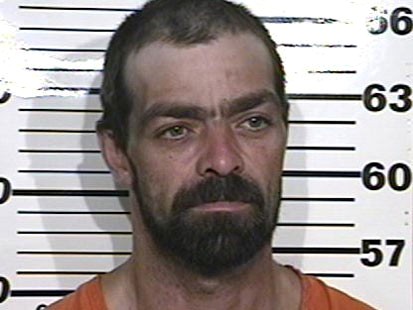





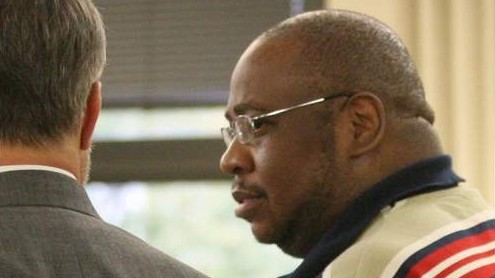
Forensic & Criminological Matrix
| Parameter | Forensic Detail |
|---|---|
| Forensic Heading / Aliases | The Cross-Country Killer, The Casanova Killer |
| Legal Identity | Glen Edward Rogers |
| Confirmed Victims | 2 |
| Attributed / Indicted Victims | 5+ (up to 70 claimed) |
| Active Timeline | 1993 - 1995 |
| Jurisdiction / Area of Operations | California, Mississippi, Kentucky, Florida, Louisiana |
| Criminological Classification | Serial Killer / Spree Killer |
| Forensic Modus Operandi | Luring in bars, seduction, strangulation or stabbing, concealment in bathtubs or vehicles |
| Weapon / Mechanism of Death | Knife, manual strangulation |
| Motive / Behavioral Dynamics | Sexual sadism, impulsivity |
| Judicial Outcome | Sentenced to death in Florida (1997) and California (1999) |
1. Background and Profile
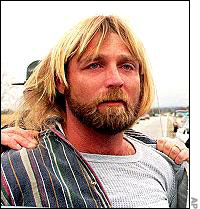
Born on July 15, 1962, in Hamilton, Ohio, Glen Edward Rogers exhibited a history of volatile behavior and run-ins with the law. His background as a carnival worker and construction laborer provided him with the mobility required for his cross-country crimes. He was known for his superficial charm, which he weaponized to gain the trust of his victims.
2. Crime Spree
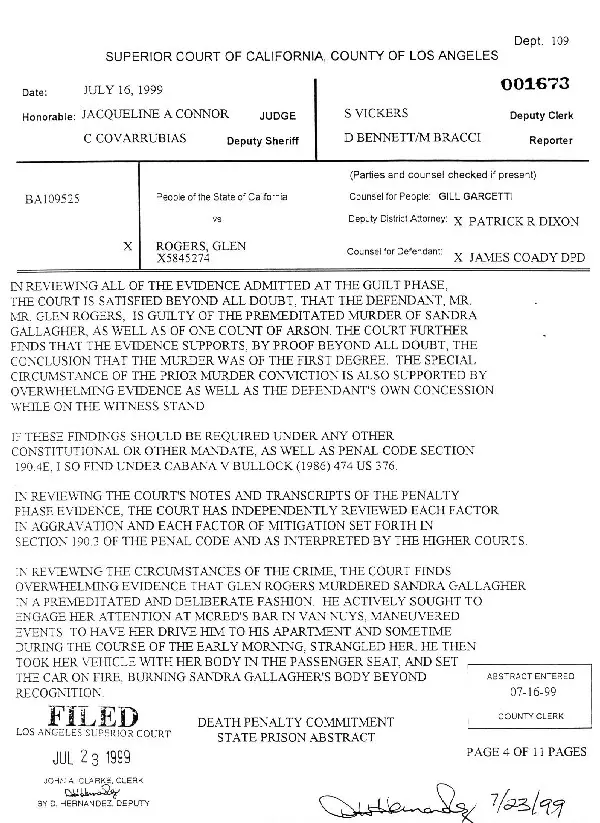
Rogers' criminal activity peaked in 1995. His modus operandi involved picking up women in bars, often under the guise of needing a ride or companionship. He would then murder them, frequently leaving their bodies in bathtubs or burning their vehicles to destroy forensic evidence. His confirmed victims include Tina Marie Cribbs and Sandra Gallagher.
3. Investigation and Arrest
Following the murder of Tina Marie Cribbs in Tampa, Florida, law enforcement utilized fingerprint evidence found at the crime scene and in the victim's wallet to identify Rogers. He was apprehended on November 13, 1995, in Kentucky, while in possession of the victim's vehicle.
4. Legal Proceedings and Outcome
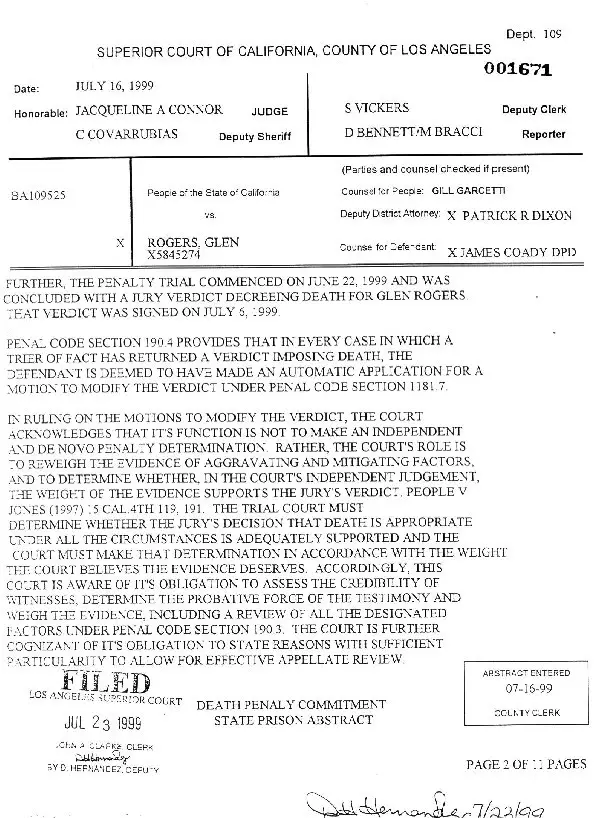
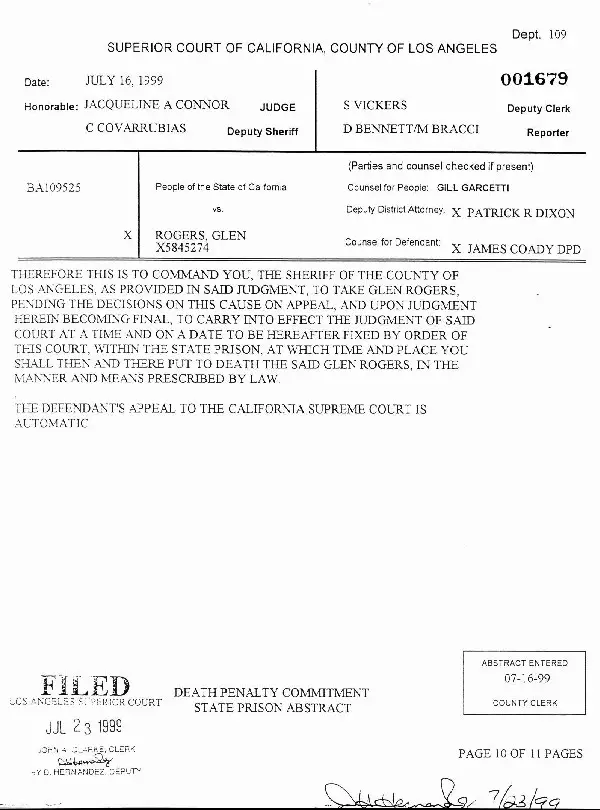
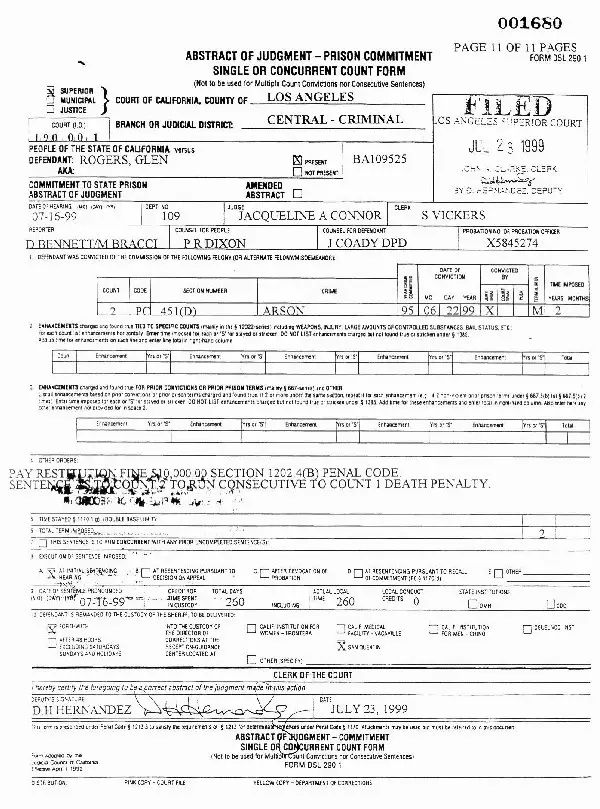
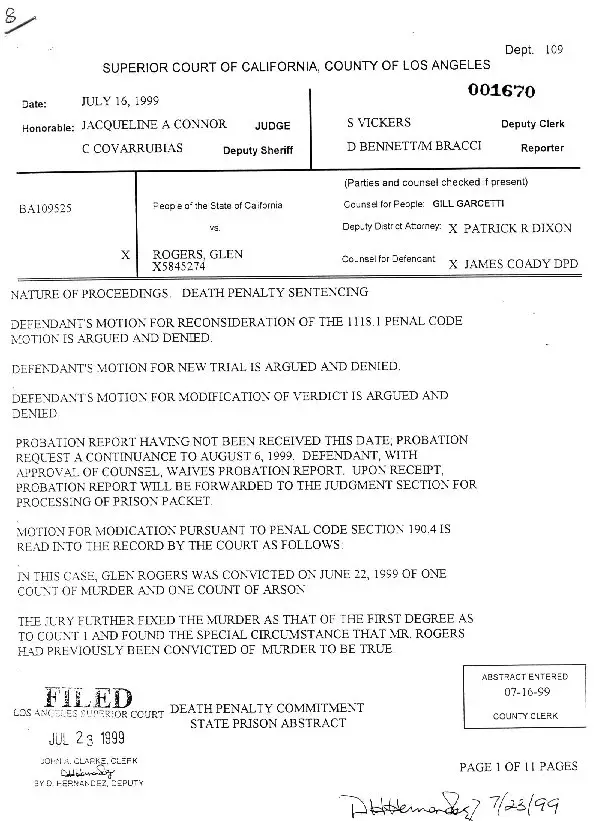
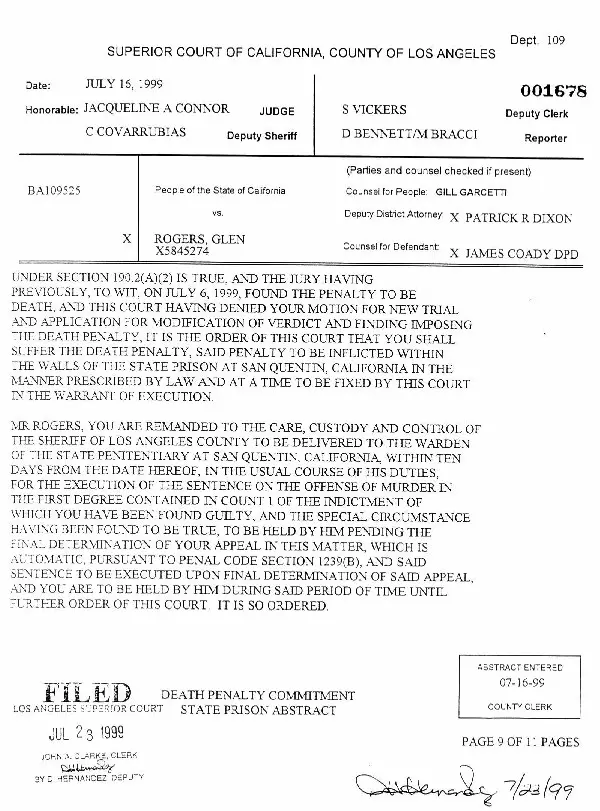
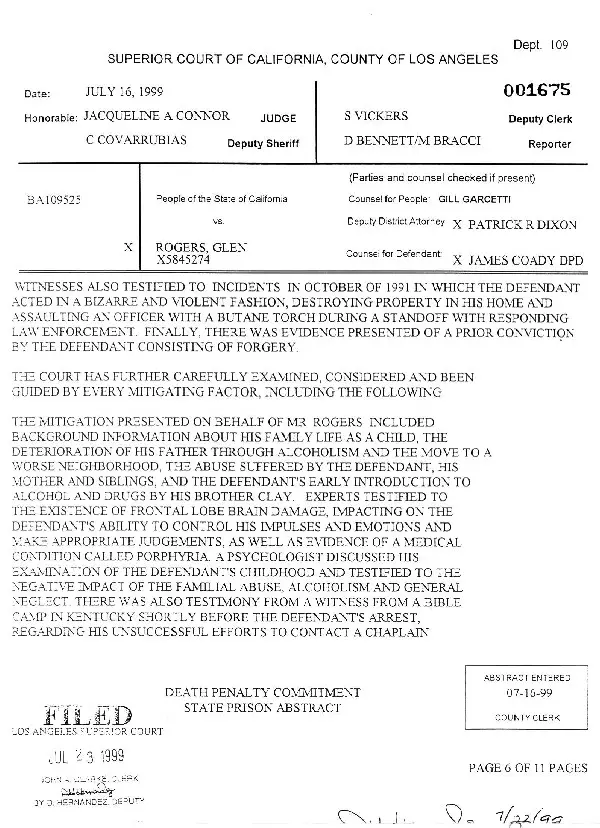
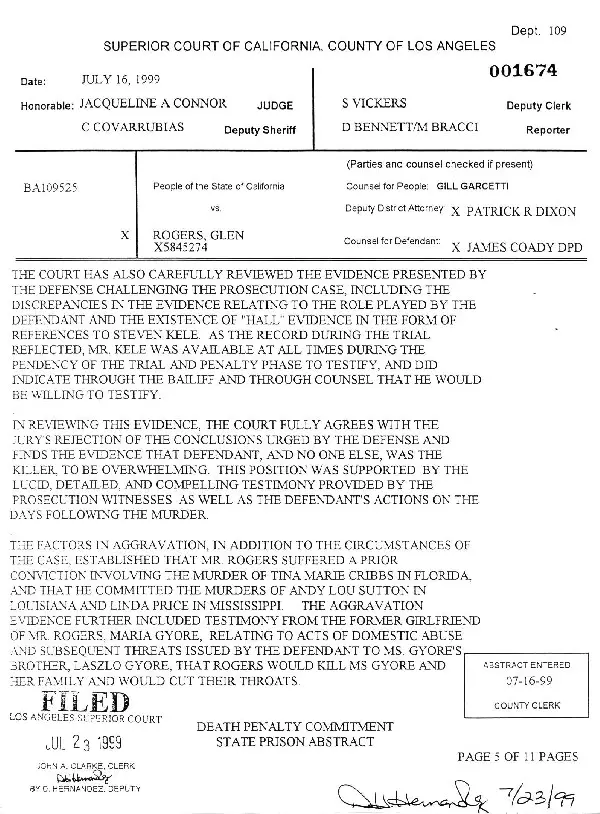
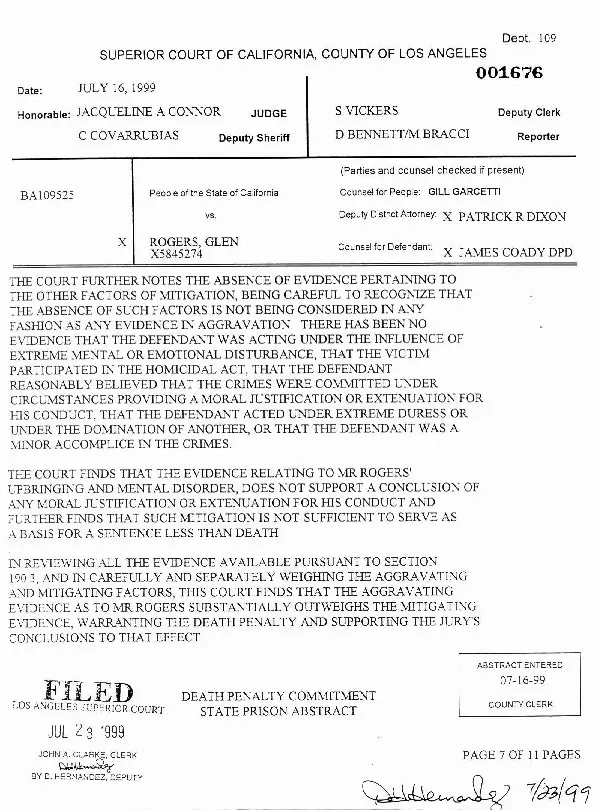
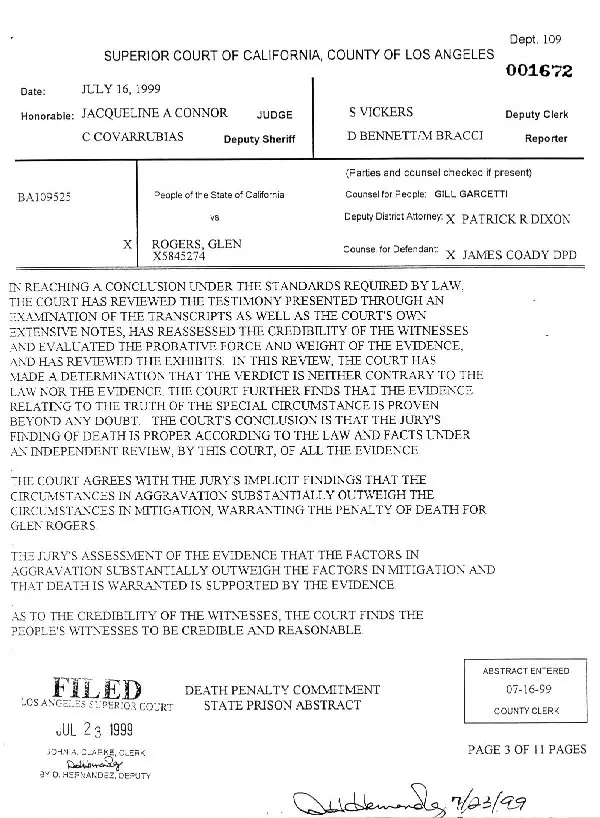
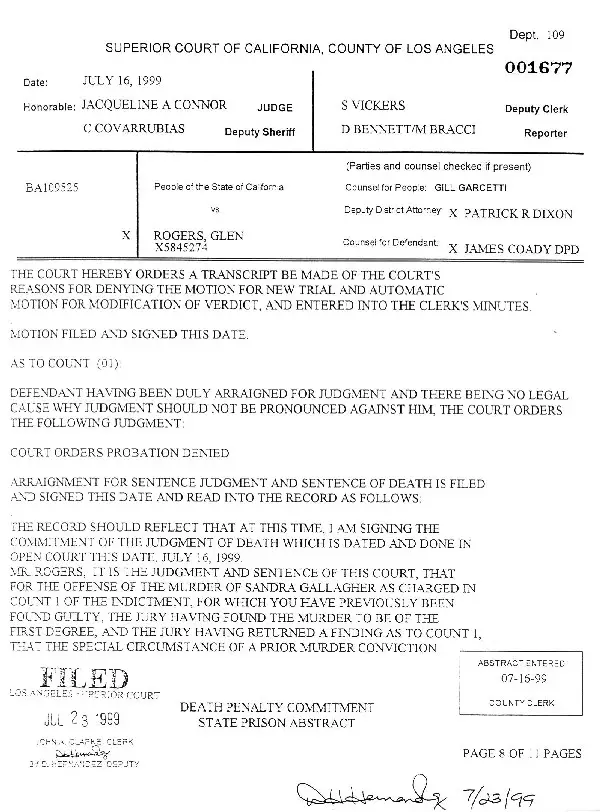
Rogers faced multiple trials across different states. He was convicted and sentenced to death in Florida in 1997 for the murder of Tina Marie Cribbs. In 1999, he was convicted and sentenced to death in California for the murder of Sandra Gallagher. He remains incarcerated, awaiting the finality of his legal appeals.
5. Psychiatric Evaluation and Conclusion
Rogers' claims of having killed up to 70 people remain unverified and are largely considered hyperbolic. Forensic evaluations highlight his impulsive, sadistic nature and his ability to manipulate social situations to facilitate his crimes.