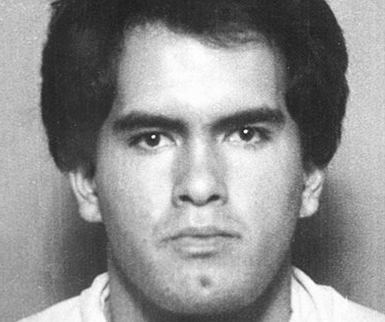



Forensic & Criminological Matrix
| Parameter | Forensic Detail |
|---|---|
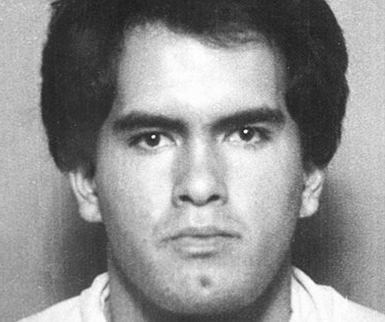
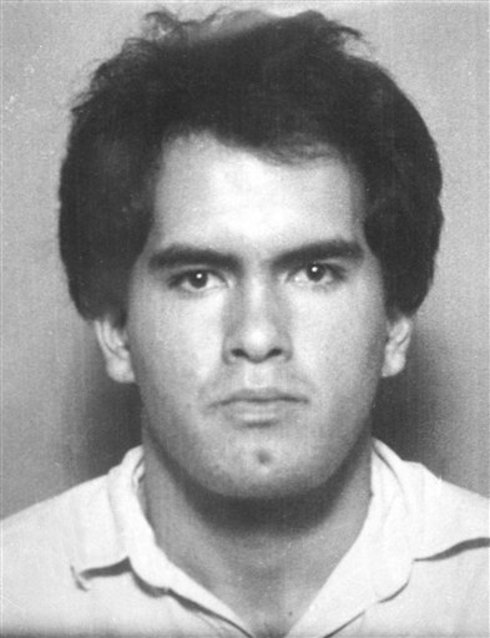
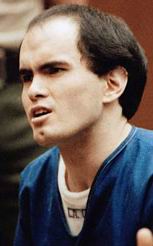
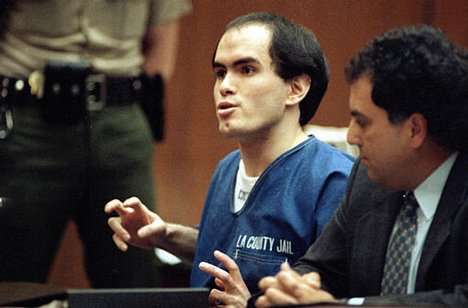
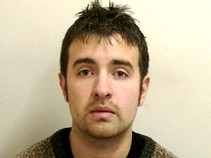
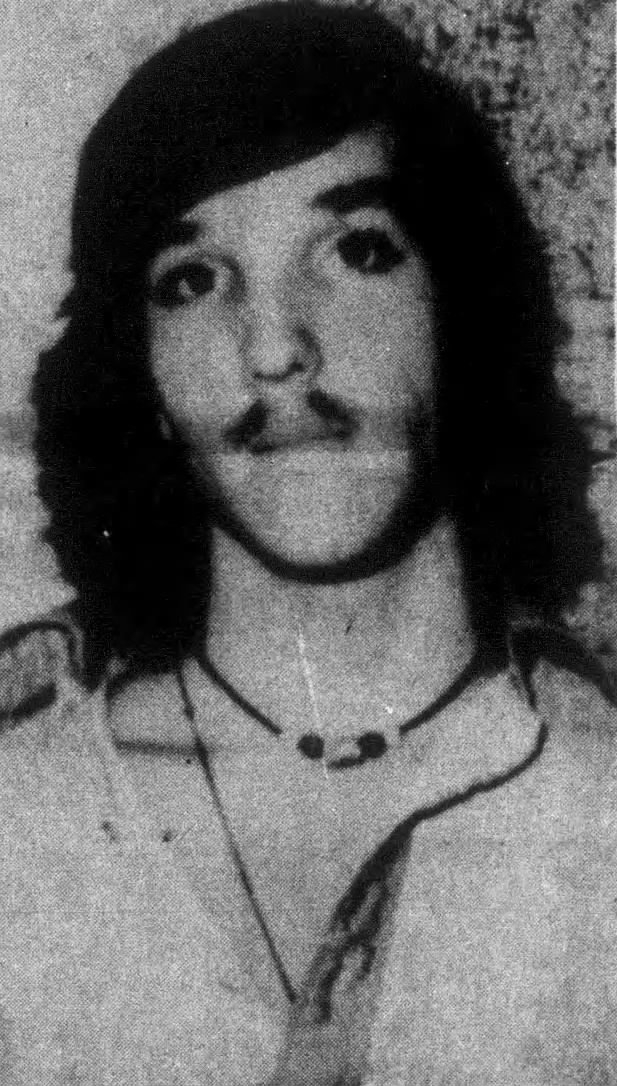
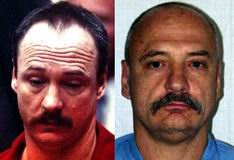
| Full Legal Name | Robert John Bardo |
| Registered Monikers | The Killer of Rebecca Schaeffer, The Celebrity Stalker |
| Nationality | American |
| Date and Place of Birth | January 2, 1970, Vandenberg Air Force Base, California, United States |
| Current Legal Status | Incarcerated serving life without the possibility of parole at Avenal State Prison, California |
| Criminal Classification | Celebrity stalker / Lethal predatory stalker / Erotomanic assassin |
| Date of Offense | July 18, 1989 |
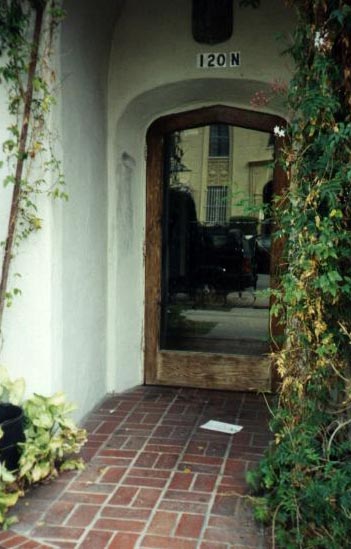
| Location | Entryway of victim's apartment, 120 North Sweetzer Avenue, West Hollywood, Los Angeles, California |
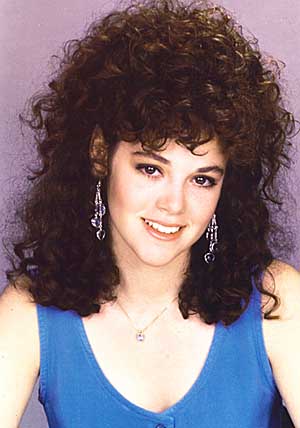
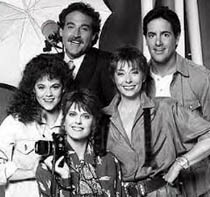
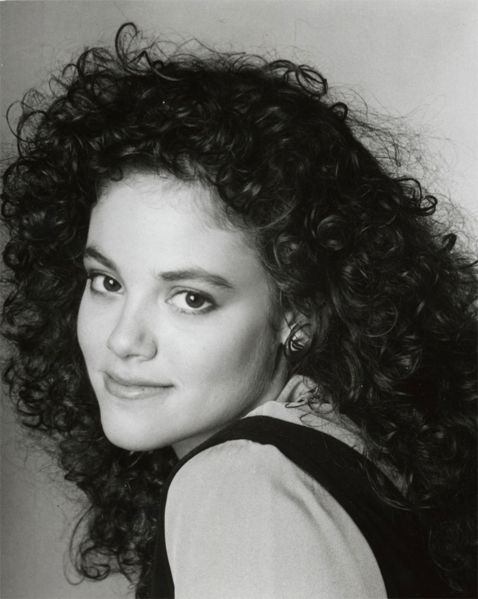
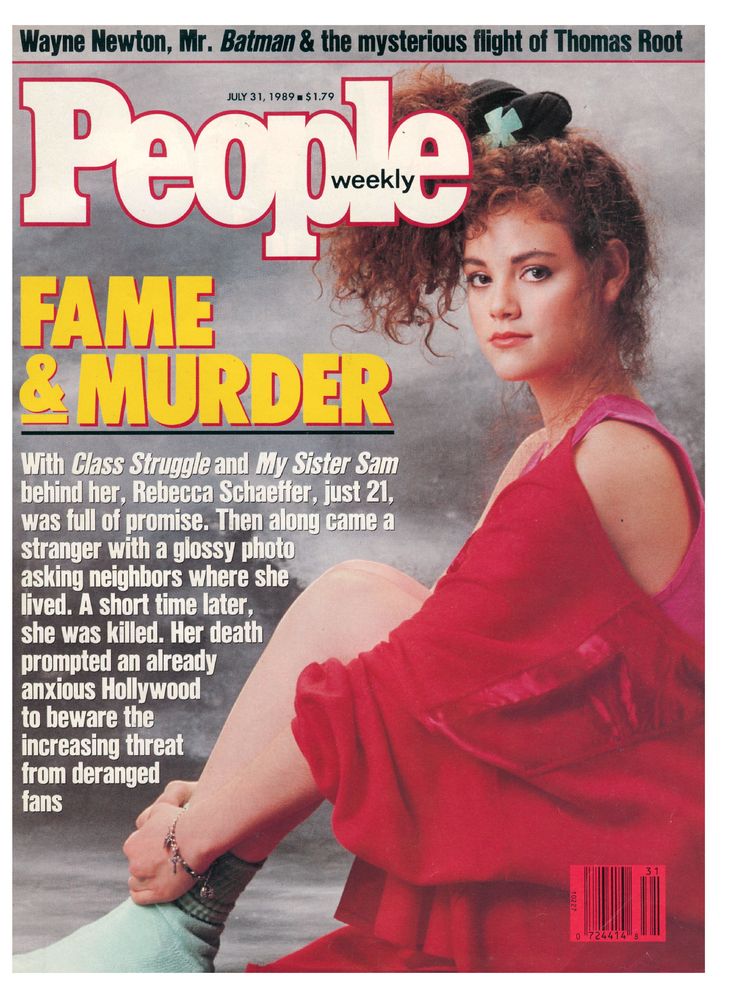
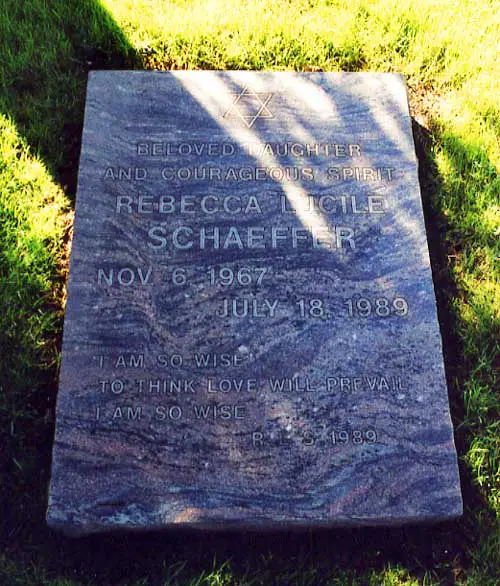
| Fatal Victim | Rebecca Lucile Schaeffer (aged 21, rising star and co-lead of CBS sitcom My Sister Sam) |
| Murder Weapon | Ruger GP100 .357 Magnum revolver |
| Modus Operandi | Sustained three-year stalking campaign; retaining a private investigative firm in Tucson for $250 to obtain the victim's unlisted home address via California Department of Motor Vehicles (DMV) records; traveling via Greyhound bus armed with a loaded revolver and a copy of J.D. Salinger's The Catcher in the Rye; ringing the front door buzzer, engaging in a brief verbal exchange, and subsequently returning to fire a point-blank gunshot into the victim's chest. |
| Psychological Profile | Chronic paranoid schizophrenia and borderline personality disorder characterized by pathological parasocial attachments to public female figures (previously targeted child activist Samantha Smith); delusional entitlement regarding purity and catastrophic rage when confronted with autonomous sexuality. |
| National Legislative Legacy | Catalyst for the California state legislature to enact America's very first anti-stalking legislation (1990) and prompted the United States Congress to pass the federal Driver's Privacy Protection Act (DPPA) of 1994, which made DMV driver registration records confidential. |
Dysfunctional Youth and Parasocial Fixations
Born on a California military base and raised in Tucson, Arizona, Robert John Bardo was the youngest of seven children in an impoverished, dysfunctional household. From early childhood, Bardo exhibited profound emotional disturbances, suicidal ideation, and repeated institutional commitments in adolescent psychiatric facilities.
Socially isolated and unemployed, Bardo formed deep, delusional parasocial fixations on young celebrity women. In 1985, he fixated on Samantha Smith, the schoolgirl peace activist; following her death in a plane crash, Bardo transferred his obsessional worship to 19-year-old actress Rebecca Schaeffer, who starred in the popular CBS sitcom My Sister Sam.
The Escalation Toward Lethality (1986 – 1989)
Between 1986 and 1989, Bardo mailed dozens of letters to Schaeffer and twice traveled to the CBS television studios in Burbank attempting to make contact, only to be turned away by studio security guards.
In early 1989, Bardo watched the dark comedy film Scenes from the Class Struggle in Beverly Hills, in which Schaeffer appeared in a love scene. Perceiving this as personal betrayal, Bardo's erotomanic adoration mutated into punitive rage, deeming her "another Hollywood whore" who required punishment.
Emulating Mark David Chapman's assassination of John Lennon, Bardo hired a Tucson private detective agency, Anthony Zalezka Investigations, which obtained Schaeffer's confidential residential address from California DMV records for a $250 fee. Bardo acquired a .357 Magnum revolver through his older brother and boarded a bus for Los Angeles with The Catcher in the Rye in his pocket.
The Murder of Rebecca Schaeffer (July 18, 1989)
On the morning of Tuesday, July 18, 1989, Bardo walked to Sweetzer Avenue in West Hollywood. He buzzed Schaeffer's apartment. Expecting a courier delivering the script for an audition for Francis Ford Coppola's The Godfather Part III, Schaeffer opened the security door in her bathrobe.
Bardo showed her an autographed photo and spoke briefly; Schaeffer politely requested that he leave as she was preparing for an important meeting. Bardo walked to a nearby diner for breakfast, but became consumed by resentment over her perceived dismissal.
Returning twenty minutes later, Bardo rang her doorbell a second time. When an annoyed Schaeffer opened the door asking what he wanted, Bardo extracted the .357 Magnum from a paper bag and shot her point-blank in the chest. Schaeffer collapsed backward, crying "Why? Why?", and died shortly after arrival at Cedars-Sinai Medical Center.
Apprehension, Trial, and Landmark Legal Reform
Bardo was captured the following day wandering through lanes of Interstate 10 in Tucson, where he immediately confessed to the murder.
Prosecuted by Deputy District Attorney Marcia Clark before Judge Dino Fulgoni in a bench trial, defense attorneys presented extensive psychiatric testimony regarding Bardo's schizophrenia. However, Clark proved calculated premeditation, including the acquisition of the gun and DMV address tracing. In October 1991, Bardo was convicted of first-degree murder with the special circumstance of lying in wait, receiving life imprisonment without parole.
The tragic murder of Rebecca Schaeffer fundamentally transformed American jurisprudence: California enacted the world's first anti-stalking statute in 1990, and in 1994, Congress passed the federal Driver's Privacy Protection Act (DPPA), permanently barring states from releasing private DMV address records to the public.