




Forensic & Criminological Matrix
| Parameter | Forensic Detail |
|---|---|
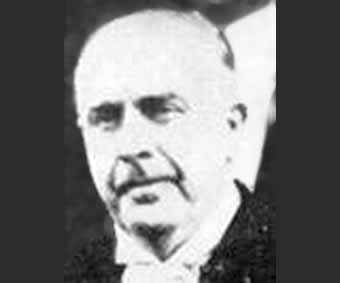
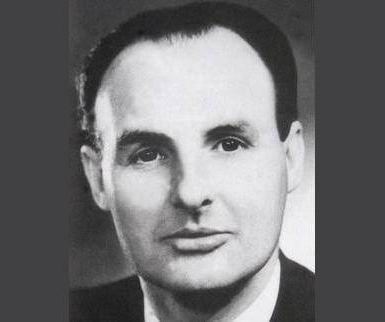
| Full Legal Name | Robert George Clements |
| Registered Monikers | Dr. Clements, The Southport Bluebeard, The Morphine Physician |
| Nationality | British (born in Ireland) |
| Date and Place of Birth | c. 1880, Belfast, Ireland (then United Kingdom) |
| Date and Place of Death | May 30, 1947, Southport, Lancashire, England (aged 67) |
| Cause of Death | Suicide by lethal intravenous injection of morphine prior to imminent arrest |
| Criminal Classification | Greed-motivated serial killer / Medical poisoner / Marital serialist |
| Active Murder Span | 1920 – 1947 (spanning almost three decades) |
| Confirmed Victims | 1 toxicologically established murder (linked to the suspicious deaths of all 4 wives) |
| Deceased Wives | Edith Mercier Cameron (died 1920), Ingeborg Sessions (died 1925), Kathleen Sarah Searles (died 1939), and Amy Victoria Barnett (died May 1947). |
| Lethal Agent Employed | Morphine sulphate administered in deceptive escalating therapeutic doses |
| Modus Operandi | Courting affluent heiresses; ensuring execution of wills naming himself sole beneficiary; inducing gradual physiological decline with heavy opiates while diagnosing obscure ailments; certifying or influencing the medical cause of death to avoid coroner inquests and arranging rapid cremations. |
| Psychological Profile | High-functioning psychopathy, grandiose self-regard, financial parasitic entitlement, and calculating sociopathy cloaked behind aristocratic medical gravitas. |
| Forensic Legacy | The tragedy involved the suicide of the initial examining pathologist, Dr. James Houston, upon realizing he had erroneously signed off on a false diagnosis of leukemia, directly prompting Clements's own suicide. |
Medical Career and the Early Wives
Born in Belfast, Robert George Clements qualified in medicine in 1904 and served as a surgical officer during World War I. Settling into private medical practice in northwest England, Clements recognized that marriage to wealthy heiresses offered the quickest path to lavish social prominence.
In 1912, he wed Edith Mercier Cameron, whose father was a prosperous merchant. In 1920, Edith died unexpectedly of an undocumented gastric ailment; Clements inherited her estate.
In 1921, he married Ingeborg Sessions, aged 25, who succumbed mysteriously to supposed endocarditis in 1925, yielding another financial windfall. In 1928, Clements married Kathleen Sarah Searles, who passed away in 1939 from purported kidney failure. In each instance, Clements arranged swift burials or cremations, ensuring no toxicology screens could be performed.
The Murder of Amy Victoria Barnett (1947)
By 1940, Clements had relocated to the wealthy seaside resort of Southport, Lancashire, marrying 47-year-old Amy Victoria Barnett, the daughter of a wealthy shipping magnate.
In mid-May 1947, Amy fell gravely ill at their home, exhibiting pinpoint pupils, cyanosis, and profound comatose lethargy. Clements admitted her to a local nursing home, alleging she was suffering from acute myeloid leukemia. Amy died on May 27, 1947. Clements swiftly signed the preliminary death certificate attributing death to leukemia and scheduled an immediate cremation.
Toxicological Exposure and Dual Suicides
Nursing home physicians and Barnett's relatives grew alarmed by Clements's haste and persuaded the coroner to halt the cremation for an independent autopsy. Hospital pathologist Dr. James Houston performed a perfunctory examination and mistakenly concurred with Clements's leukemia diagnosis.
However, Lancashire Constabulary detectives brought in Professor J.B. Firth, director of the Home Office Forensic Science Laboratory at Preston. Firth demonstrated conclusively that Amy's blood showed zero cellular evidence of leukemia and detected massive, lethal concentrations of morphine throughout her tissues.
Distraught that his professional negligence had nearly shielded a serial poisoner from justice, Dr. James Houston committed suicide via cyanide ingestion in his hospital laboratory, leaving a note acknowledging his catastrophic diagnostic failure.
Aware that Scotland Yard inspectors were en route to his residence with a capital murder warrant, Dr. Robert George Clements retreated to his bedroom and injected himself with a fatal dose of morphine. Officers broke down the door on the morning of May 30, 1947, discovering his body in bed—concluding the dark career of Britain's foremost medical serial killer of the interwar era.