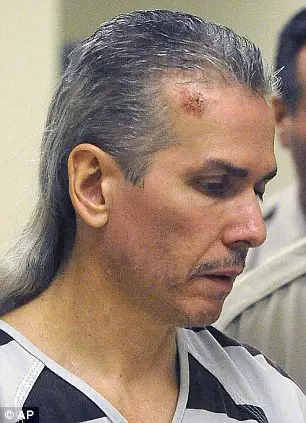
Forensic & Criminological Matrix
| Parameter | Forensic Detail |
|---|---|
| Forensic Heading / Aliases | N/A |
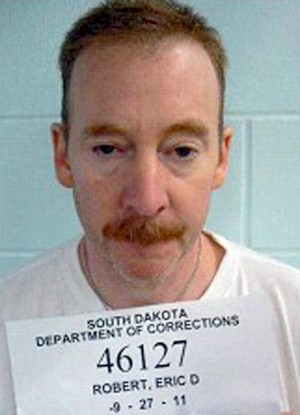
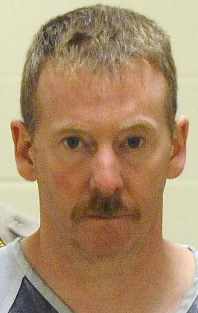
| Legal Identity | Eric Donald Robert |
| Confirmed Victims | 1 |
| Attributed / Indicted Victims | 1 |
| Active Timeline | 2005-2011 |
| Jurisdiction / Area of Operations | Sioux Falls, South Dakota |
| Criminological Classification | Prison murderer / Violent offender |
| Forensic Modus Operandi | Surprise attack with blunt weapon and asphyxiation |
| Weapon / Mechanism of Death | Lead pipe and plastic wrap |
| Motive / Behavioral Dynamics | Prison escape and institutional hostility |
| Judicial Outcome | Death penalty (Executed) |
1. Background and Psychopathy
Eric Donald Robert was born on May 31, 1962. Despite a background as a college-educated professional, Robert exhibited a history of domestic violence and predatory behavior. He was serving an 80-year sentence for a 2005 kidnapping when he orchestrated his final criminal act.
2. Crime Spree
On April 12, 2011, Robert and accomplice Rodney Berget murdered corrections officer Ronald Johnson at the South Dakota State Penitentiary. The attack involved severe blunt force trauma to the head with a lead pipe, followed by asphyxiation using plastic wrap to ensure the victim's silence and death.
3. Investigation and Arrest
Robert attempted to escape the facility by impersonating the victim using his uniform and concealing Berget in a cart. The escape was thwarted by alert correctional staff at the west gate, leading to a violent confrontation and immediate apprehension.
4. Legal Proceedings and Outcome
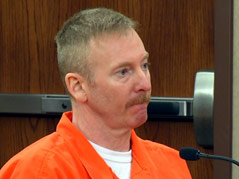
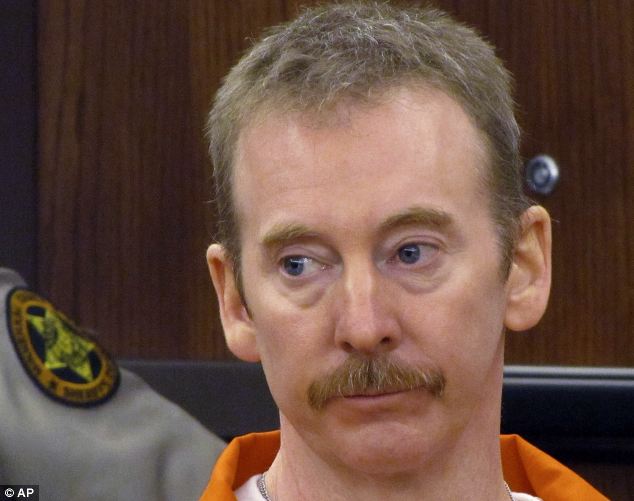
Robert pleaded guilty to first-degree murder and waived all appeals, explicitly requesting the death penalty to avoid further life imprisonment. The court sentenced him to death, citing the calculated nature of the murder and his stated intent to kill again.
5. Forensic Conclusion
Eric Robert was executed by lethal injection on October 15, 2012, at the South Dakota State Penitentiary. His final statement authorized the warden to carry out the sentence, marking the first use of the state's single-drug execution protocol.