Forensic & Criminological Matrix
| Parameter | Forensic Detail |
|---|---|
| Forensic Heading / Aliases | None |
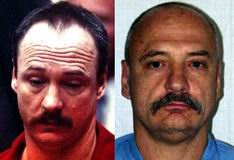
| Legal Identity | Timothy Stuart Ring |
| Confirmed Victims | 1 |
| Attributed / Indicted Victims | 1 |
| Active Timeline | November 28, 1994 |
| Jurisdiction / Area of Operations | Glendale, Maricopa, Arizona |
| Criminological Classification | Profit-motivated murderer / Armored car robber |
| Forensic Modus Operandi | Ambush, use of suppressed firearm |
| Weapon / Mechanism of Death | Ruger 10/22 rifle with homemade suppressor |
| Motive / Behavioral Dynamics | Pecuniary gain |
| Judicial Outcome | Death sentence (subject to landmark Supreme Court review) |
1. Background and Profile
Timothy Stuart Ring (born October 29, 1964) was a former Department of Corrections officer in Arizona. His background in law enforcement and his proficiency as a marksman provided the technical foundation for the calculated robbery he orchestrated.
2. Crime Spree
On November 28, 1994, Ring and his co-conspirators, James Greenham and William Ferguson, targeted a Wells Fargo armored van at the Arrowhead Mall. As the driver, John Magoch, stepped out of the vehicle, Ring shot him in the head. The group stole over $833,000 in cash and checks, later dividing the proceeds at a church parking lot in Sun City.
3. Investigation and Arrest
Police were led to Ring through an informant and subsequent surveillance of his associates. A search warrant of his residence uncovered the murder weapon—a Ruger 10/22 with a homemade suppressor—and a significant portion of the stolen currency hidden in a duffel bag.
4. Legal Proceedings and Outcome
Ring was convicted of first-degree murder and related charges. His case, Ring v. Arizona (536 U.S. 584, 2002), became a landmark Supreme Court decision. The Court ruled that the Sixth Amendment requires a jury, rather than a judge, to find the aggravating factors necessary for the imposition of the death penalty, fundamentally altering capital sentencing procedures across the United States.