Forensic & Criminological Matrix
| Parameter | Forensic Detail |
|---|---|
| Forensic Heading / Aliases | null |
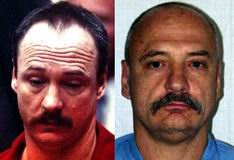
| Legal Identity | Christopher Richee |
| Confirmed Victims | 1 |
| Attributed / Indicted Victims | 1 |
| Active Timeline | 1996 |
| Jurisdiction / Area of Operations | Crestwood, Illinois, USA |
| Criminological Classification | Opportunistic Murderer / Thrill Killer |
| Forensic Modus Operandi | Lock manipulation, master key access, machete assault, and staging of the crime scene |
| Weapon / Mechanism of Death | Machete and pantyhose (strangulation) |
| Motive / Behavioral Dynamics | Thrill killing / Desire to commit the 'perfect crime' |
| Judicial Outcome | 40-year prison sentence via plea deal (2006) |
1. Background and Psychopathy
Christopher Richee worked as the maintenance manager at the Hampton Inn in Crestwood, Illinois. His behavioral history included reports of animal cruelty and a fixation on security systems. He was perceived by acquaintances as someone who harbored a twisted sense of humor and a deep-seated need to demonstrate intellectual superiority.
2. Crime Spree
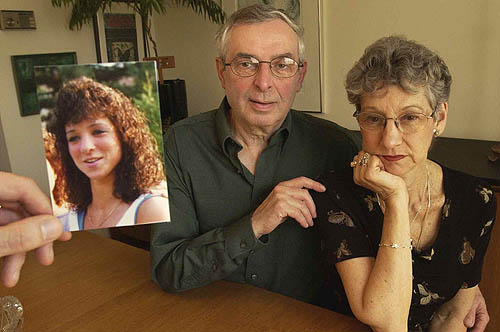
On December 13, 1996, Richee murdered Nan Toder, a 33-year-old executive. Exploiting his knowledge of the hotel's impending security upgrade, he rigged the adjoining door between rooms 229 and 227. He entered Toder's room, strangled her with pantyhose, and inflicted fatal machete wounds. He staged the body to create a shock effect, attempting to frame an outside intruder.
3. Investigation and Arrest
The investigation relied on circumstantial evidence, including Richee's unique access to the rooms, his suspicious behavior on the night of the murder, and the testimony of an associate who disposed of incriminating evidence (a bloody towel) at Richee's request. Forensic experts noted the 'staged' nature of the crime scene.
4. Legal Proceedings and Outcome
Initially convicted and sentenced to life in 2003, the verdict was overturned in 2005 due to the improper admission of 'other crimes' evidence. In 2006, Richee entered a plea deal, receiving a 40-year sentence. Despite the plea, he maintained his innocence in a public statement, claiming he was a victim of a flawed judicial system.