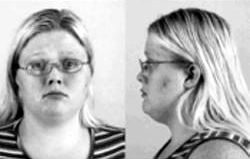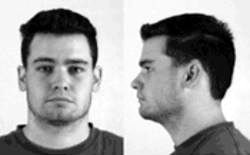




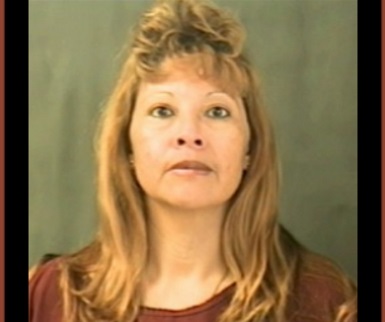

Forensic & Criminological Matrix
| Parameter | Forensic Detail |
|---|---|
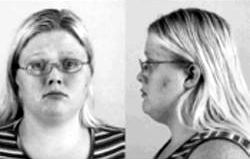
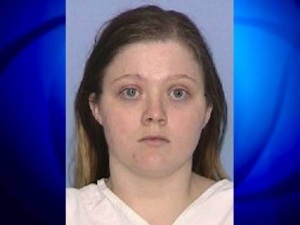
| Forensic Heading / Aliases | Chelsea Richardson |
| Legal Identity | Chelsea Lea Richardson |
| Confirmed Victims | 2 (Rick and Suzanna Wamsley) |
| Active Timeline | October 2003 - December 2003 |
| Jurisdiction / Area of Operations | Mansfield, Tarrant County, Texas, United States |
| Criminological Classification | Greed-motivated conspiracy coordinator / Murder mastermind |
| Forensic Modus Operandi | Meticulous planning, psychological coercion of vulnerable accomplices, selection of familial targets, staged burglaries, and mixed-weapon assaults (firearms and knives) |
| Weapon / Mechanism of Death | Handgun and kitchen knives |
| Motive / Behavioral Dynamics | Financial greed (access to a family estate valued at $1.56 million) |
| Judicial Outcome | Originally sentenced to death in 2005 (overturned in 2011 due to prosecutorial misconduct); resentenced in 2012 to life imprisonment with parole eligibility after 40 years |
1. Background and Psychopathy
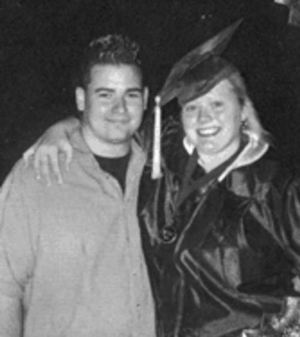
Chelsea Lea Richardson was born in 1984 in the United States. In early 2003, at the age of 19, she began a dating relationship with Andrew Wamsley. Throughout the relationship, Richardson displayed strong manipulative tendencies and coercive control over her social circle, particularly her close friend Susana Toledano, who depended on Richardson for housing and transportation. Driven by the desire to acquire the family estate of Andrew's parents—valued at $1.56 million—Richardson conceived and coordinated a criminal conspiracy aimed at the systematic elimination of the Wamsley family.
2. Crime Spree and Modus Operandi
The criminal plot began to take shape in October 2003. Richardson recruited Susana Toledano, exploiting her emotional vulnerability and dependency to act as the primary physical executor of the murders. After several failed attempts, including shooting at the family vehicle on the highway and an aborted break-in at the Wamsley residence, the definitive attack occurred in the early morning hours of December 10, 2003.
On that date, Richardson, Andrew Wamsley, and Susana Toledano entered the family home in Mansfield, Texas. Under Richardson's direct coaching and supervision, Toledano shot Suzanna Wamsley as she slept on the couch, causing instantaneous death. Subsequently, when Rick Wamsley awoke and resisted, Richardson actively intervened by handling and providing the firearm, as well as retrieving kitchen knives to ensure the murders were completed through multiple stab wounds and gunshot trauma.
3. Investigation and Forensic Chase
The police investigation commenced immediately after an open-line 911 emergency call was registered at approximately 11:40 p.m. on December 10, 2003. Upon entering the residence, officers from the Mansfield Police Department discovered a brutal and chaotic crime scene. Forensic evidence and statements from Toledano—who agreed to cooperate with prosecutors in exchange for a plea deal—helped unravel the conspiracy, establishing that Richardson had acted as the mastermind and intellectual director of the double homicide.
4. Legal Proceedings and Outcome
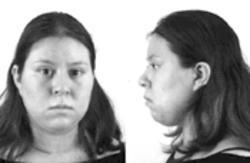
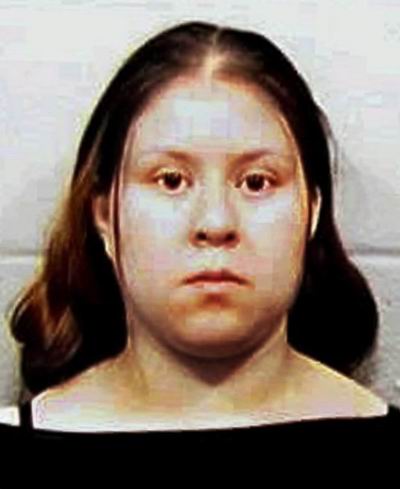
Chelsea Richardson was arrested alongside her accomplices and prosecuted in Tarrant County, Texas. In 2005, a jury found her guilty of capital murder, making her the first woman in the county's history to be sentenced to death.
However, the defense pursued extensive appeals. In November 2011, the Texas Court of Criminal Appeals overturned Richardson's death sentence after it was discovered that a former prosecutor had withheld key notes from a psychological interview with Susana Toledano that could have lessened Richardson's perceived culpability. To avoid a new penalty-phase trial, prosecutors and defense counsel reached a plea agreement in January 2012, commuting her sentence to life imprisonment with eligibility for parole after serving 40 years.
5. Psychiatric Evaluation and Aftermath
From a criminological standpoint, Chelsea Richardson's case exemplifies corporate psychopathy and the exploitation of emotional dependencies to commit violent crimes driven purely by financial greed. Following the vacation of her death sentence due to prosecutorial misconduct, she remains incarcerated within the Texas prison system under strict penal enforcement while awaiting future parole eligibility.