



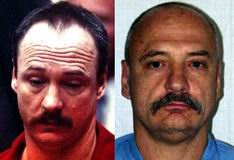
Forensic & Criminological Matrix
| Parameter | Forensic Detail |
|---|---|
| Forensic Heading / Aliases | None |
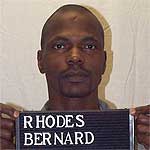
| Legal Identity | Bernard Rhodes |
| Confirmed Victims | 1 |
| Attributed / Indicted Victims | 1 |
| Active Timeline | July 16, 1997 |
| Jurisdiction / Area of Operations | Columbia, Boone County, Missouri |
| Criminological Classification | Robbery-Homicide |
| Forensic Modus Operandi | Home invasion, physical assault, binding, and mechanical asphyxiation |
| Weapon / Mechanism of Death | Plastic bag and physical force |
| Motive / Behavioral Dynamics | Financial gain for drug purchase |
| Judicial Outcome | Convicted of first-degree murder and robbery |
1. Background and Psychopathy
Bernard Rhodes is a U.S. offender whose criminal actions resulted in the homicide of an elderly woman in Columbia, Missouri. Court records highlight his struggle with crack cocaine addiction, which served as the primary motive for the robbery that escalated into murder.
2. Crime Spree
On July 16, 1997, Rhodes entered the home of 81-year-old Dorothy Martin with the intent to steal. Upon being spotted, he physically assaulted the victim, causing severe injuries including a broken nose, broken ribs, and a broken neck. He then bound her and, when she continued to scream for help, placed a plastic bag over her head, resulting in death by asphyxiation.
3. Investigation and Arrest
The investigation relied heavily on Rhodes' own videotaped confession. Forensic evidence, including autopsy photographs, was crucial in establishing the nature of the wounds and the perpetrator's deliberation, as he repeatedly returned to the victim to further restrain her while ransacking the home.
4. Legal Proceedings and Outcome
Rhodes was tried in the Circuit Court of Boone County. He was convicted of first-degree murder and first-degree robbery. While the jury initially recommended the death penalty, the Supreme Court of Missouri later reversed the death sentence due to improper personalization by the prosecutor during the sentencing phase, which was deemed to have unfairly influenced the jury's decision.
5. Psychiatric Evaluation and Conclusion
The defense attempted to introduce evidence of Rhodes' drug use to mitigate his culpability. However, the court ruled that voluntary intoxication could not be used to negate the mental state required for the offense, upholding his criminal responsibility.