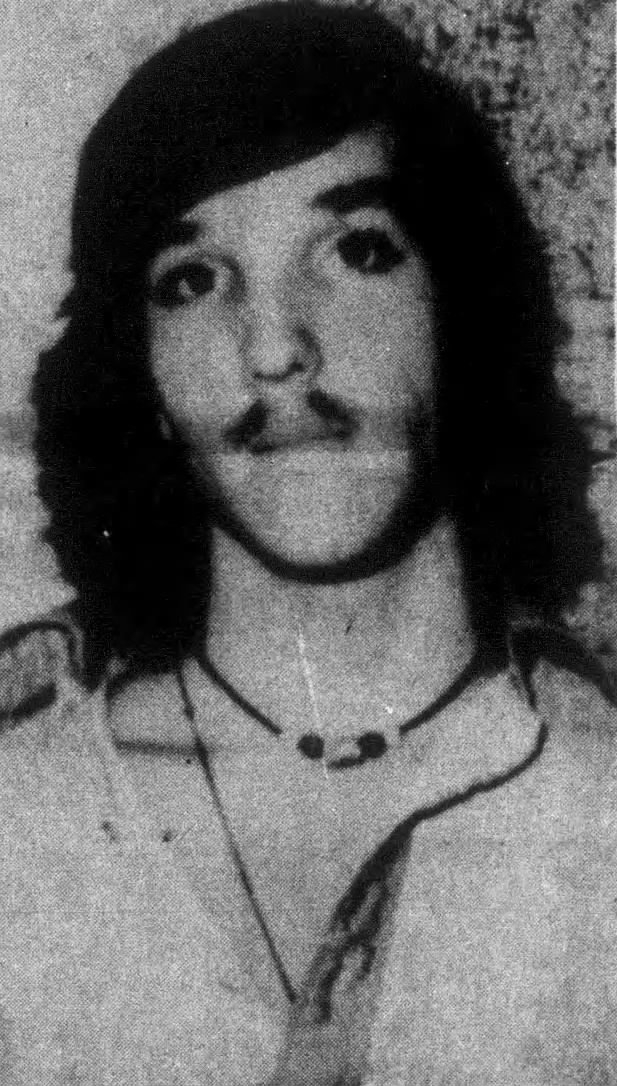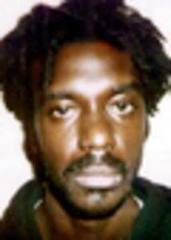
Forensic & Criminological Matrix
| Parameter | Forensic Detail |
|---|---|
| Forensic Heading / Aliases | Kilt |
| Legal Identity | Richard Reynolds |
| Confirmed Victims | 1 |
| Attributed / Indicted Victims | 1 |
| Active Timeline | December 18, 1992 |
| Jurisdiction / Area of Operations | Waterbury, Connecticut, USA |
| Criminological Classification | Cop killer |
| Forensic Modus Operandi | Tactical vest check via physical contact followed by point-blank execution |
| Weapon / Mechanism of Death | .380-caliber pistol |
| Motive / Behavioral Dynamics | Evasion of arrest for drug trafficking |
| Judicial Outcome | Death sentence (commuted to life imprisonment) |
1. Background and Profile
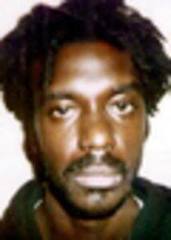
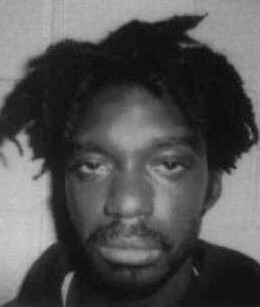
Richard Reynolds, a former Brooklyn resident, was a crack dealer operating in Waterbury, Connecticut. His criminal profile is characterized by extreme aggression and a calculated willingness to kill law enforcement officers to evade arrest.
2. Crime Spree
On December 18, 1992, Officer Walter T. Williams stopped Reynolds and Anthony Crawford during a routine patrol. Reynolds, fearing arrest due to outstanding drug charges in New York, deliberately bumped into the officer to check for a bulletproof vest. Upon confirming the officer was unprotected, he shot him once behind the left ear. Reynolds then fled, firing four additional shots at the unconscious officer.
3. Investigation and Arrest
Following the discovery of the wounded officer by a local resident, Waterbury police launched an immediate investigation. Reynolds and Crawford were apprehended at a nearby residence. A .380-caliber pistol was recovered, and both suspects provided statements implicating themselves in the shooting.
4. Legal Proceedings and Outcome
In 1994, a three-judge panel found Reynolds guilty of murder and capital felony. He was sentenced to death in 1995. The case remains a significant legal reference in Connecticut regarding the protection of law enforcement officers.