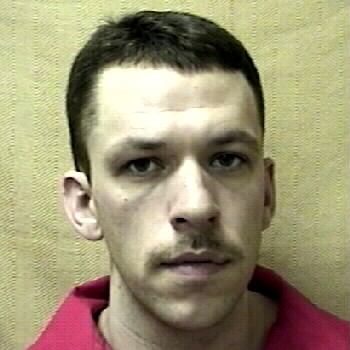
Forensic & Criminological Matrix
| Parameter | Forensic Detail |
|---|---|
| Forensic Heading / Aliases | Mont |
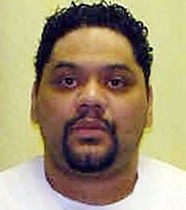
| Legal Identity | Lamont D. Reese |
| Confirmed Victims | 3 |
| Attributed / Indicted Victims | 3 |
| Active Timeline | March 1, 1999 |
| Jurisdiction / Area of Operations | Fort Worth, Tarrant County, Texas |
| Criminological Classification | Multiple murderer / Gang-related shooting |
| Forensic Modus Operandi | Armed attack with assault rifles and handguns following a dispute |
| Weapon / Mechanism of Death | Assault rifles and handguns |
| Motive / Behavioral Dynamics | Retaliation for verbal altercation |
| Judicial Outcome | Death penalty, executed by lethal injection |
1. Background and Profile
Lamont D. Reese (1977–2006) was raised in Louisiana, spending much of his youth in state custody. He openly admitted to a history of drug dealing, specifically crack cocaine, and acknowledged his involvement in street-level criminal activities.
2. Crime Spree
On March 1, 1999, a verbal confrontation occurred at a Fort Worth convenience store involving Reese's girlfriend, Kareema Kimbrough, and a group of men. Reese and his associates left the scene, armed themselves with assault rifles and handguns, and returned to the store. Reese proceeded to open fire, killing Riki Jackson, Alonzo Stewart, and Anthony Roney.
3. Investigation and Arrest
Police linked Reese to the crime through witness statements regarding his bragging about the shootings and forensic evidence, specifically ammunition found in his vehicle that matched the crime scene ballistics. He was arrested shortly after the incident.
4. Legal Proceedings and Outcome
Reese was convicted of capital murder on November 30, 2000. Despite extensive appeals challenging the evidence and the constitutionality of the execution method, his conviction and sentence were upheld by the Texas Court of Criminal Appeals and federal courts.
5. Execution
Lamont Reese was executed by lethal injection on June 20, 2006, at the Huntsville Unit. He refused to walk to the death chamber, requiring guards to carry him. He maintained his innocence until his death.