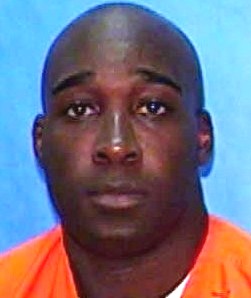
Forensic & Criminological Matrix
| Parameter | Forensic Detail |
|---|---|
| Forensic Heading / Aliases | N/A |
| Legal Identity | John Loveman Reese |
| Confirmed Victims | 1 |
| Attributed / Indicted Victims | 1 |
| Active Timeline | January 28, 1992 |
| Jurisdiction / Area of Operations | Duval County, Florida |
| Criminological Classification | Sexual Homicide |
| Forensic Modus Operandi | Home invasion, sexual battery, and strangulation |
| Weapon / Mechanism of Death | Electrical cord |
| Motive / Behavioral Dynamics | Jealousy and personal resentment |
| Judicial Outcome | Death sentence (upheld) |
1. Background and Profile
John Loveman Reese (born March 29, 1965) is an American offender convicted of the murder of Sharlene Austin. His criminal profile is marked by emotional instability and possessive jealousy. Reese was involved in an on-and-off relationship with Jackie Grier, who was a close friend of the victim. Reese had previously expressed intense dislike for Austin, fueled by her close friendship with Grier.
2. Crime Spree
On January 28, 1992, Reese committed the murder of Sharlene Austin. According to his confession, he broke into her home and waited four hours for her to return. He hid in a closet until Austin fell asleep on the couch. When she began to move, Reese panicked, dragged her into the bedroom, sexually assaulted her, and strangled her with an electrical cord.
3. Investigation and Arrest
Concerned by her absence, Grier and a neighbor entered Austin's home through an unlocked door, discovering her body covered with a sheet. Forensic investigators recovered a print of Reese's hand on the waterbed in the bedroom. Upon police questioning, Reese provided a full confession to the crime.
4. Legal Proceedings and Outcome
Reese was indicted on counts of first-degree murder, sexual battery, burglary with assault, and kidnapping. On March 25, 1993, he was found guilty of the first three counts. The jury voted 8-4 for the death penalty. Following multiple appeals to the Florida Supreme Court regarding sentencing instructions and proportionality, his death sentence was repeatedly affirmed, most notably in 1997 and 2000.