
Forensic & Criminological Matrix
| Parameter | Forensic Detail |
|---|---|
| Forensic Heading / Aliases | N/A |
| Legal Identity | Mario José Redondo Llenas |
| Confirmed Victims | 1 |
| Attributed / Indicted Victims | 1 |
| Active Timeline | May 1996 |
| Jurisdiction / Area of Operations | Santo Domingo, Dominican Republic |
| Criminological Classification | Murderer / Kidnapper |
| Forensic Modus Operandi | Breach of trust, kidnapping, and execution via bladed weapon |
| Weapon / Mechanism of Death | Knife (34 stab wounds) |
| Motive / Behavioral Dynamics | Unclear / Alleged duress |
| Judicial Outcome | 30-year prison sentence (January 1997) |
1. Background and Profile
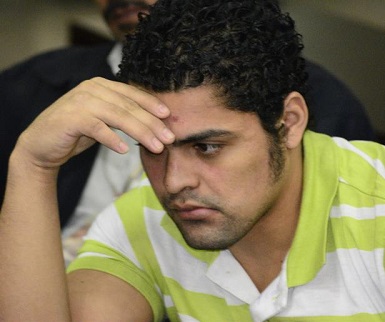
Mario José Redondo Llenas (born 1978) was a young man from a prominent family in Santo Domingo. The case gained notoriety due to the victim being his cousin, José Rafael Llenas Aybar, and the alleged involvement of the Argentine diplomatic family, the Palmas de la Calzada.
2. Crime Spree
On May 3, 1996, Redondo Llenas and accomplice Juan Moliné Rodríguez lured 12-year-old José Rafael Llenas Aybar away from his home. The victim, trusting his cousin, left with them. His body was discovered the following day, bound with duct tape and suffering from 34 stab wounds.
3. Investigation and Arrest
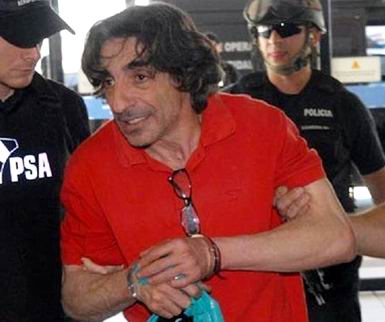
The investigation was severely compromised by the loss of forensic evidence, including the alleged murder weapon and the clothing of the suspects. Redondo Llenas claimed he was forced to participate by the Argentine ambassador, Luis Palmas de la Calzada, under threat of harm to his own family.
4. Legal Proceedings and Outcome
The trial was a landmark event in Dominican history, being one of the first to be broadcast on television. In January 1997, both Redondo Llenas and Moliné Rodríguez were found guilty and sentenced to 30 years in prison. The Palmas family fled the country, avoiding prosecution.
5. Psychiatric Evaluation and Conclusion
Psychiatric tests indicated personality disorders in the defendants, though the methodology was heavily criticized. The case remains a subject of intense public debate regarding the potential involvement of international actors and the integrity of the judicial process.