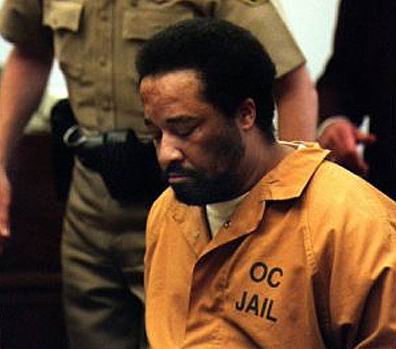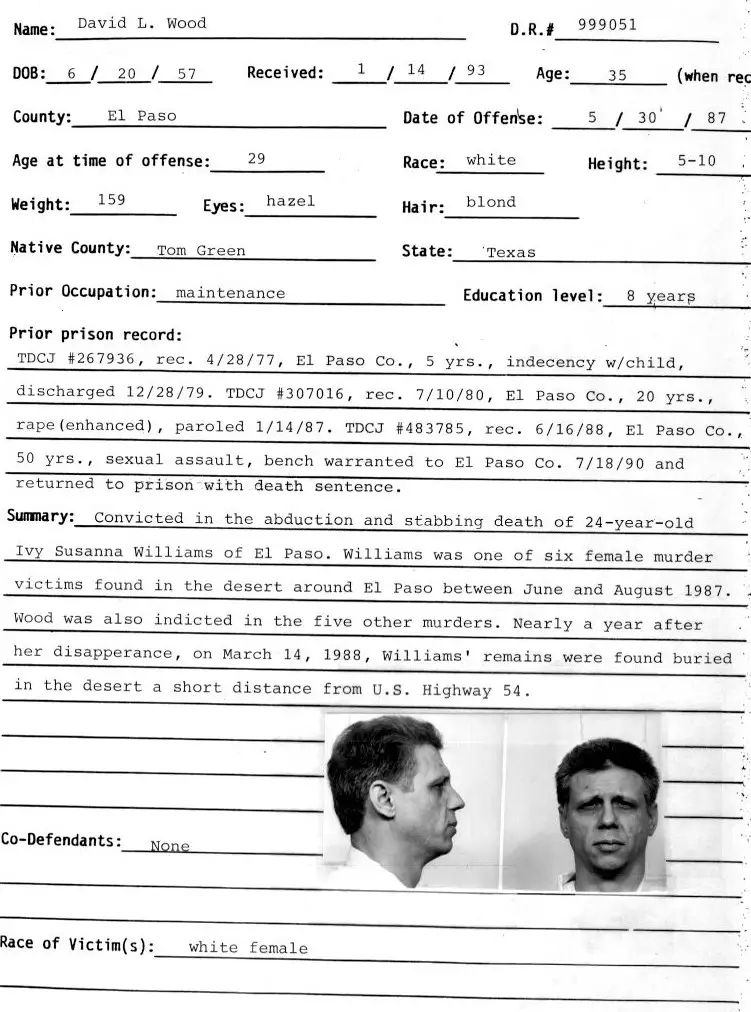
Forensic & Criminological Matrix
| Parameter | Forensic Detail |
|---|---|
| Forensic Heading / Aliases | null |
| Legal Identity | William Earl Rayford |
| Confirmed Victims | 2 |
| Attributed / Indicted Victims | 2 |
| Active Timeline | 1985 - 1999 |
| Jurisdiction / Area of Operations | Dallas, Texas, USA |
| Criminological Classification | Domestic murderer / Recidivist |
| Forensic Modus Operandi | Strangulation, stabbing, and blunt force trauma |
| Weapon / Mechanism of Death | Knife, physical force, manual and ligature strangulation |
| Motive / Behavioral Dynamics | Domestic violence, control, and possessiveness |
| Judicial Outcome | Death sentence (2001) |
1. Background and Psychopathy
William Earl Rayford was born on May 21, 1953. His criminal history is marked by a severe pattern of domestic violence. In 1986, he was convicted of murdering his wife and sentenced to 23 years in prison. He was released on mandatory supervision in December 1994, only to commit another capital murder five years later.
2. Crime Spree
On November 16, 1999, Rayford entered the home of his former girlfriend, Carol Hall. After an argument, he stabbed Hall's 12-year-old son, Benjamin Thomas. He then pursued Hall, beat her severely, and carried her to a nearby drainage culvert. Forensic evidence indicated she was alive when she was strangled and subjected to blunt force trauma against the concrete walls of the pipe.
3. Investigation and Arrest
Police apprehended Rayford shortly after the incident. He was found wet, shivering, and injured. DNA analysis provided irrefutable evidence, matching Hall's blood to samples taken from Rayford's clothing and person. The medical examiner's testimony regarding the nature of the injuries was pivotal in proving the kidnapping and murder charges.
4. Legal Proceedings and Outcome
Rayford was convicted of capital murder in December 2000. During the trial, the prosecution successfully argued that his actions constituted kidnapping, as he forcibly moved the victim to a location where she could not escape. He was sentenced to death in January 2001. His appeals, which challenged the constitutionality of the Texas death penalty statute, were consistently overruled by the Texas Court of Criminal Appeals.