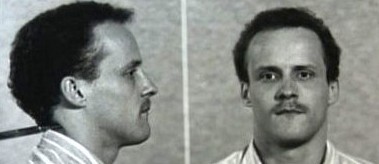
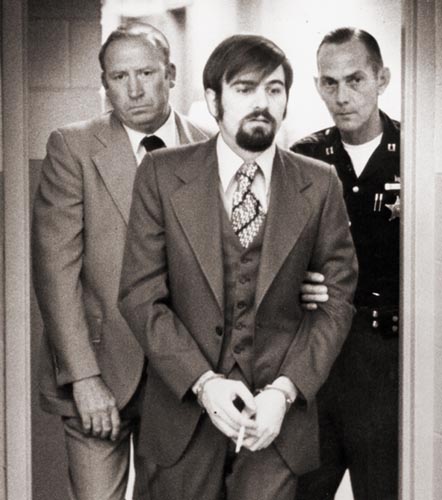
Forensic & Criminological Matrix
| Parameter | Forensic Detail |
|---|---|
| Forensic Heading / Aliases | N/A |
| Legal Identity | Dilip Rathia |
| Confirmed Victims | 1 |
| Attributed / Indicted Victims | 1 |
| Active Timeline | February 2012 |
| Jurisdiction / Area of Operations | Barpali, Raigarh, Chhattisgarh, India |
| Criminological Classification | Ritualistic Murderer / Occult practitioner |
| Forensic Modus Operandi | Abduction and ritualistic beheading |
| Weapon / Mechanism of Death | Beheading (edged weapon) |
| Motive / Behavioral Dynamics | Superstition and ritual sacrifice for personal gain |
| Judicial Outcome | Sentenced to death by the Raigarh District Court |
1. Background and Profile
Dilip Rathia, 32 years old at the time of his arrest, was a resident of the Raigarh district in Chhattisgarh, India. He was locally recognized as a 'witch doctor' or practitioner of black magic. His criminal profile is deeply rooted in the persistence of occult beliefs within remote, tribal-dominated regions of India, where practitioners of such arts are often feared and consulted for supernatural intervention.
2. Crime Spree
In February 2012, Rathia abducted an 11-year-old boy named Praveen, who had gone missing while visiting a local village fair. Rathia took the child to a secluded location and beheaded him. The act was a deliberate human sacrifice intended to appease a local goddess, with the perpetrator believing that the offering would bring him improved luck and fortune.
3. Investigation and Arrest
The investigation was initiated following the child's disappearance. Police discovered the headless skeleton of the victim in the tribal village of Barpali. Forensic analysis confirmed the remains belonged to the missing boy. Acting on a tip-off, police raided Rathia's home, where they discovered the victim's head, providing the critical forensic evidence needed to secure a conviction.
4. Legal Proceedings and Outcome
Rathia was charged with murder, destruction of evidence, and providing false information to conceal the crime. Investigating officer Praful Thakur and local police official Rahul Bhagat led the case. On April 15, 2013, Additional District and Sessions Judge Ashok Kumar Sahu convicted Rathia and sentenced him to death, classifying the crime as a 'rarest of rare' case due to the ritualistic nature of the child sacrifice.
5. Forensic Conclusion
The case of Dilip Rathia highlights the ongoing challenge of ritualistic violence in rural India. The judicial response, imposing the death penalty, reflects the severity with which the Indian legal system treats crimes motivated by extreme superstition and occult practices.