Forensic & Criminological Matrix
| Parameter | Forensic Detail |
|---|---|
| Forensic Heading / Aliases | null |
| Legal Identity | Christian Ranucci |
| Confirmed Victims | 1 |
| Attributed / Indicted Victims | 1 |
| Active Timeline | 1974 |
| Jurisdiction / Area of Operations | Marseille, France |
| Criminological Classification | Sexual murderer |
| Forensic Modus Operandi | Abduction, sexual assault, and homicide via stabbing and blunt force trauma |
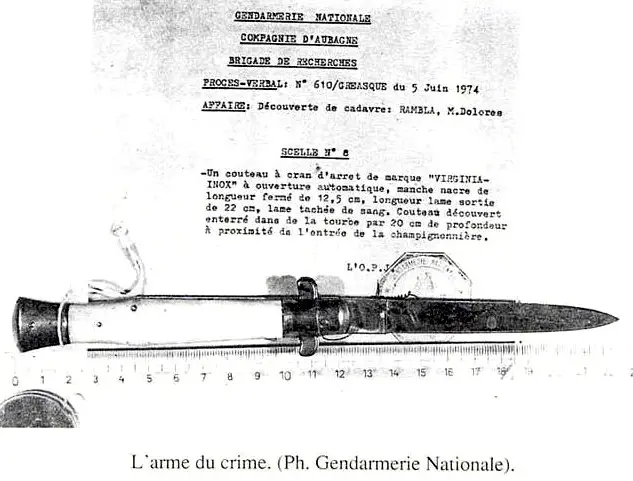
| Weapon / Mechanism of Death | Knife and rocks |
| Motive / Behavioral Dynamics | Sadistic sexual impulses |
| Judicial Outcome | Death penalty by guillotine |
1. Background and Profile
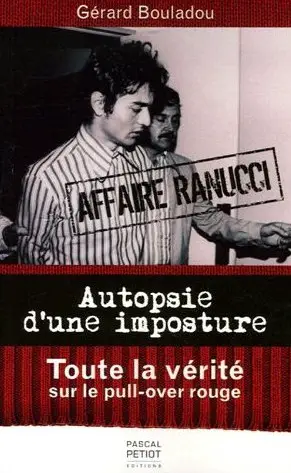
Christian Ranucci (born April 6, 1954) was a young man whose execution in 1976 remains a controversial chapter in French judicial history. He was characterized as a quiet, passive individual, which made the accusations against him particularly shocking to the public.
2. Crime Spree
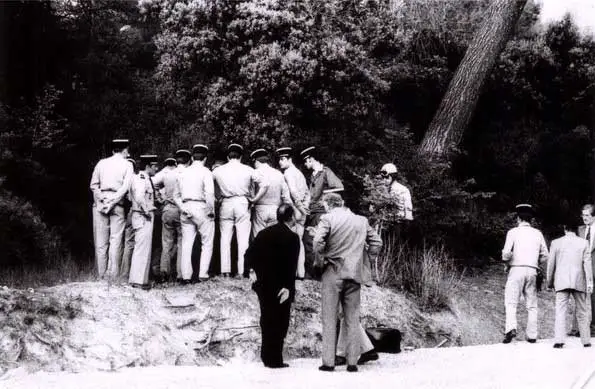
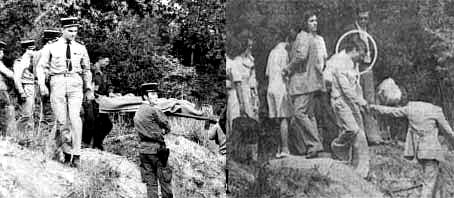
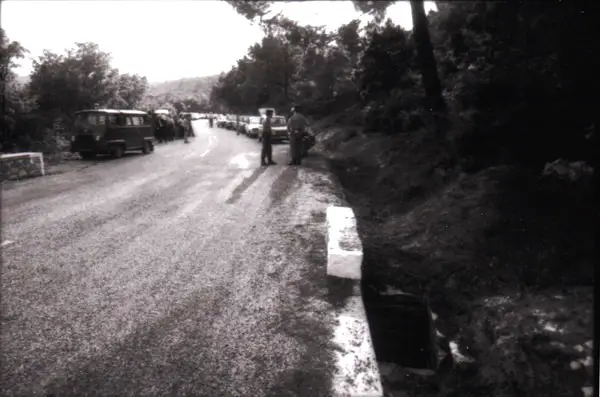
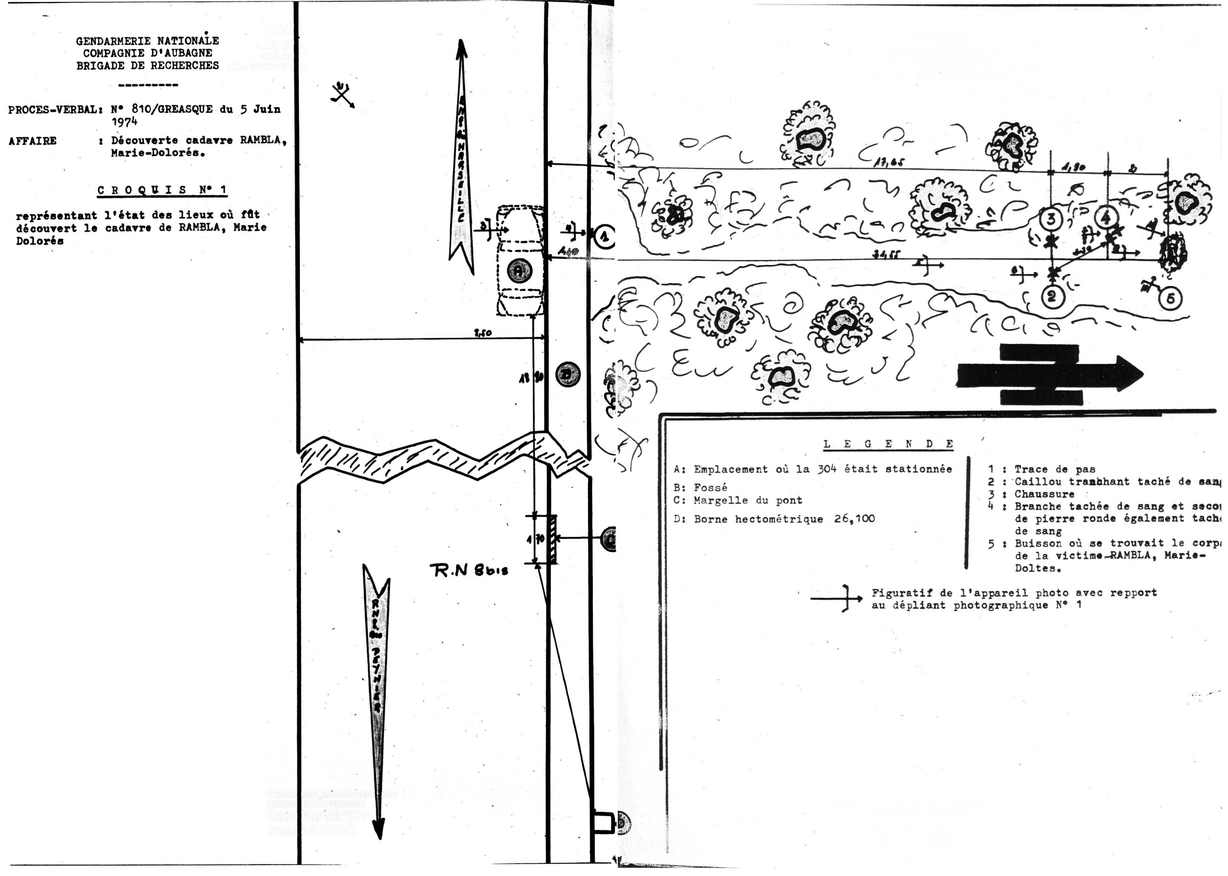
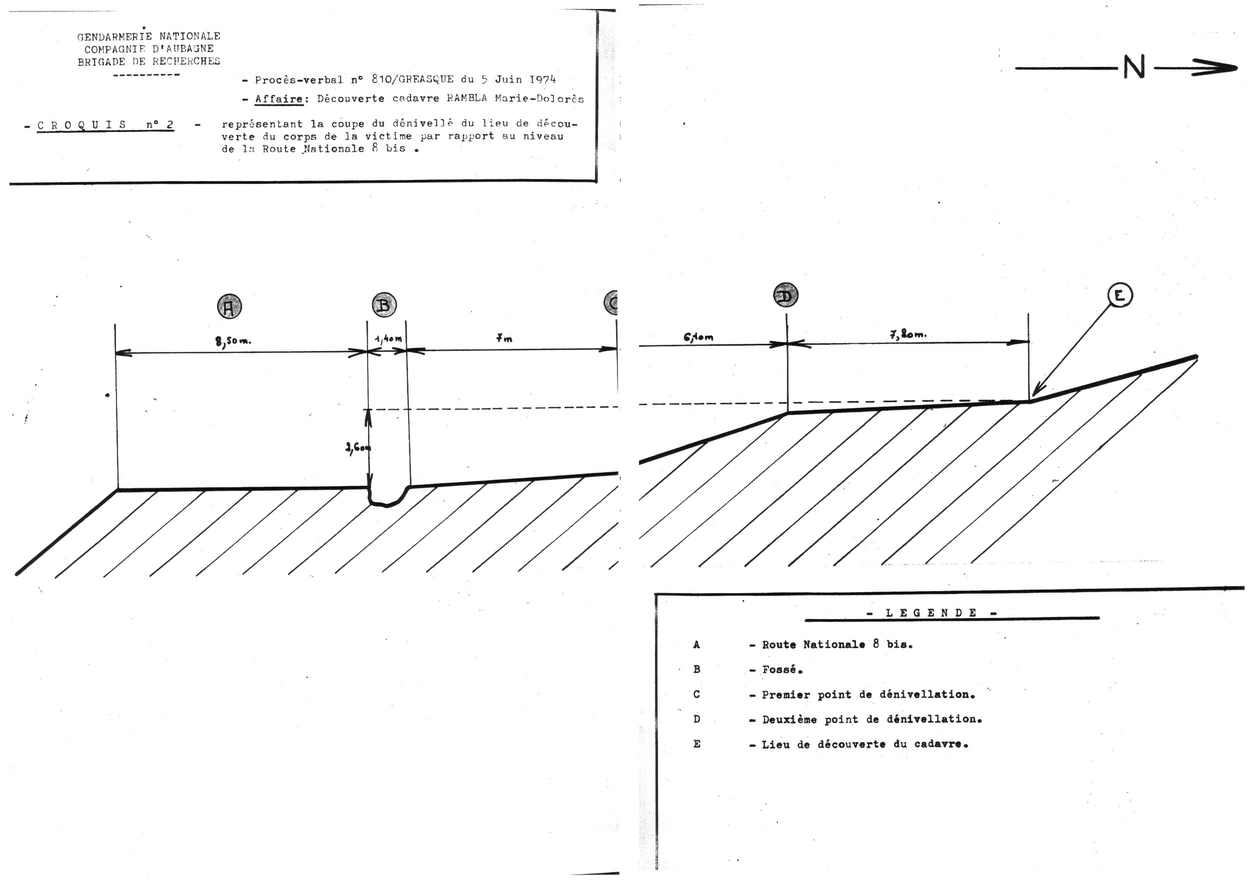
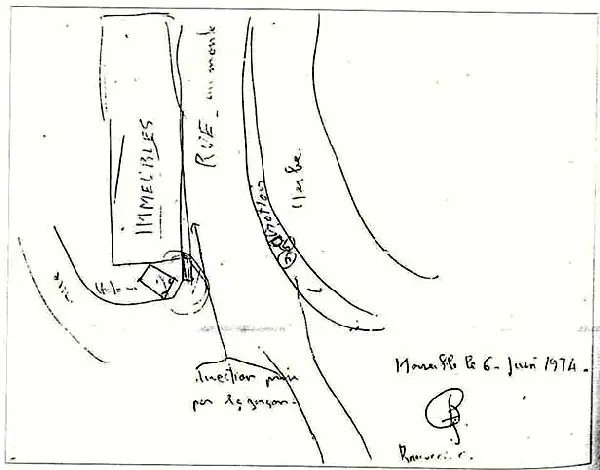
On June 3, 1974, 8-year-old Marie-Dolorès Rambla was abducted from a housing estate in Marseille. Her body was later discovered in a creek, bearing 15 stab wounds and severe head trauma caused by rocks. The brutality of the crime triggered an intense police investigation.
3. Investigation and Arrest
Police focused on Ranucci after a red sweater was found near the crime scene. However, the investigation was later criticized for significant flaws, including discrepancies regarding the vehicle involved (a Simca 1100 vs. Ranucci's Peugeot 304) and the size of the recovered garment.
4. Legal Proceedings and Outcome
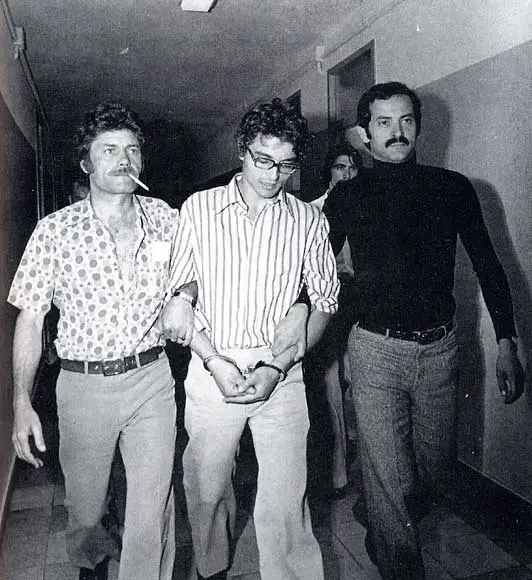
Following his arrest two days after the crime, Ranucci was tried in Aix-en-Provence in March 1976. Despite defense arguments highlighting procedural errors and lack of definitive physical evidence, he was sentenced to death. President Valéry Giscard d'Estaing denied his clemency appeal shortly thereafter.
5. Forensic Conclusion
Ranucci was executed by guillotine at Baumettes prison on July 28, 1976. His final plea to his lawyers was to "clear his name." The case later served as a catalyst for the abolition of capital punishment in France, fueled by books and films questioning the integrity of the original investigation and the possibility of a miscarriage of justice.