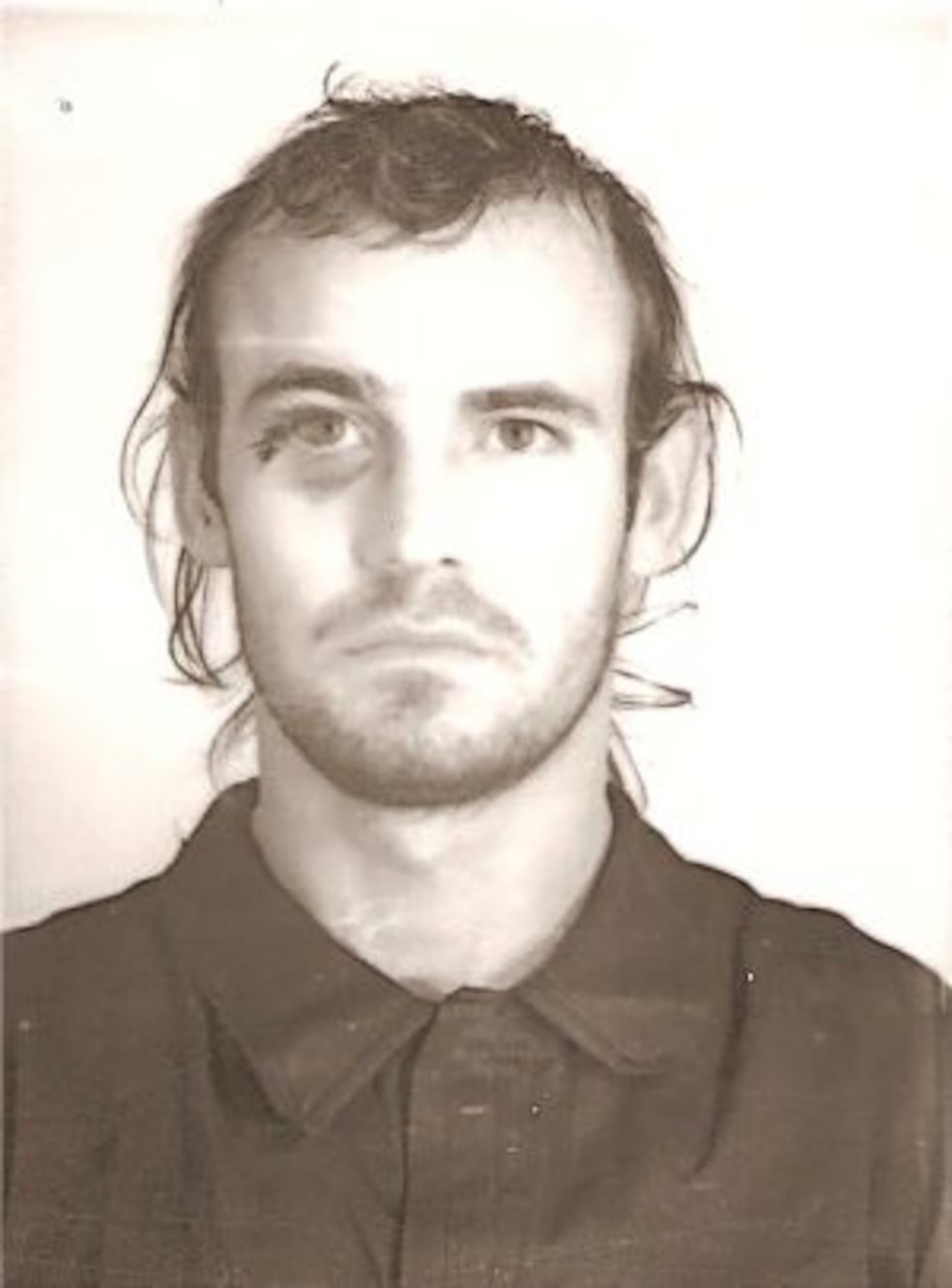
Forensic & Criminological Matrix
| Parameter | Forensic Detail |
|---|---|
| Forensic Heading / Aliases | Cañameras |
| Legal Identity | Rafael Bueno Latorre |
| Confirmed Victims | 4 |
| Attributed / Indicted Victims | 4 |
| Active Timeline | 1970-1984 |
| Jurisdiction / Area of Operations | Spain (Barcelona, Burgos, Madrid) |
| Criminological Classification | Murderer, armed robber, fugitive |
| Forensic Modus Operandi | Use of firearms, impersonation of authority, kidnapping and execution |
| Weapon / Mechanism of Death | Firearms (Astra .38 caliber), improvised weapons |
| Motive / Behavioral Dynamics | Instrumental crime, settling scores |
| Judicial Outcome | Unsolved / Fugitive |
1. Background and Psychopathy
Born in Utrera, Seville, in 1954, Rafael Bueno Latorre grew up in the suburbs of Barcelona. His criminal career began early with petty theft, leading to reformatories. Forensic reports described him as having normal intelligence but significant emotional instability and a high propensity for calculated, violent criminal planning.
2. Crime Spree
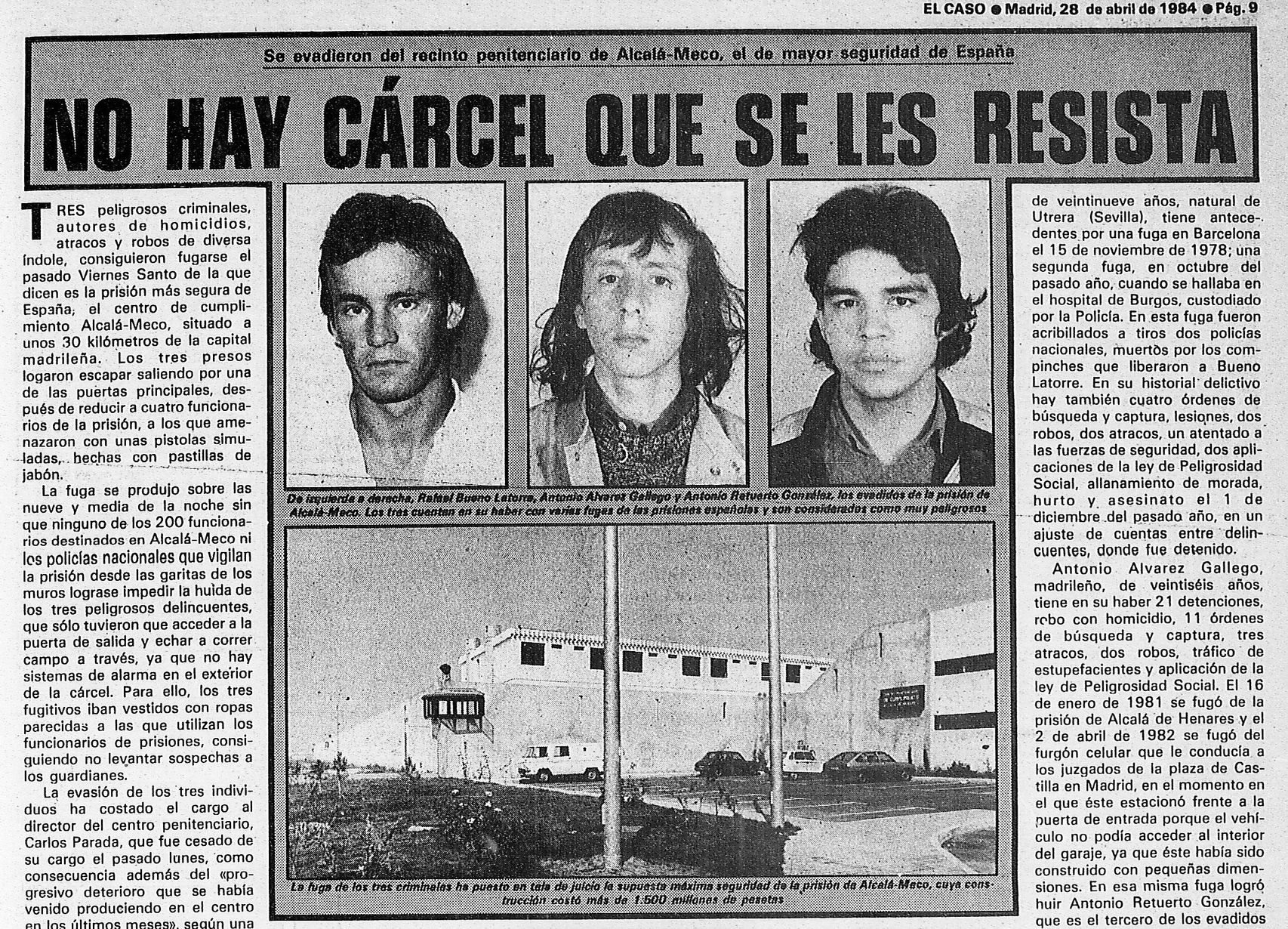
Bueno Latorre is best known for his 1983 escape from the Burgos Provincial Hospital, where his accomplices, disguised as doctors, murdered police officers Jesús Postigo Pérez and Raúl Santamaría Alonso. Shortly after, he kidnapped and executed two alleged police informants, Manuel Andrés Sánchez Manzano and Eduardo Aldama de la Red, in the outskirts of Barcelona.
3. Investigation and Arrest
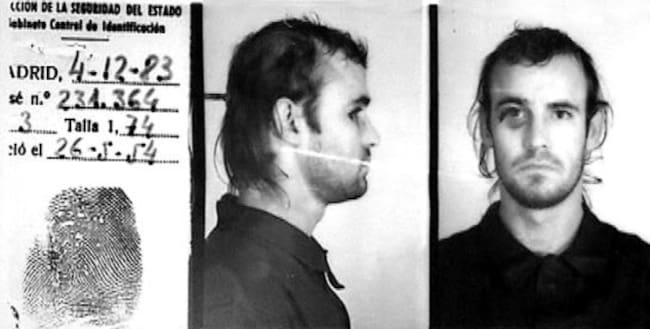
Labeled 'Public Enemy No. 1', he was arrested 17 times. His most infamous escape occurred on April 20, 1984, from the high-security Alcalá-Meco prison, where he and two others used soap-carved pistols to deceive guards and flee the facility.
4. Legal Proceedings and Outcome
Despite extensive international manhunts, Bueno Latorre was never recaptured. As of 2015, the Spanish Ministry of the Interior officially closed the active search due to the statute of limitations, leaving his ultimate fate unknown.