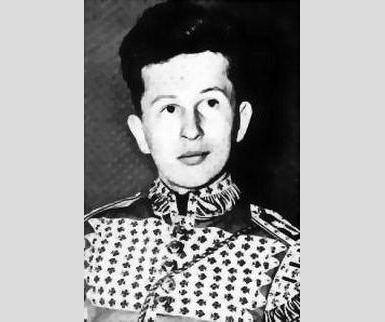
Forensic & Criminological Matrix
| Parameter | Forensic Detail |
|---|---|
| Forensic Heading / Aliases | None |
| Legal Identity | Peter Queen |
| Confirmed Victims | 1 |
| Attributed / Indicted Victims | 1 |
| Active Timeline | 1931 |
| Jurisdiction / Area of Operations | Glasgow, United Kingdom |
| Criminological Classification | Domestic Homicide |
| Forensic Modus Operandi | Strangulation with a clothesline |
| Weapon / Mechanism of Death | Clothesline |
| Motive / Behavioral Dynamics | Domestic conflict and alcoholism |
| Judicial Outcome | Death sentence commuted to life imprisonment |
1. Background and Profile
Peter Queen was the son of a Glasgow bookmaker. His personal life was characterized by instability; following a failed marriage due to his wife's alcoholism, he began a relationship with Chrissie Gall, a nursemaid hired by his father. The relationship was heavily influenced by mutual alcohol abuse.
2. Crime Spree
On November 20, 1931, following a period of heavy drinking, Chrissie Gall was found dead in their home. Queen strangled her using a clothesline while she was in a state of deep intoxication, which accounts for the lack of defensive wounds or signs of a struggle.
3. Investigation and Arrest
In the early hours of November 21, 1931, Peter Queen surrendered himself to a local police station, stating: 'I think you will find my wife dead.' Police arrived at the residence to find the victim deceased. The forensic absence of a struggle became the focal point of the subsequent investigation.
4. Legal Proceedings and Outcome
The trial took place in Glasgow in January 1932. The defense, utilizing expert testimony from Sir Bernard Spilsbury and Sir Sydney Smith, argued for a suicide theory based on the lack of struggle. The jury rejected this, finding Queen guilty.
5. Psychiatric Evaluation and Final Outcome
Despite an initial death sentence, a recommendation for mercy led to the commutation of his sentence to life imprisonment. Queen was eventually released and died in 1958.