Forensic & Criminological Matrix
| Parameter | Forensic Detail |
|---|---|
| Forensic Heading / Aliases | None |
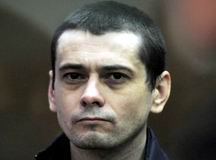
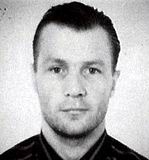
| Legal Identity | Oleg Protsenko |
| Confirmed Victims | 5 |
| Attributed / Indicted Victims | 5 |
| Active Timeline | January 29, 2000 |
| Jurisdiction / Area of Operations | Kaliningrad, Russia |
| Criminological Classification | Mass murderer |
| Forensic Modus Operandi | Vehicle interception and execution via firearm |
| Weapon / Mechanism of Death | Kalashnikov assault rifle |
| Motive / Behavioral Dynamics | Military desertion and reaction to systemic abuse |
| Judicial Outcome | Perpetrator suicide; case closed |
1. Background and Profile
Oleg Protsenko (born 1981) was a Russian border guard stationed in the Kaliningrad region. Forensic reports indicate that Protsenko was subjected to routine physical abuse and humiliation by senior conscripts within his unit. This environment of systemic bullying served as the primary catalyst for his decision to desert the military.
2. Crime Spree
On January 29, 2000, Protsenko deserted his post, taking a Kalashnikov assault rifle with him. His intent was to secure a vehicle to facilitate his escape. Upon encountering a civilian vehicle, he opened fire, killing all five occupants—three men and two women. The incident is classified as a mass murder resulting from a violent carjacking attempt.
3. Investigation and Arrest
The investigation concluded rapidly. Early the following morning, authorities discovered the stolen vehicle in a forest near Kaliningrad. Inside, they found the bodies of the five victims and the deceased perpetrator.
4. Legal Proceedings and Outcome
No judicial proceedings were initiated, as Protsenko committed suicide with his service weapon immediately following the crime. The case was officially closed following the forensic identification of the perpetrator.
5. Psychiatric Assessment and Conclusion
A suicide note was recovered from the vehicle's glove compartment. The note, which read "I'm sorry, Mum," indicates a profound emotional collapse and suggests that the perpetrator experienced immediate remorse for the mass killing.