



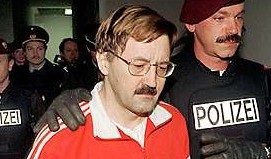
Forensic & Criminological Matrix
| Parameter | Forensic Detail |
|---|---|
| Forensic Heading / Aliases | None |
| Legal Identity | Udo Proksch |
| Confirmed Victims | 6 |
| Attributed / Indicted Victims | 6 |
| Active Timeline | 1977-1989 |
| Jurisdiction / Area of Operations | Indian Ocean / Austria |
| Criminological Classification | Mass murderer / White-collar criminal |
| Forensic Modus Operandi | Sabotage via time bomb |
| Weapon / Mechanism of Death | High-grade explosives |
| Motive / Behavioral Dynamics | Insurance fraud and political manipulation |
| Judicial Outcome | Life imprisonment (died in custody) |
1. Background and Profile
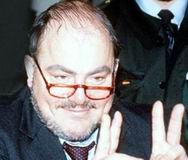
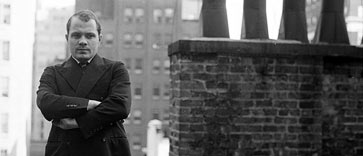
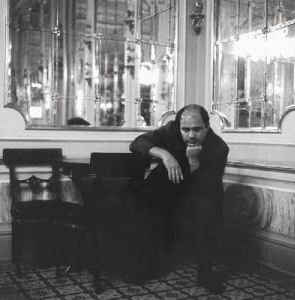
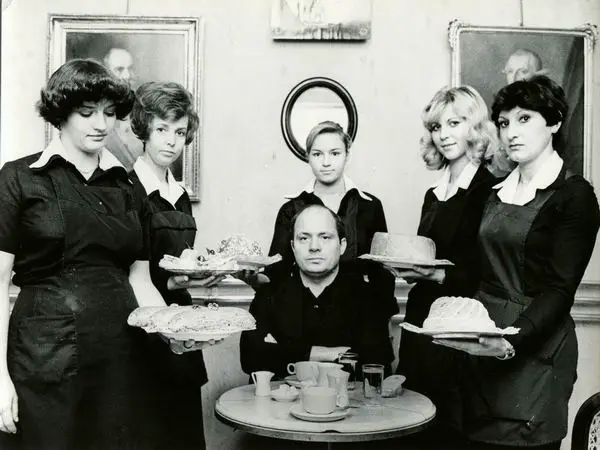
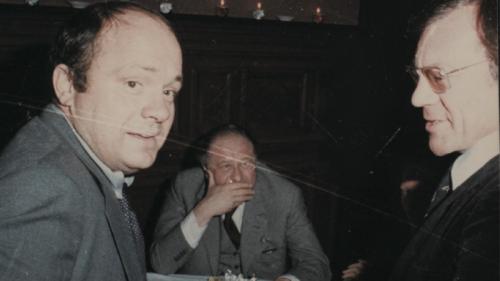
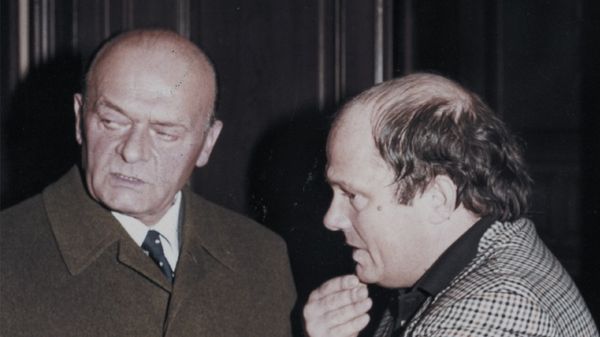
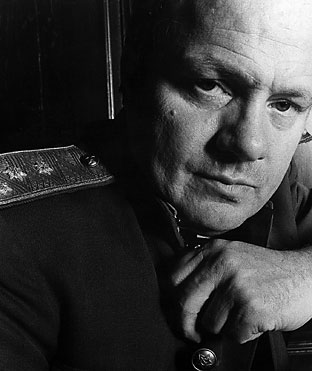
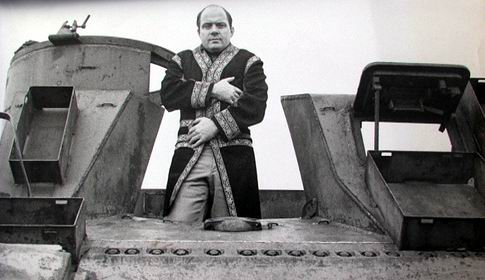
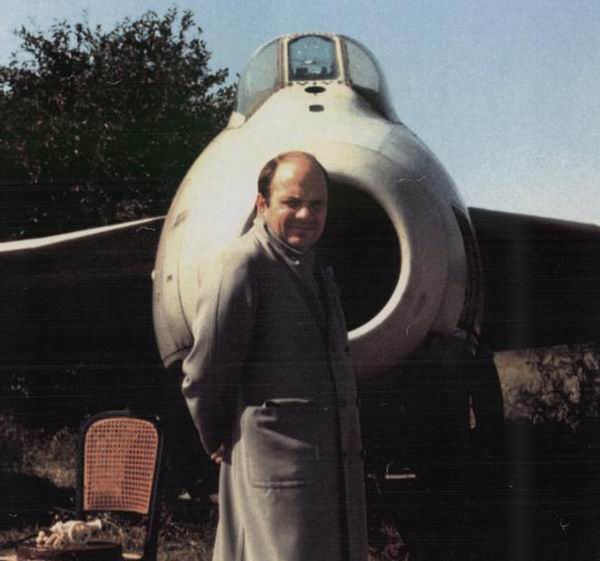
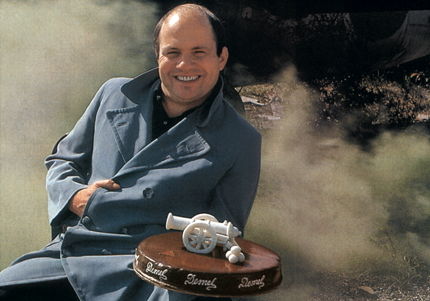
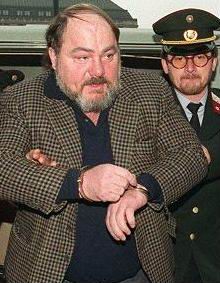
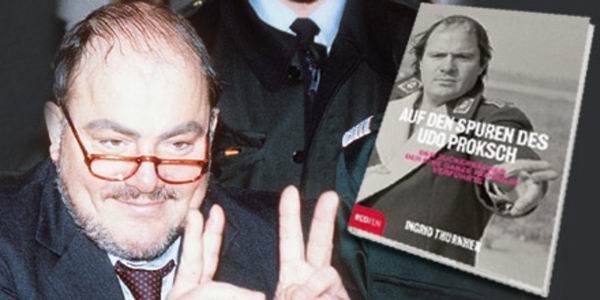
Udo Proksch (1934-2001) was an Austrian businessman and industrialist known for his manipulative and egocentric nature. His formative years at the NAPOLA, a training school for SS officers, instilled in him a lifelong obsession with power and military tactics. He became a prominent figure in Vienna, owning the Demel confectionery and establishing 'Club 45', a networking hub for influential politicians and industrialists.
2. Crime Spree
On January 23, 1977, the freighter Lucona sank in the Indian Ocean following an explosion, killing six crew members. Proksch, the cargo owner, filed a $20 million insurance claim, falsely asserting that the vessel carried expensive uranium mining equipment. Forensic investigations later proved the cargo was fraudulent and that the ship had been sabotaged with a time bomb.
3. Investigation and Arrest
For years, investigations were stifled by Proksch's political influence. The case was eventually cracked through the investigative journalism of Hans Pretterebner and the discovery of the wreck by David Mearns. The scandal implicated several government ministers, including the Minister of Defense, who provided the explosives and later committed suicide.
4. Legal Proceedings and Outcome
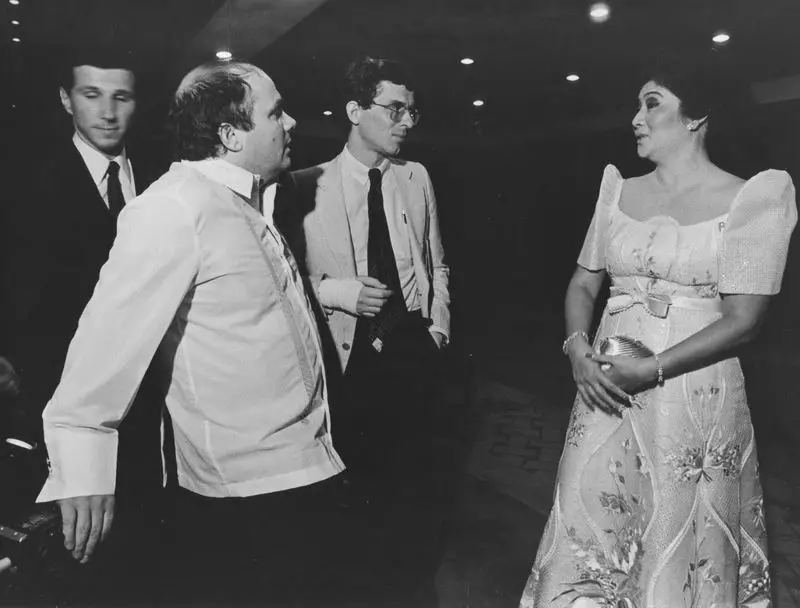
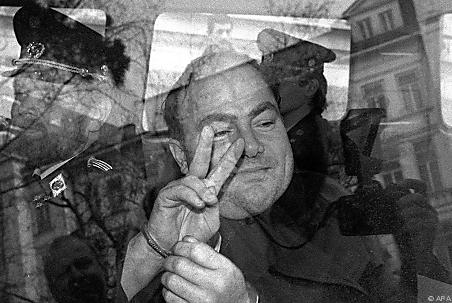
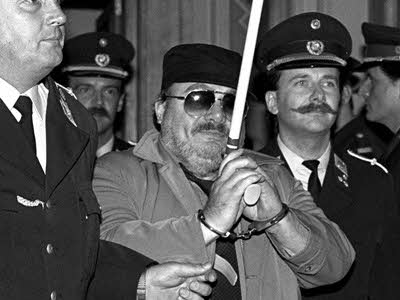
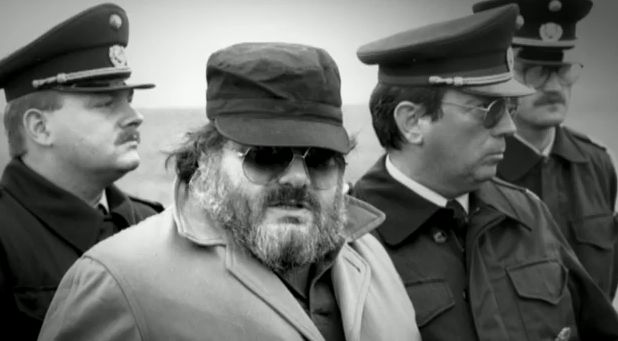
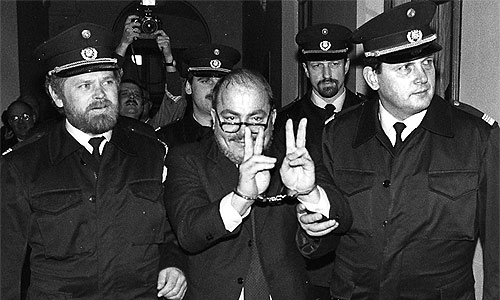
Proksch fled to the Philippines in 1988, finding refuge with dictator Ferdinand Marcos. He returned to Vienna in 1989, where he was identified and arrested. In 1991, he was sentenced to 20 years in prison, which was increased to a life sentence in 1992 following a landmark trial.
5. Psychiatric Assessment and Death
Proksch died on June 27, 2001, at the prison hospital in Graz during heart surgery. His legacy remains a subject of intense academic and media scrutiny regarding the corruption of the Austrian political system during the late 20th century.