




Forensic & Criminological Matrix
| Parameter | Forensic Detail |
|---|---|
| Forensic Heading / Aliases | None recorded |
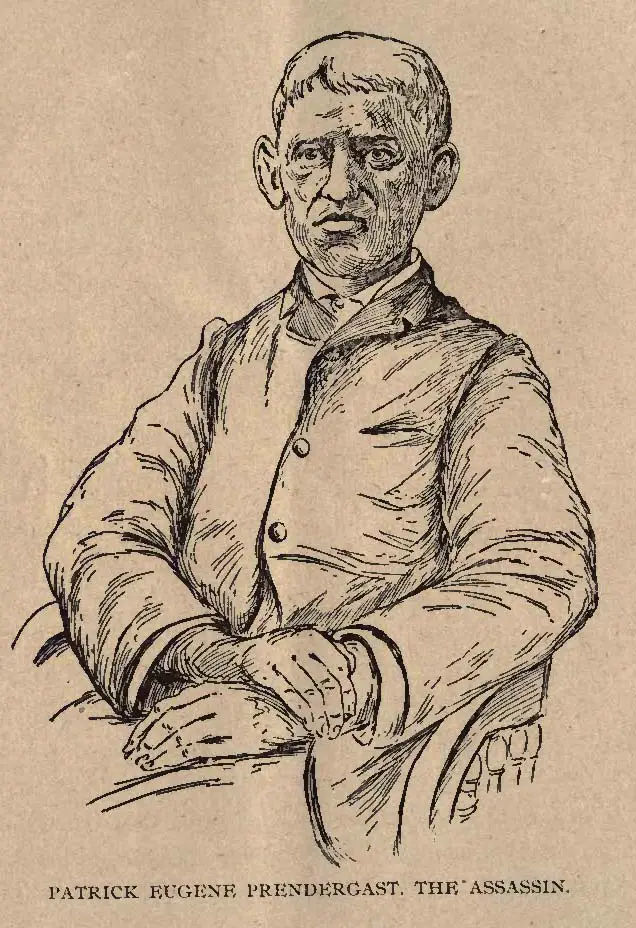
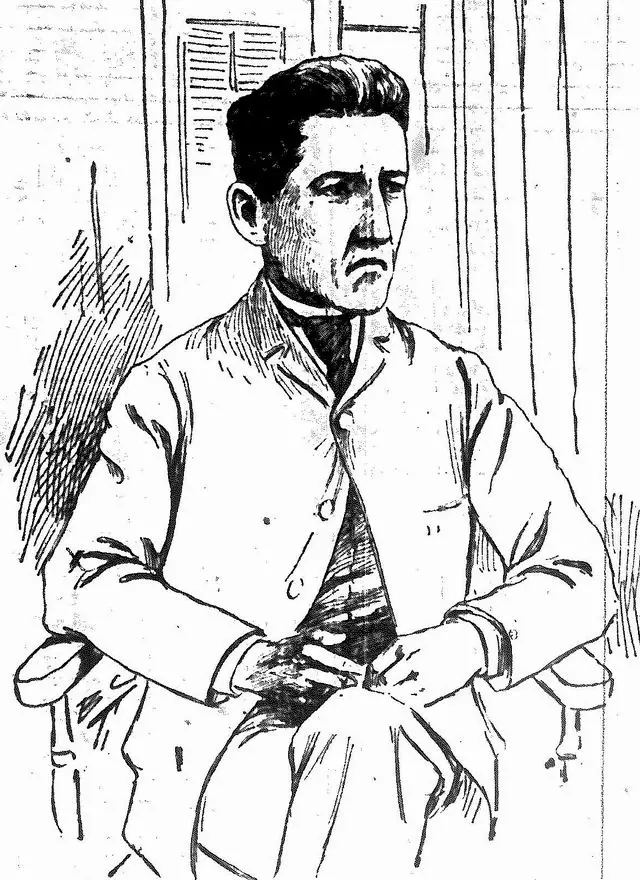
| Legal Identity | Patrick Eugene Joseph Prendergast |
| Confirmed Victims | 1 |
| Attributed / Indicted Victims | 1 |
| Active Timeline | October 28, 1893 |
| Jurisdiction / Area of Operations | Chicago, Illinois, USA |
| Criminological Classification | Delusional assassin motivated by political fanaticism |
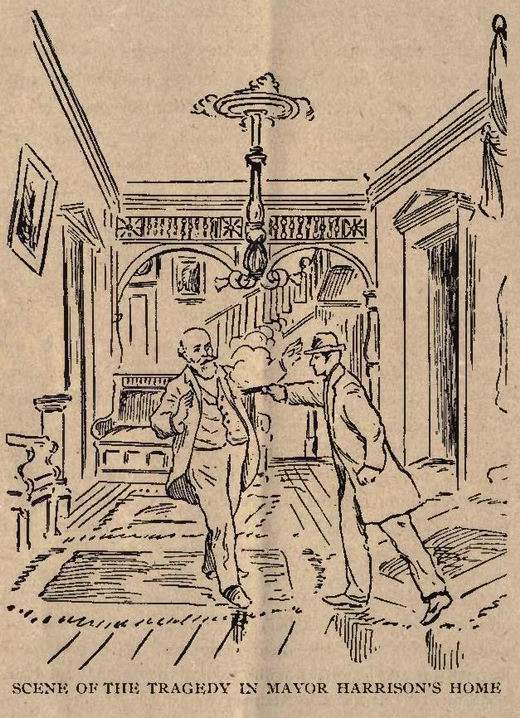
| Forensic Modus Operandi | Home invasion and execution via firearm |
| Weapon / Mechanism of Death | .38 caliber revolver |
| Motive / Behavioral Dynamics | Paranoid delusion, political ambition, and resentment |
| Judicial Outcome | Executed by hanging |
1. Background and Profile
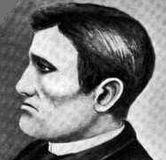
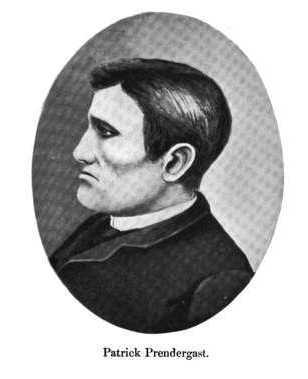
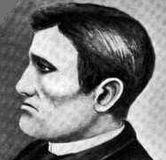
Patrick Eugene Joseph Prendergast was born in Ireland on April 18, 1868. His family history was marked by mental health issues, including a grandfather who died insane and a mother prone to hysterical episodes. At age four, Prendergast suffered a severe head injury from a fall, resulting in a prolonged loss of consciousness and four weeks of persistent vomiting. He was characterized as a solitary, irritable child with poor academic performance. By age 16, he left home due to delusions of persecution, and by 18, he had developed grandiose ideas and became a fervent supporter of Henry George's single-tax theory.
2. Crime Spree
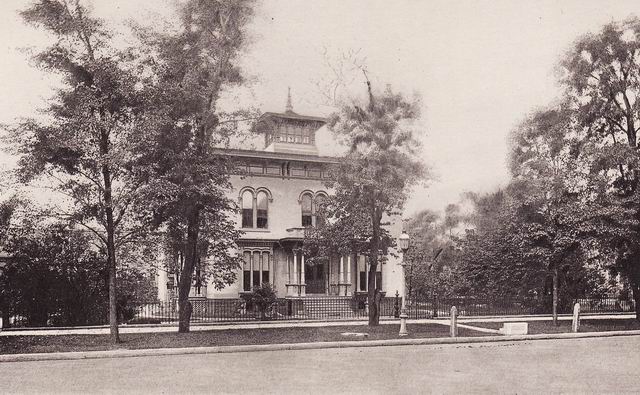
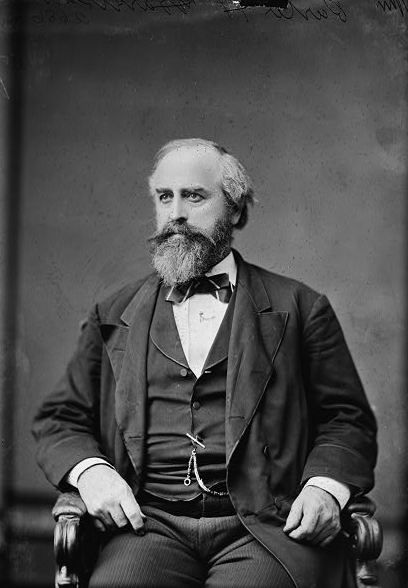
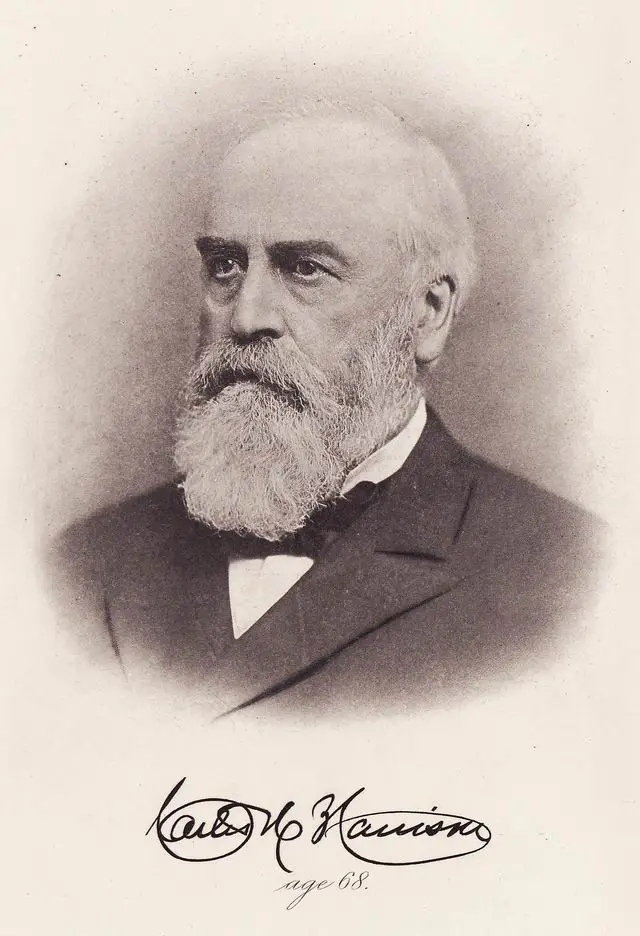
Working as a newspaper distributor in Chicago, Prendergast lobbied for railroad crossing safety. During the 1893 mayoral campaign, he supported Carter Harrison Sr., laboring under the delusion that he would be rewarded with the position of Corporation Counsel. When the appointment failed to materialize, Prendergast visited Harrison's home on October 28, 1893. After being admitted by a maid, he confronted the mayor and fired three shots from a .38 revolver. He then fled, firing at a coachman before surrendering at the Des Plaines Street police station.
3. Investigation and Arrest
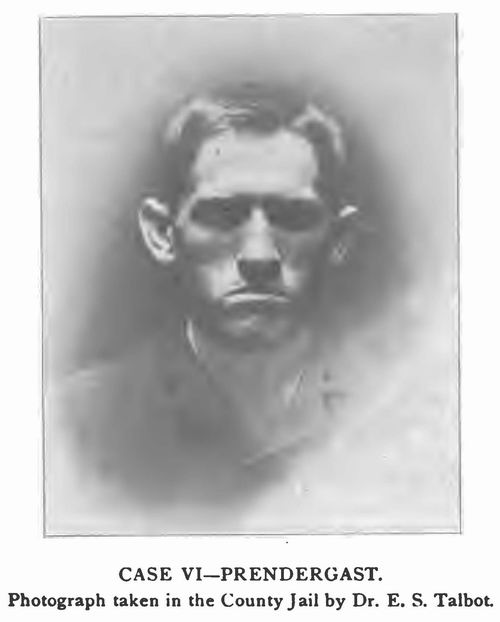
Prendergast surrendered within 30 minutes of the shooting, still in possession of the murder weapon. During police interviews, he provided inconsistent motives, ranging from the failed political appointment to the mayor's failure to address railroad safety. The physical evidence, including the smell of burned powder and the empty chambers of the revolver, solidified the case against him.
4. Legal Proceedings and Outcome
Prendergast's trial focused heavily on his mental state. His defense team, including Clarence Darrow, argued for insanity. However, medical experts testified that while Prendergast was paranoid, he possessed the legal capacity to understand his actions and distinguish right from wrong. Following the failure of his sanity hearings, he was sentenced to death.
5. Psychiatric Evaluation and Final Disposition
Patrick Prendergast was executed by hanging on July 14, 1894, in Chicago. His case remains a significant historical study of the intersection between severe mental illness and political violence.