Forensic & Criminological Matrix
| Parameter | Forensic Detail |
|---|---|
| Forensic Heading / Aliases | None |
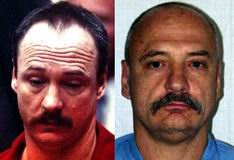
| Legal Identity | Stephen Elliot Powers |
| Confirmed Victims | 1 |
| Attributed / Indicted Victims | 1 |
| Active Timeline | June 14, 1998 |
| Jurisdiction / Area of Operations | Forrest County, Mississippi, USA |
| Criminological Classification | Murderer (Capital Murder) |
| Forensic Modus Operandi | Use of a .22 caliber firearm at close range and post-mortem body positioning |
| Weapon / Mechanism of Death | .22 caliber handgun |
| Motive / Behavioral Dynamics | Attempted rape and homicide |
| Judicial Outcome | Death sentence (2000), upheld by Mississippi Supreme Court (2003) |
1. Background and Psychopathy
Stephen Elliot Powers was born on May 15, 1969. His criminal history prior to the 1998 murder of Elizabeth Lafferty is not extensively documented in public records, but the nature of the crime suggests a high level of predatory aggression.
2. Crime Spree
On June 14, 1998, Elizabeth Lafferty was killed in her home. She was shot five times, including three point-blank shots to the back of her head. The crime scene was characterized by the victim's body being left in a sexually explicit position, which served as the basis for the capital murder charge involving attempted rape.
3. Investigation and Arrest
Police identified Powers as the last person seen with the victim. Upon searching his residence, they recovered the .22 caliber murder weapon. Powers provided a written statement admitting to the shooting but claiming it occurred during a struggle, while denying any sexual assault. Forensic evidence, however, strongly supported the prosecution's theory of attempted rape.
4. Legal Proceedings and Outcome
Powers was convicted of capital murder in 2000 in Forrest County. His appeals, which challenged the sufficiency of the evidence regarding the attempted rape charge and the effectiveness of his trial counsel, were rejected by the Mississippi Supreme Court in 2003. The case was subsequently reviewed by the U.S. Supreme Court in 2005.