Forensic & Criminological Matrix
| Parameter | Forensic Detail |
|---|---|
| Forensic Heading / Aliases | null |
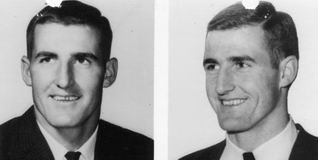
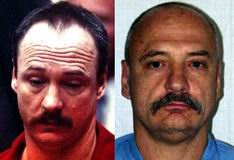
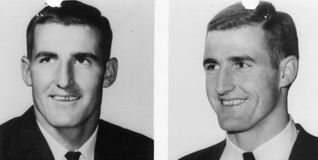
| Legal Identity | Duane Earl Pope |
| Confirmed Victims | 3 |
| Attributed / Indicted Victims | 4 (including one survivor) |
| Active Timeline | June 4, 1965 |
| Jurisdiction / Area of Operations | Big Springs, Nebraska, USA |
| Criminological Classification | Mass murderer / Bank robber |
| Forensic Modus Operandi | Execution-style shooting following armed robbery |
| Weapon / Mechanism of Death | Ruger .38 pistol with homemade silencer |
| Motive / Behavioral Dynamics | Financial need and personal ambition |
| Judicial Outcome | Life imprisonment (commuted from death sentence) |
1. Background and Psychopathy
Duane Earl Pope was born in 1943 and raised on a farm near Roxbury, Kansas. He was an athletic student who graduated from McPherson College in 1965. His background was marked by a fascination with firearms and heavy machinery, which he utilized to prepare for his criminal activities by constructing silencers and body armor in college workshops.
2. Crime Spree
On June 4, 1965, Pope robbed the Farmers State Bank in Big Springs, Nebraska. He forced four employees to lie on the floor and shot them in the back and neck. Three victims died instantly, while one survived with permanent paralysis.
3. Investigation and Arrest
Following the robbery, Pope fled across the country. After being placed on the FBI's 10 Most Wanted list, he surrendered to authorities in Kansas City on June 11, 1965, following a public appeal from his college president.
4. Legal Proceedings and Outcome
Pope was convicted and sentenced to death in 1965 and 1970. In 1972, his sentence was commuted to life imprisonment by the U.S. Supreme Court following the Furman v. Georgia ruling.
5. Psychiatric Evaluation and Status
Defense experts argued Pope suffered from schizophrenia, while prosecution experts emphasized his calculated planning. He remains incarcerated in the federal prison system.