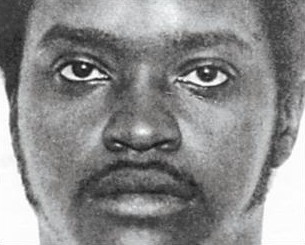
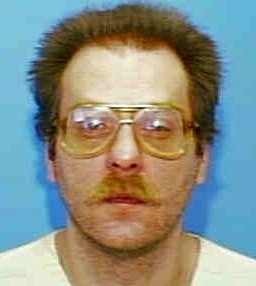
Forensic & Criminological Matrix
| Parameter | Forensic Detail |
|---|---|
| Forensic Heading / Aliases | None |
| Legal Identity | John Plath |
| Confirmed Victims | 1 |
| Attributed / Indicted Victims | 1 |
| Active Timeline | 1978 |
| Jurisdiction / Area of Operations | Beaufort County, South Carolina |
| Criminological Classification | Sadistic Murderer / Co-perpetrator |
| Forensic Modus Operandi | Torture, sexual humiliation, and strangulation |
| Weapon / Mechanism of Death | Leather belt, rubber hose, knife |
| Motive / Behavioral Dynamics | Sadistic violence and sexual assault |
| Judicial Outcome | Death penalty (Executed 1998) |
1. Background and Profile
John Plath was an American criminal whose activity culminated in a brutal 1978 homicide. His background and mental state were extensively reviewed during years of habeas corpus litigation, revealing a history of instability. Plath acted in concert with a co-defendant, and both were convicted for the murder of a woman in Beaufort County.
2. Crime Spree
The crime, committed on April 12, 1978, was marked by extreme cruelty. According to trial records, Plath and his accomplice forced the victim to undress and perform sexual acts under duress. Acts of torture included beating the victim with a leather belt, dragging her by the neck, urinating in her mouth, strangling her with a rubber hose, and stabbing her.
3. Investigation and Arrest
The investigation relied heavily on the testimony of Cindy Sheets, the State's primary witness. Despite defense efforts to impeach her credibility, her testimony was deemed central and reliable by the courts. Plath's defense unsuccessfully argued that the crime site was outside South Carolina's jurisdiction, claiming it occurred in "The Territorial Sea."
4. Legal Proceedings and Outcome
Plath was sentenced to death following a lengthy legal process. During his appeals, he challenged the constitutionality of jury instructions regarding "implied malice" and claimed ineffective assistance of counsel. All appeals were denied, with courts finding that the evidence of malice was overwhelming and that his procedural claims were meritless. He was executed in 1998.